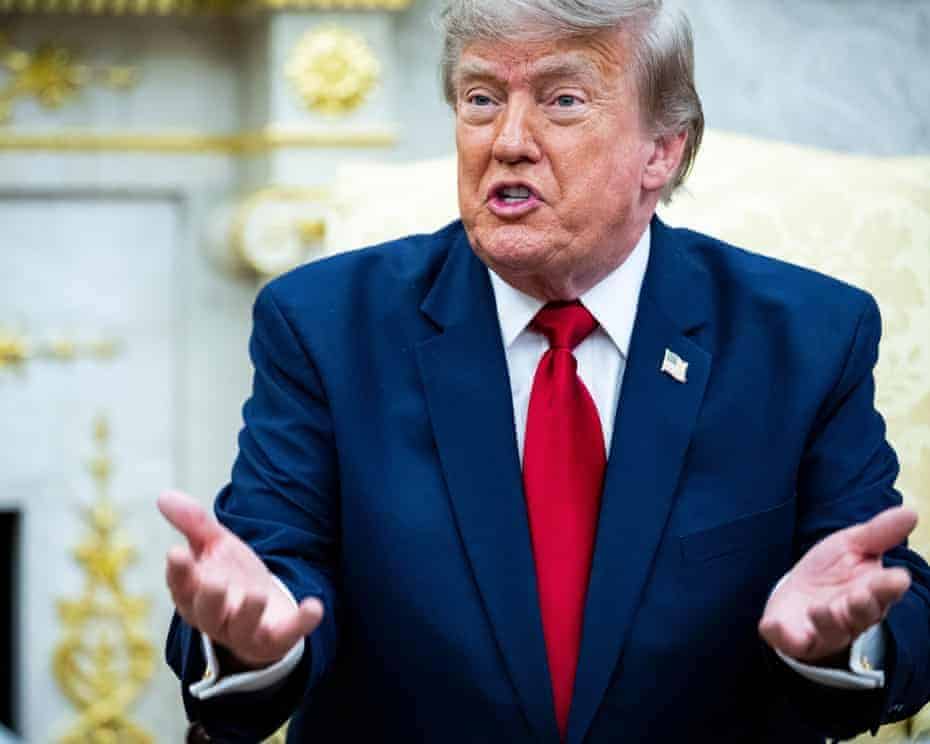
Abbas Araghchi describes Khamenei attack in chilling detail, recounting how he was pulled from rubble after a US-Israeli strike killed Supreme Leader Ali Khamenei on the first day of the war. The foreign minister says he has since survived by constantly moving around Tehran.
In an interview with Iranian journalist Javad Mogouyi published online on Sunday, Araghchi confirmed Israel and the US had precise intelligence on senior Iranian officials. The strike, he said, was designed to decapitate the regime but failed to paralyse it.
“Sixty Seconds, That’s All It Took”
The attack began shortly after 9am. Senior officials had gathered for meetings at the ministry of intelligence, the strategic council on foreign policy, and the defence council.
Araghchi was reporting to Khamenei’s deputy chief of staff, Ali Asghar Hijazi, when the building shook.
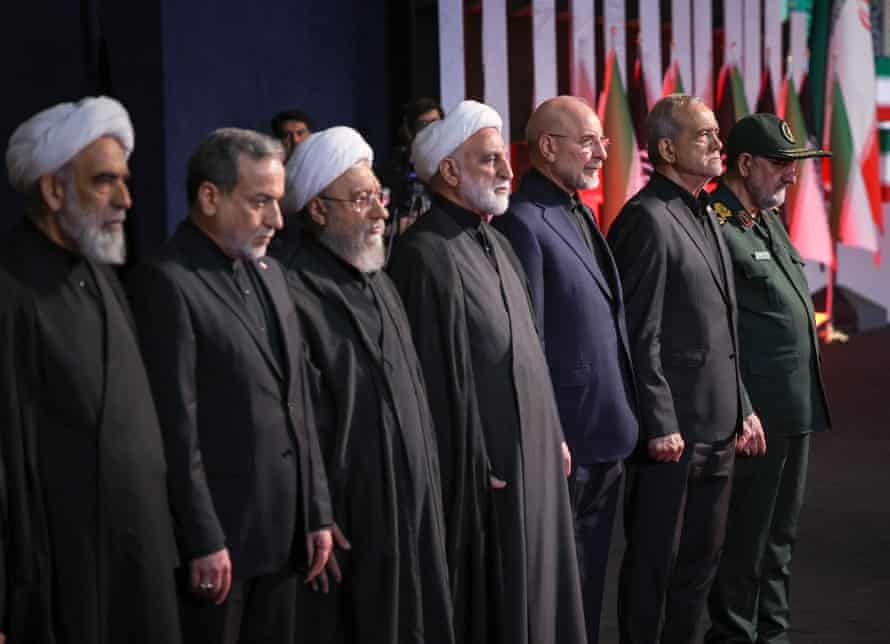
“The third explosion was almost next to our building. The section where Mr Hijazi’s office was located was directly hit, and the left side of the building was completely destroyed.”
Hijazi’s secretary was killed instantly. Araghchi and Hijazi were on the other side.
“The ceiling, walls, and everything collapsed on us. I grabbed Mr Hijazi’s hand, and we made our way through the beams and boards and pieces of wood, hearing the cries for help. Water was pouring from the ceiling. Everything was wrecked.”
A passerby drove Araghchi to the foreign ministry because his official car had been hit. For three days, he said, leadership was “cut off from everything trying to find out who was alive and who had been martyred.”
Intelligence Breach And Security Gaps
“This May Point To A Security Gap”
Araghchi said the timing proved Israel knew about the meetings.
“What matters, in my view, is the fact that Israel had intelligence about these meetings. This may point to a security gap that probably still exists. This needs to be fixed.”
The strikes targeted the top tier in one coordinated wave. The US and Israel believed removing Khamenei would trigger collapse. It didn’t.
Araghchi confirmed Iran had anticipated such a scenario. The plan to close the Strait of Hormuz was already codified as “Code 110” — a reference to the constitutional clause on the supreme leader’s powers.
“The enemy thought they could paralyse us by targeting leadership, but they failed.”
Diplomacy That Came Too Late
Before the war restarted 10 days ago, Araghchi said Iran tried one last diplomatic push. In Geneva, Tehran offered the US a deal on its nuclear programme.
He was skeptical.
“I had always doubted that negotiations with the US earlier this year would work, but said they had been necessary, even if there was only a 10% chance of success — not least to ensure there was no room for doubt that Iran had pursued diplomacy. ‘No one would be able to tell us that it was our fault,’ he said.”
The next day, Oman’s foreign minister Badr Albusaidi told him Washington’s mood had turned “more bellicose.” Hours later, the bombs fell.
Araghchi said the US calculated Iran was weak. Proxies in Syria and Lebanon had been hit. Economic protests at home had surprised even Tehran. Washington, he argued, mistook pressure for vulnerability.
Warnings To The Region And New Deterrence
Araghchi told Mogouyi that Iran warned neighbours early: retaliation would not be limited to Israel.
“If Israel hits our nuclear facilities, we will hit theirs. Our missiles do not reach America, so we will hit their bases, which are unfortunately in your countries. If they hit our oil facilities, we will ensure that nobody in the region can sell oil.”
He said Turkey helped block one US plan. Washington, according to Araghchi, wanted to spark a Kurdish revolt from Iraq into Iran.
“Turkey’s foreign minister, Hakan Fidan, talked to the Americans and adopted a very firm position in this regard. A series of efforts foiled this plot.”
On Israel, he was blunt about strategy.
“There are sometimes conflicts of objectives and positions which can be played with.”
Translation: Tehran will exploit any daylight between Washington and Jerusalem.
Military Adaptation After 2025
Araghchi said the 12-day Israeli bombing campaign in 2025 forced upgrades. Iran cut missile base reactivation time from “10–15 hours to 35–40 minutes.”
That speed matters in a war where the first hour decides who keeps command and control. Faster reloads mean more saturation, and more pressure on Israeli and US air defenses.
He also addressed the new leadership. Khamenei’s son Mojtaba has taken over. Araghchi said he hasn’t met him yet, but the succession sends a signal.
“A very important message to the world that there would be no change in the regime’s policies and ideals.”
Why The US And Israel Struck
According to Araghchi, Washington believed Iran’s regional network was broken and its domestic base was cracking. The strike was meant to be clinical and final.

Regional governments disagreed. He said they told Donald Trump that Iran was not Venezuela.
“Iran is different. Its support is a several-thousand-year civilisation, combined with Shia thought and beliefs about martyrdom. When these combine, they create something that cannot be easily defeated.”
The reference to the 2025 US raid to abduct Nicolás Maduro was deliberate. Trump’s team, Araghchi implied, thought decapitation works everywhere. In Iran, he argued, it hardens resolve.
The Choice: Fight Or Fold
On the decision to go to war, Araghchi offered a cold equation.
“We do not fight unless the cost of not fighting is higher than the cost of fighting.”
That logic explains Tehran’s response. After losing Khamenei, Iran launched retaliatory missile salvos, targeted regional bases, and threatened oil flows.
The goal is not victory in a week. It is to raise the cost so high that the US and Israel reconsider escalation.
What Happens Next
Tehran is rebuilding fast. Leadership is dispersed. Communications are hardened. Araghchi himself moves by car, changing locations to avoid tracking.
Read also: Zelenskyy fires Ukraine Army Chief, shakes up military leadership
Diplomacy is not dead, but trust is. He said Iran offered a deal and got bombs. That narrative will shape how other states approach talks with Washington.
For Israel, the intelligence success is real but incomplete. Killing Khamenei did not stop the state. For the US, the gamble is that pain forces capitulation. For Iran, the bet is that resilience outlasts shock.
Abbas Araghchi describes Khamenei attack as both a tragedy and a test. “The defence of the country continues,” he said, echoing a line now common across Tehran. The war is no longer about one man. It is about whether a system built around martyrdom can absorb decapitation and keep fighting.
About The Author