

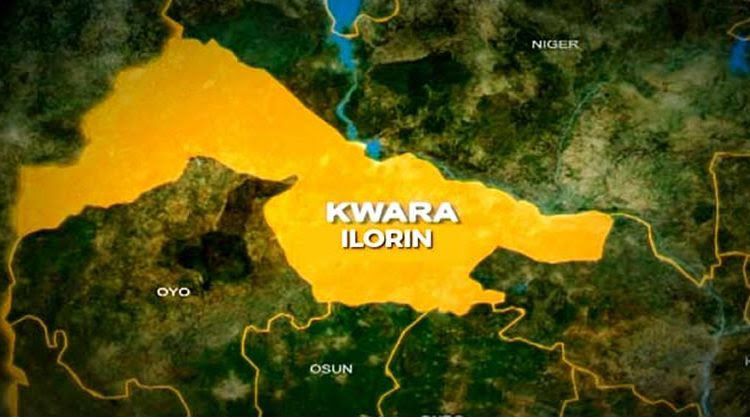
Residents of Baruten Local Government Area in Kwara State have expressed growing fears over their safety following allegations that suspected terrorists are planting explosives along roads used by farmers and other villagers.
The concerns emerged after a deadly explosion in Duruma village reportedly killed a child and left another with a broken leg.
Local sources suspect that the incident may be connected to the refusal of some communities to pay an alleged monthly levy of ₦10 million demanded by an armed group.
The incident, which occurred on Saturday, has heightened anxiety among residents who depend largely on farming for their livelihoods.
With the harvesting season underway, villagers fear that travelling to their farmlands could expose them to further danger.
According to a report by SaharaReporters, the two children were on their way to deliver food to relatives working on a farm when the explosion occurred.
One of the children, who was reportedly walking ahead of the others, stepped on an explosive device believed to have been planted along the route.
The device detonated, killing the child instantly, while the other child sustained a broken leg.
The incident has raised fresh concerns about the safety of rural roads in the affected communities, particularly as farmers continue to move between their homes and farmlands to harvest crops.
Residents link explosion to alleged ₦10m demand
Some residents believe the reported planting of explosives is intended to punish communities that have refused to meet the financial demands allegedly imposed by the armed group.
A resident familiar with the security situation told SaharaReporters that the alleged use of explosives had become a source of concern for people living in the area.
“They are planting explosives on the roads to kill our people because we refused to pay them N10 million every month,” the resident said.
The allegation suggests that the reported financial demand may have contributed to the growing tension between the armed group and the affected communities.
However, the alleged connection between the demand and the explosion has not been independently established.
The circumstances surrounding the incident, including who planted the explosive device, remain unclear from the available account.
Nevertheless, the reported attack has left residents worried about the possibility of further incidents, especially if explosives have been placed along other routes used by farmers and travellers.
Farming activities under threat
The timing of the incident has added to the concerns of residents, as many households in the area rely on the ongoing harvest to sustain themselves and earn an income.
During the harvesting season, farmers frequently travel to their fields to gather crops, while family members sometimes take food and other necessities to relatives working on distant farms.
The explosion in Duruma has reportedly made these routine activities more dangerous, with residents fearing that familiar routes may no longer be safe.
A second source described the situation as increasingly frightening, noting that the risk extended beyond farmers to children and other residents who might unknowingly encounter explosive devices.
“We can no longer feel safe going to our farms. Even children going to deliver food to their parents are now at risk. Nobody knows where the next explosion will happen,” the source said.
The account highlights the wider consequences of insecurity in farming communities, where access to agricultural land is essential for household survival.
If farmers are unable to reach their fields safely, the disruption could affect harvesting, the transportation of produce and the income of families who depend on agriculture.
Residents have therefore expressed concern that continued insecurity could leave them struggling to maintain their livelihoods at a time when they should be gathering the results of their farming activities.
Fear spreads across rural communities
The reported explosion has also intensified fears among residents who use rural roads to travel between settlements and agricultural areas.
The possibility that explosive devices may be hidden along these routes has created uncertainty about the safety of everyday journeys.
Another resident, speaking about the difficulties confronting farmers during the current season, stressed that people had little choice but to continue visiting their farmlands despite the reported danger.
“We are in the harvesting season. Our people have to go to their farms to feed their families, but now even the roads are no longer safe,” the source added.
For many households, avoiding farmlands altogether may not be a practical option because crops provide both food and a source of income.
However, continuing to use potentially dangerous routes could expose farmers, children and other civilians to further harm.
The situation has consequently raised questions about the protection available to rural residents and the measures required to prevent additional casualties.
Calls for urgent security intervention
Residents fear that failure to address the reported threat could result in further incidents, particularly if explosive devices remain undiscovered along roads and pathways.
They want the security situation in the affected communities addressed to enable farmers and other villagers to move around without fear.
The reported incident also underscores the dangers civilians face when armed groups allegedly impose financial demands on communities and tensions escalate.
For residents of Duruma and neighbouring areas, the immediate concern is the possibility of another explosion and the need to protect people who must travel to farms for their daily survival.
The death of the child has brought the human cost of the reported insecurity into sharp focus, while the injury suffered by the surviving sibling has further heightened concerns about the vulnerability of children in the affected communities.
Baruten remains the focus of renewed concern following the incident, with residents worried about the safety of rural routes and the future of their farming activities.
Although local sources have linked the alleged planting of explosives to the refusal to pay the reported ₦10 million monthly levy, that claim has not been independently verified.
Further clarification is needed to establish the circumstances surrounding the explosion and determine who was responsible.
For now, residents face the difficult prospect of continuing their farming activities amid fears that the roads they rely on may expose them to further danger.
About The Author
