The debate surrounding US arms sales to Taiwan has intensified after comments from senior American officials sparked fears that the ongoing Iran war could disrupt Washington’s military commitments in Asia.
Yet security analysts and foreign policy experts insist the concerns may be exaggerated, arguing that Taiwan’s long-term defence arrangements operate on timelines far removed from immediate Middle East conflicts.
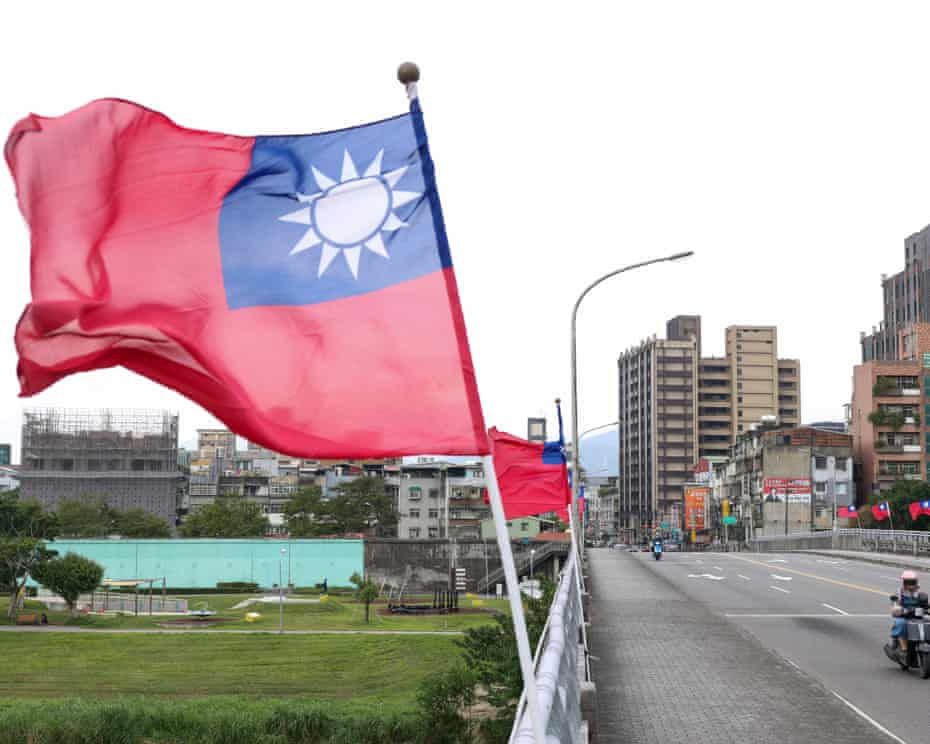
Tensions have been rising steadily across the Indo-Pacific in recent years as China increases military pressure on Taiwan and the United States deepens its strategic backing of the self-governed island.
Against that backdrop, any suggestion of delays in arms deliveries instantly triggers alarm in Taipei, where leaders view American military support as central to Taiwan’s survival.
Recent remarks by acting US navy secretary Hung Cao added fuel to those anxieties after he suggested that some foreign military sales had been paused to ensure Washington retained enough munitions for its military campaign against Iran. His comments quickly ignited speculation that Taiwan could be paying the geopolitical price for another expanding US conflict overseas.
However, defence experts argue that the reality is far more complicated.
Why Experts Reject the Iran War Explanation
Several analysts believe linking the Iran war directly to US arms sales to Taiwan oversimplifies how military procurement works inside Washington.
According to reporting by theguardian.uk, experts noted that most weapons packages approved for Taiwan require years of bureaucratic processing, manufacturing and logistical planning before any equipment is delivered.
Rupert Hammond-Chambers, president of the US-Taiwan Business Council, dismissed the explanation outright.
“There is a very, very low likelihood that there is any true connection between events in Iran and weapons delivery to Taiwan,” he said.
He explained that even if Donald Trump approves the latest arms package immediately, the weapons may not arrive in Taiwan until the next decade because contracts, production schedules and delivery pipelines move slowly.
That reality significantly weakens the argument that battlefield demands in the Gulf are directly draining Taiwan’s future supply lines.
The Long Timeline Behind Taiwan Weapons Deals
Military agreements involving Taiwan rarely function like emergency wartime transfers. Instead, they are structured as multi-year procurement programmes involving congressional review, defence contractors and export authorisations.
Experts say this distinction is critical.
While the US military may indeed be consuming more missiles and ammunition during operations against Iran, the weapons included in Taiwan’s proposed packages often belong to future production batches not yet manufactured.
Peter Mattis, president of the Jamestown Foundation, argued that confusion over the process may have contributed to the controversy.
“Whatever has been said is somebody misspeaking and not necessarily understanding the technical details of how US arms sales work,” Mattis explained.
That assessment has reassured many observers in Taiwan who feared Washington’s focus on the Middle East might weaken deterrence against China.
Trump Taiwan Policy Faces Fresh Scrutiny
Although experts reject a direct Iran connection, concerns surrounding Trump Taiwan policy continue to grow.
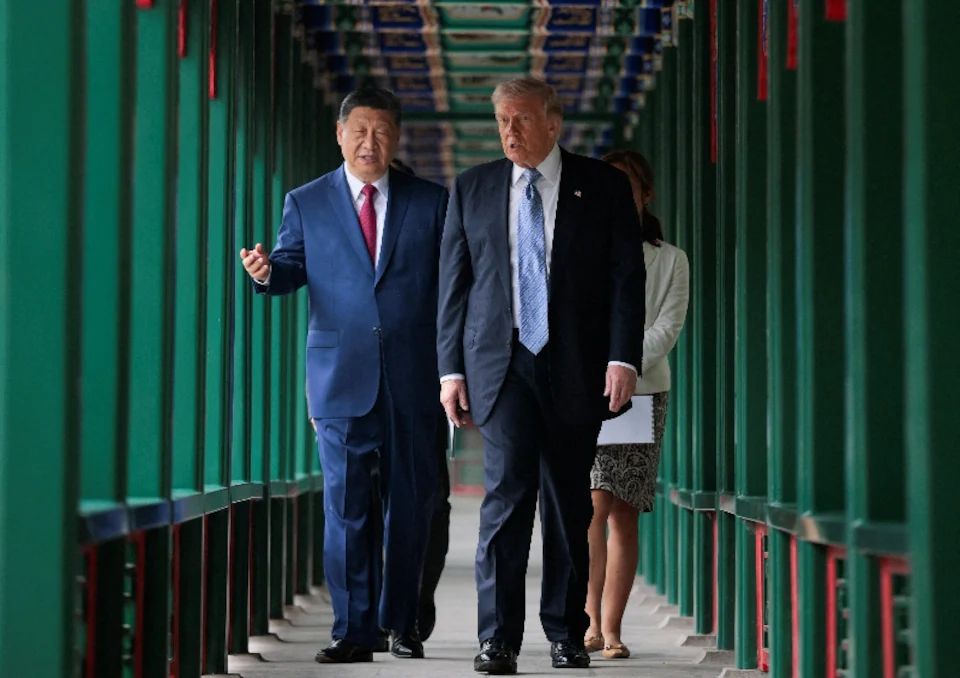
Donald Trump has repeatedly unsettled diplomats with unpredictable remarks about Taiwan and China. Earlier this month, he suggested that arms sales to Taiwan could become a “negotiating chip” during future talks with Chinese president Xi Jinping.
That statement alarmed policymakers in Taipei and Washington alike because US support for Taiwan has traditionally been handled separately from broader negotiations with Beijing.
Analysts fear that introducing Taiwan into trade or diplomatic bargaining risks undermining decades of carefully managed strategic ambiguity.
Taiwan’s Strategic Importance to Washington
Taiwan occupies a vital position in US security calculations across the Indo-Pacific region. Beyond democratic values, the island also plays a major economic role due to its dominance in semiconductor manufacturing.
Any weakening of Taiwan’s defence capabilities could reshape the balance of power across Asia.
For that reason, experts believe Washington ultimately cannot afford to significantly scale back military support.
A senior Asia policy researcher based in Tokyo described Taiwan as “the frontline of regional deterrence.”
“If Taiwan appears abandoned or weakened, allies across Asia begin questioning the credibility of American commitments,” the analyst said.
That concern extends beyond Taiwan itself. Nations such as Japan, South Korea and the Philippines closely monitor US policy signals toward Taipei as indicators of broader American reliability.
China Taiwan Tensions Continue to Escalate
The controversy surrounding China Taiwan tensions comes at a time of increasing military pressure from Beijing.
Chinese aircraft and naval vessels have dramatically increased operations near Taiwan over the past several years. Beijing insists the island is part of China and has never ruled out the use of force to achieve reunification.
Chinese officials also strongly oppose all forms of American military assistance to Taiwan.
During recent meetings with Trump, Xi Jinping reportedly emphasised that Taiwan remains the most sensitive issue in US-China relations.
That warning reflects Beijing’s growing frustration with expanding American support for Taipei.
Taiwan’s Growing Defence Urgency
Inside Taiwan, leaders are accelerating defence reforms amid fears that the island may eventually face military coercion or blockade attempts from China.
Taipei has prioritised missile defence systems, naval modernisation, drone warfare capabilities, civil defence preparedness and cybersecurity resilience as it attempts to strengthen deterrence against Beijing.
The latest proposed Taiwan weapons package reportedly includes advanced missile systems and military support equipment intended to improve Taiwan’s defensive readiness.
Taiwanese lawmakers have attempted to reassure the public that communication channels with Washington remain active despite recent controversies.
Democratic Progressive party legislator Ngalim Tiunn recently insisted that relations with the United States remain stable.
“Taiwan’s communication channels with the US remain open and smooth,” he stated.
Those comments appear designed to calm fears that political uncertainty in Washington could weaken Taiwan’s strategic position.
The Iran War’s Broader Global Impact
Even if the Iran conflict does not directly delay Taiwanese weapons deliveries, analysts say the war still has indirect consequences for global security priorities.
The expanding conflict has placed enormous strain on US military planning and diplomatic bandwidth.
Washington is now simultaneously managing instability in the Middle East, growing strategic competition with China in Asia and ongoing security concerns linked to Russia’s activities in Europe.
Some experts worry that overlapping geopolitical crises could eventually stretch American resources and military readiness.
America’s Defence Industry Under Pressure
Another growing concern involves production capacity inside the US defence sector.
Years of global instability have dramatically increased demand for missiles, drones, artillery systems and air defence technologies.
Manufacturers are struggling to rapidly expand production lines while fulfilling commitments to multiple allies simultaneously.
That challenge affects not only Taiwan but also Ukraine, Nato members and several Gulf allies depending on US military support.
A defence manufacturing consultant familiar with Pentagon procurement described the situation bluntly.
“The issue isn’t necessarily political willingness. The issue is whether factories can produce enough systems fast enough for every theatre at once.”
This industrial bottleneck may become one of the defining security challenges of the next decade.
What Happens Next for Taiwan?
Much now depends on whether Trump formally approves the pending arms package in the coming weeks.
Experts believe swift approval would ease fears surrounding American commitment to Taiwan.
However, prolonged delays could deepen uncertainty and embolden Beijing diplomatically and militarily.
The timing is especially sensitive because several major diplomatic meetings between Trump and Xi Jinping are expected later this year. Those encounters could shape the trajectory of US-China relations heading into 2027.
Why Taiwan Remains a Global Flashpoint
The Taiwan issue now sits at the intersection of great power competition, semiconductor supply chains, military deterrence, democratic governance and regional alliances.
That complexity explains why even minor comments from US officials generate international headlines.
For Taiwan, perception matters almost as much as military hardware itself. Any appearance of hesitation from Washington risks encouraging Chinese pressure campaigns.
At the same time, experts insist there is still strong bipartisan support inside the United States for maintaining Taiwan’s defence capabilities.
Read also: Teenage rape sentencing review UK to be examined by Court of Appeal after backlash
Despite fears triggered by the Iran conflict, experts overwhelmingly believe US arms sales to Taiwan remain strategically important and unlikely to face major long-term disruption because of Middle East military operations.
While uncertainty surrounding Trump Taiwan policy continues to raise diplomatic questions, analysts argue that Taiwan’s defence relationship with Washington remains too critical to abandon.
The bigger challenge may not be politics alone, but whether America’s defence industry can keep pace with rising global demand amid simultaneous crises stretching from the Middle East to the Indo-Pacific.
For now, Taiwan continues watching Washington carefully, aware that every statement, delay and diplomatic signal could influence the future balance of power across Asia.
About The Author