

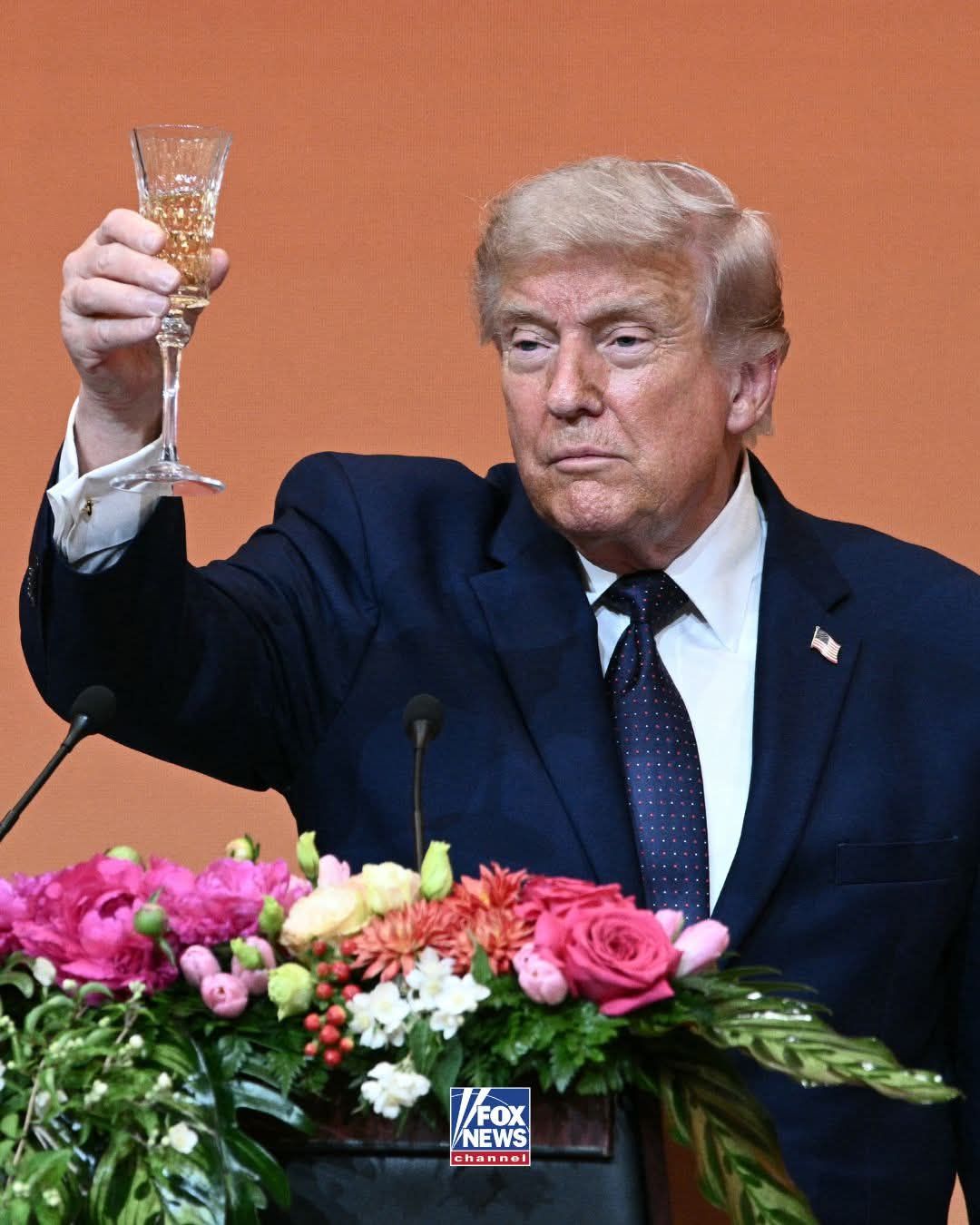
The Trump-Xi China talks resumed in Beijing on Friday as tensions over Taiwan, trade negotiations and global security shaped discussions between the leaders of the world’s two biggest economies. The summit comes at a critical moment for both countries following months of tariff disputes, semiconductor restrictions and growing geopolitical uncertainty.
Donald Trump described Xi Jinping as “all business” ahead of another round of meetings at Zhongnanhai, where both leaders focused on trade cooperation, energy security and diplomatic concerns involving Iran and Taiwan.
“Hopefully our relationship with China will be stronger and better than ever before,” Trump wrote on his Truth Social platform before the latest round of talks.
The Trump China visit is widely regarded as one of the most important diplomatic engagements of the year because relations between the United States and China continue to influence global trade, technology markets and international security.
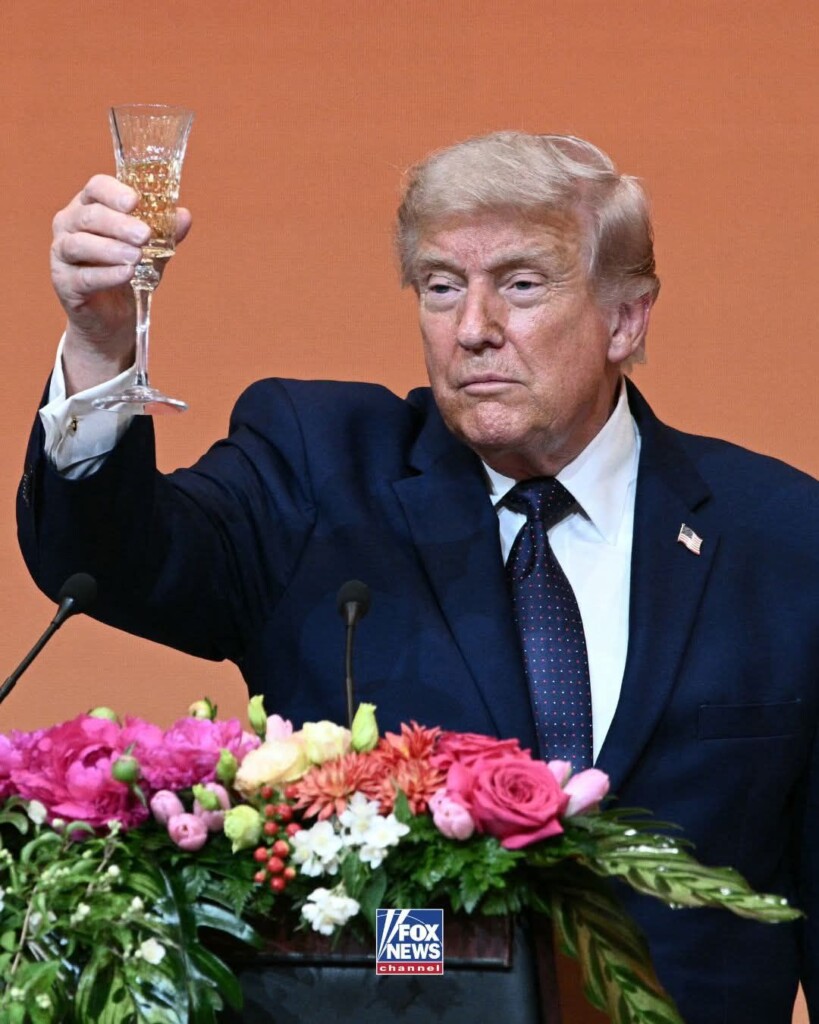
Taiwan Warning Dominates Trump-Xi China Talks
Despite the carefully managed public displays of warmth during the summit, Taiwan emerged as the most sensitive issue discussed by both leaders.
Xi warned that mishandling Taiwan could seriously damage relations between Beijing and Washington, underscoring China’s longstanding position that the self-governed island remains part of its territory.
“The China-U.S. relationship is the most important in the world,” Xi said during a state banquet in Beijing. “We must make it work and never mess it up.”
Rubio Reaffirms American Position on Taiwan
U.S. Secretary of State Marco Rubio said Washington’s policy on Taiwan remains unchanged despite Beijing’s repeated warnings.
“U.S. policy on the issue of Taiwan is unchanged as of today,” Rubio said during an interview with NBC News.
Taiwan Foreign Minister Lin Chia-lung welcomed repeated expressions of American support as tensions across the Taiwan Strait continue drawing international concern.
Taiwan remains one of the world’s most dangerous geopolitical flashpoints because Beijing has refused to rule out military force while the United States continues supporting Taiwan’s defensive capabilities.
US-China Trade Deal Discussions Show Fresh Momentum
Economic cooperation remained central to the Trump-Xi China talks as both governments worked to preserve the fragile trade truce reached after earlier tariff disputes disrupted global markets.
The previous agreement paused triple-digit tariffs imposed during escalating trade tensions and helped stabilize supply chains involving technology, manufacturing and agriculture.
Boeing Jet Order Strengthens Economic Ties
Trump announced that China had agreed to purchase 200 aircraft from Boeing in a deal expected to be worth tens of billions of dollars.
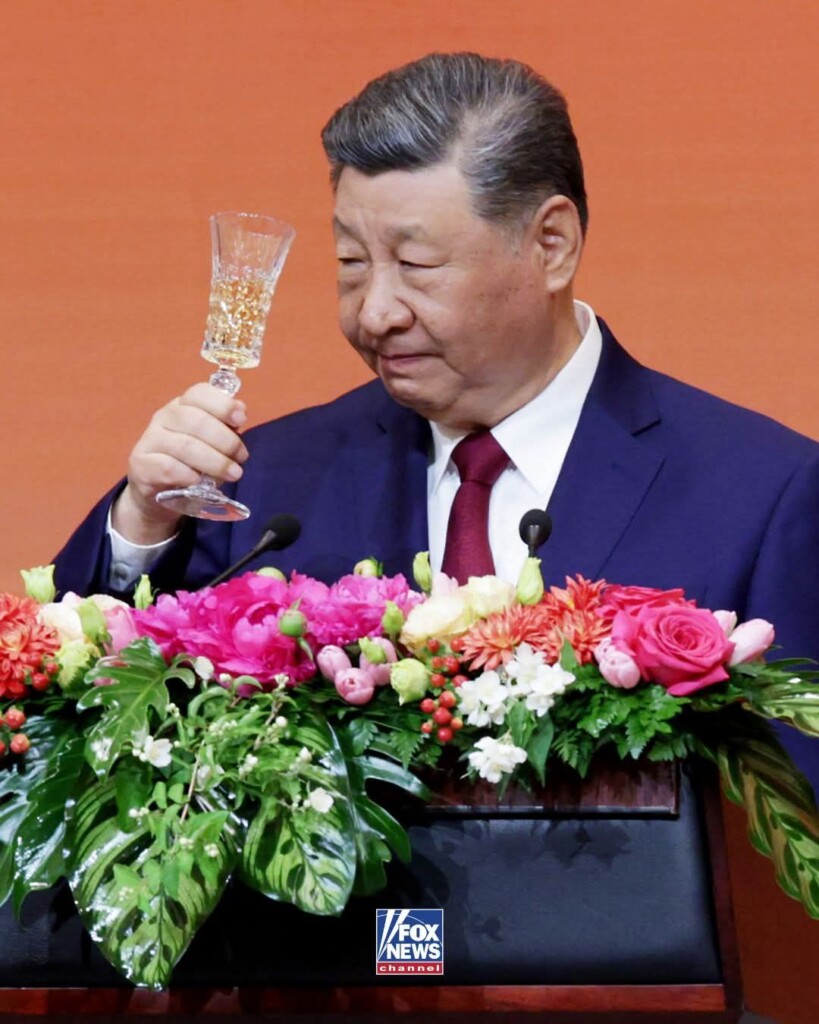
“China has agreed to buy 200 Boeing jets,” Trump said during an interview on Fox News, describing the agreement as a major breakthrough for American manufacturing.
The Boeing jet order represents China’s first major purchase of American-made commercial aircraft in nearly a decade and signals improving business cooperation between both countries.
Trade officials also confirmed progress involving American farm exports, beef purchases and broader mechanisms designed to reduce future economic disputes.
However, financial markets reacted cautiously because earlier expectations had suggested a much larger agreement involving nearly 500 aircraft.
Semiconductor Restrictions Continue to Divide Washington and Beijing
Trade officials confirmed that major disagreements over advanced semiconductor exports remain unresolved despite broader diplomatic progress during the summit.
The restrictions have become central to the growing technological rivalry between the United States and China, particularly in artificial intelligence development.
Nvidia Chip Access Remains Restricted
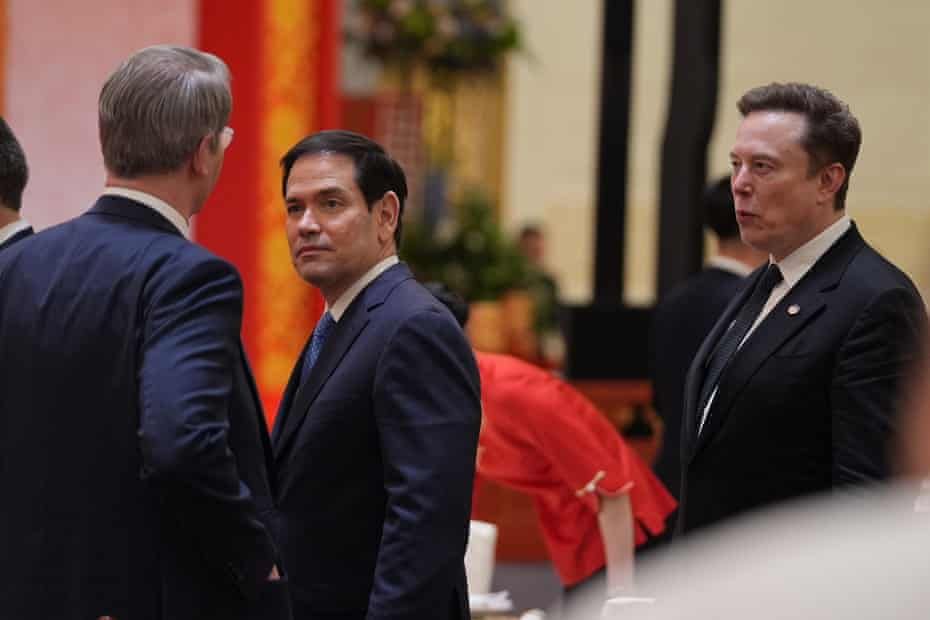
The presence of Nvidia CEO Jensen Huang during the Beijing meetings fueled speculation that Washington could soften restrictions involving advanced AI chips.
However, officials indicated there had been no major breakthrough regarding the sale of high-end semiconductor technology to China.
“Chip export controls were not a major topic during the talks,” U.S. Trade Representative Jamieson Greer said, signaling that Washington remains cautious about easing restrictions.
NVIDIA remains central to the global AI race because its advanced chips power artificial intelligence systems, data centers and strategic technologies.
Iran Crisis and Oil Security Enter Summit Discussions
The Trump-Xi China talks also focused heavily on instability in the Middle East and the future of the Strait of Hormuz, one of the world’s most strategically important oil shipping routes.
Nearly one-fifth of global oil and liquefied natural gas supplies pass through the narrow waterway, making disruptions a serious threat to global energy markets.
Trump said Xi expressed willingness to support diplomatic efforts involving Iran as Washington seeks to reduce tensions affecting oil prices and economic stability.
“President Xi would like to see a deal made,” Trump said during the Fox News interview. “And he did offer. He said, ‘If I can be of any help at all, I would like to be of help.’”
China also reportedly expressed interest in increasing purchases of American oil as part of broader discussions aimed at reducing dependence on Middle Eastern energy supplies.
Jimmy Lai Case Raised During High-Level Meetings
The issue of jailed Hong Kong media figure Jimmy Lai was also raised during discussions between American and Chinese officials.
Rubio confirmed Trump discussed Lai’s imprisonment directly with Xi during the summit.
“The president always raises that case and a couple others,” Rubio said. “We’d be open to any arrangement that would work for them, as long as he’s given his freedom.”
Chinese authorities have consistently maintained that matters involving Hong Kong are internal affairs and should not be influenced by foreign governments.
Read also: Israel threatens New York Times lawsuit over Palestinian abuse report
The Trump-Xi China talks demonstrated both the importance and fragility of relations between Washington and Beijing at a time of rising global uncertainty.
While progress on trade cooperation, Boeing aircraft purchases and diplomatic engagement offered signs of stability, tensions involving Taiwan, semiconductor restrictions and global security continue to pose serious challenges for both superpowers.
The outcome of the Beijing summit is expected to shape international trade, technology competition and geopolitical relations well beyond 2026.
About The Author
