

Elon Musk merges SpaceX with artificial intelligence company xAI in a bold consolidation that reshapes his expanding business empire and accelerates ambitions linking space infrastructure with advanced artificial intelligence systems.
The merger unites Musk’s aerospace giant with his fast-growing AI venture as SpaceX prepares for a highly anticipated public listing expected later in the year.
Both companies confirmed the deal in a joint announcement describing the union as a vertically integrated technology platform operating both on Earth and beyond.
Executives said the SpaceX xAI merger brings together rockets, satellites, AI software, communications networks, and real-time data systems under a single corporate structure.
The announcement framed the deal as essential to solving the immense power demands required to scale next-generation artificial intelligence technologies globally.
According to the statement, terrestrial data centres alone cannot meet future AI electricity needs without significant environmental and social consequences worldwide.
Musk has increasingly promoted space-based data centres powered by solar energy as a long-term solution to AI’s rapidly rising energy consumption.
“In the long term, space-based AI is obviously the only way to scale,” the company said, outlining the strategic rationale behind the merger.
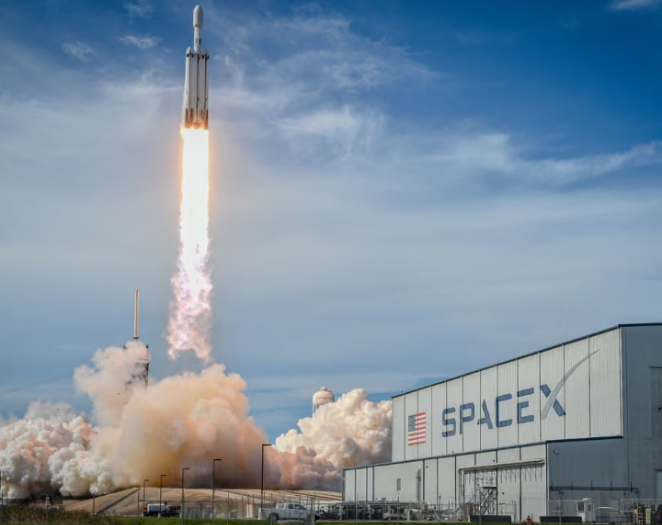
SpaceX will now absorb xAI’s core assets, including the Grok chatbot and the X social media platform formerly known as Twitter.
The integration allows SpaceX to combine launch capabilities with AI development, satellite internet, and direct-to-device communications infrastructure.
Analysts say the move strengthens Musk’s ability to control every layer of the emerging AI ecosystem, from power generation to data transmission.
SpaceX already dominates global satellite launches and holds major contracts with the United States federal government and allied agencies.
In a letter to investors last year, SpaceX disclosed an internal valuation approaching $800bn as demand for its services continues to surge.
The company’s expected public offering could push its valuation beyond $1tn, marking one of the largest listings in corporate history.
xAI has also seen explosive growth amid the global artificial intelligence boom, despite repeated controversies surrounding its technology.
The Grok chatbot has faced widespread criticism for promoting racist content and enabling the spread of nonconsensual sexualised deepfake images.
Despite backlash, xAI closed a $20bn Series E funding round that valued the company at approximately $230bn.
Supporters argue the funding reflects investor confidence in Musk’s long-term vision rather than short-term public criticism.
Musk has steadily intertwined his companies over the past year through strategic investments and internal acquisitions.
In early 2025, xAI acquired the X platform in an all-stock transaction, consolidating social media and AI development operations.
Tesla later announced a $2bn investment in xAI, deepening cross-company financial ties within Musk’s corporate network.
The SpaceX xAI merger represents the most significant step yet in unifying Musk’s ventures under shared technological goals.
Industry observers note that vertical integration allows Musk to move faster than competitors constrained by fragmented supply chains.
“Current advances in AI depend on massive data centres that strain power grids,” the company said in its announcement.
“Global electricity demand for AI cannot be met with terrestrial solutions without imposing hardship on communities,” the statement added.
The proposed space-based approach aims to bypass land limitations while reducing environmental pressures associated with cooling facilities.
Musk has previously sought regulatory approval for solar-powered satellites capable of hosting AI data processing systems in orbit.
Reuters previously reported that SpaceX had approached regulators regarding experimental orbital data centre infrastructure.
Speculation about the merger intensified after Musk responded “yes” to online reports hinting at consolidation talks.
The confirmation ended days of market rumours ahead of SpaceX’s expected IPO preparations.
The deal also provides a positive narrative shift for Musk following recent challenges at Tesla.
Last week, Tesla reported declining revenues and slower growth in its core electric vehicle business.
Days later, a US Department of Justice release reignited scrutiny over Musk’s past email exchanges with Jeffrey Epstein.
Musk described the renewed focus on those communications as a “distraction” and denied wrongdoing.
He said the correspondence could be misinterpreted and weaponised by critics seeking to damage his reputation.
The SpaceX xAI merger allows Musk to refocus public attention on innovation, expansion, and technological ambition.
Critics, however, warn the consolidation raises concerns about market power, governance, and regulatory oversight.
Combining space launch dominance with AI platforms and global communications could attract antitrust scrutiny.
Others argue the merger reflects a broader trend of tech leaders seeking control over critical infrastructure layers.
Read also: Starmer urges Mandelson to resign from Lords over Epstein links as government orders urgent review
By merging SpaceX and xAI, Musk positions himself at the intersection of space, energy, data, and artificial intelligence.
Supporters see the move as visionary, while sceptics question whether such concentration benefits society.
What remains clear is that Elon Musk merges SpaceX with artificial intelligence company xAI in a deal likely to redefine multiple industries simultaneously.
About The Author


