

Starmer urges Mandelson to resign from Lords over Epstein links, saying, “Lord Mandelson should not remain in the House of Lords amid these revelations.”
“Lord Mandelson should not remain in the Lords,” Starmer said, emphasizing the seriousness of reputational risk to the institution. The prime minister believes voluntary resignation is necessary for accountability.
Lord Mandelson resigned from the Labour Party this week, saying, “I do not wish to cause further embarrassment to the party.” This move follows the release of U.S. Department of Justice documents detailing possible financial links with Epstein. Mandelson denied recalling any such transactions or payments.
Downing Street has ordered an urgent review into Mandelson’s Epstein connections, with the Cabinet Secretary tasked to evaluate emails, documents, and financial records from the time Mandelson held government office. Starmer emphasized the need for transparency.
The prime minister also highlighted the importance of parliamentary standards, saying, “While we cannot strip a peerage without legislation, those who undermine trust should face accountability.” This reinforces calls to reform disciplinary measures in the Lords.

Recent documents indicate Mandelson communicated with Epstein regarding UK policy matters, including sensitive tax and financial strategies. These interactions raise questions about judgment while holding influential government positions in the early 2000s.
Mandelson’s continued presence in the Lords has drawn cross-party criticism. Starmer’s intervention reflects growing concern among lawmakers that failing to act could harm public trust in government institutions and their integrity.
Opposition leaders have called for a full investigation. Labour sources told reporters, “The public deserves clarity and accountability. No one is above scrutiny, and standards must be upheld.” Mandelson has yet to respond to calls for testimony.
Political fallout in UK over Epstein files has intensified, with analysts noting this scandal may shape debates about peerage reform and standards for senior government appointments for years to come.
Mandelson is currently on leave of absence from the Lords, limiting participation in legislative proceedings. Observers argue his symbolic status as a peer continues to undermine confidence in parliamentary ethics and oversight.
Legal experts note that removing a peerage requires legislation. Starmer’s call underscores the urgent need to strengthen rules to allow swift action in cases where public confidence is seriously threatened.
Financial records and email correspondences suggest Epstein may have made payments to Mandelson and his partner in the early 2000s. Mandelson’s spokesman stated, “He does not recall the alleged payments but regrets any misunderstanding.”
International observers are also watching closely, as Epstein’s network included influential individuals worldwide. Some argue that Mandelson should testify before investigations to ensure complete transparency regarding these connections.
The controversy has reignited public debate on the vetting of senior officials and the criteria for appointments. Analysts warn that failure to address misconduct could erode institutional credibility and trust in governance.
Starmer’s urgent review will consider the extent of Mandelson’s communications with Epstein and potential policy implications. A government spokesperson said, “We will leave no stone unturned to ensure integrity and accountability.”
The prime minister emphasized that the review is separate from legal proceedings and aims to protect public trust. “This is about maintaining high standards, not political point scoring,” Starmer said during a press briefing.
Calls to strip peerage from Mandelson have intensified. Conservative MPs noted, “Symbolic titles matter. Keeping him in the Lords without consequences sends the wrong message to the public.” Legal pathways for reform remain complex.
Some Labour figures have voiced support for Starmer’s approach, but others stress due process. Party insiders said, “We must balance fairness with accountability, ensuring the process is thorough and transparent for all involved parties.”
Media coverage has highlighted Mandelson’s past government roles, including as UK ambassador to the U.S., raising questions about judgment and potential conflicts of interest during sensitive diplomatic negotiations.
The release of the DOJ Epstein files has reignited calls for broader reforms in peerage oversight and accountability mechanisms. Analysts warn the scandal could shape policy on appointments and disciplinary rules for years.
Public opinion has been sharply critical. Editorials emphasize that no individual should be immune from scrutiny, particularly those holding lifelong privileges such as a peerage in the House of Lords.
Starmer has reiterated that legislative reform may be required to remove problematic peers. “We must explore ways to uphold the integrity of our institutions, including changes to how peers are disciplined or removed,” he said.
Mandelson’s resignation from the Labour Party does not resolve broader questions about his past conduct or the consequences for remaining in the Lords. Critics argue that symbolic presence continues to affect public confidence.
Opposition parties have pressed for immediate hearings, calling for transparency regarding interactions between Mandelson and Epstein. Some politicians have suggested international cooperation may be necessary to fully investigate financial and policy links.
Read also: Peter Mandelson Epstein links force Labour resignation as pressure mounts for US Congress testimony
The prime minister stressed that the review is not punitive but essential for clarity. “We owe the public an explanation. Questions remain, and accountability is critical,” Starmer said in a statement to reporters.
Political analysts note that fallout in UK over Epstein files will continue to shape discourse about ethics, governance, and parliamentary reform. The controversy underscores tensions between legal authority and moral responsibility in political life.
Starmer has indicated he expects cooperation from all relevant parties during the review. Government sources stated, “The goal is to ensure lessons are learned and standards are upheld for current and future officeholders.”
Observers warn that ongoing revelations could extend beyond Mandelson, as Epstein’s connections included multiple influential figures in the UK and abroad. Calls for broader investigations continue to grow.
Mandelson has so far declined to provide public testimony, but Starmer and other leaders maintain that transparency and voluntary resignation remain the best means of addressing reputational damage to the Lords.
The prime minister’s actions signal a shift toward stronger accountability measures, even for senior and historically untouchable figures. Experts suggest this could set a precedent for future oversight of peers implicated in misconduct.
Political fallout in UK over Epstein files has already influenced parliamentary debates about peerage reform, ethics, and the responsibilities of lifetime appointments, with Starmer emphasizing public confidence above partisan interests.
Starmer urged that peerage reforms be considered promptly. “We cannot allow past errors or associations to continue to undermine trust in our institutions,” he said. Legal review and legislative discussion are expected in coming months.
Mandelson’s case has become a litmus test for institutional standards. Analysts note that how the government and the Lords respond may have lasting implications for public trust and the credibility of the parliamentary system.
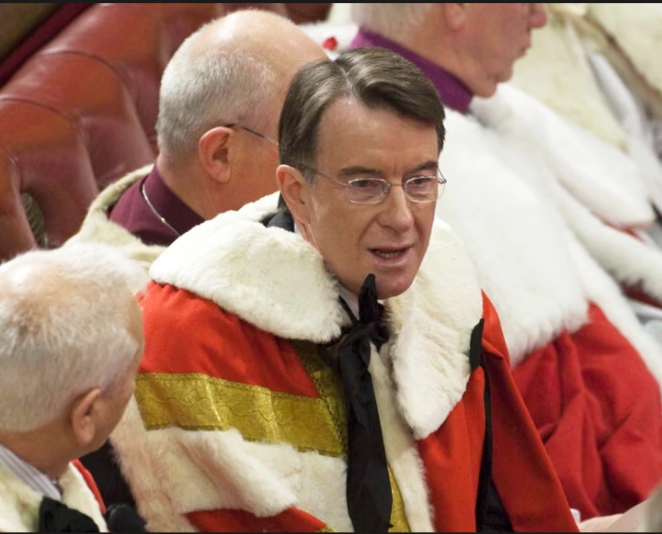
Government officials confirmed that the urgent review will produce recommendations for the prime minister and parliamentary authorities, aiming to prevent similar controversies in the future while maintaining due process.
As the story develops, attention remains on how peers, parties, and the government balance fairness, accountability, and the symbolic importance of lifetime titles. Starmer continues to advocate for responsible action.
About The Author


