UK Sends Warship And Fighter Jets To Strait Of Hormuz
The Iran-US war latest developments intensified dramatically on Tuesday after Britain confirmed it would deploy a warship, fighter jets and drones to support a multinational operation protecting shipping routes through the Strait of Hormuz as fears grow over Iran’s escalating nuclear threats and the possibility of renewed conflict with the United States.
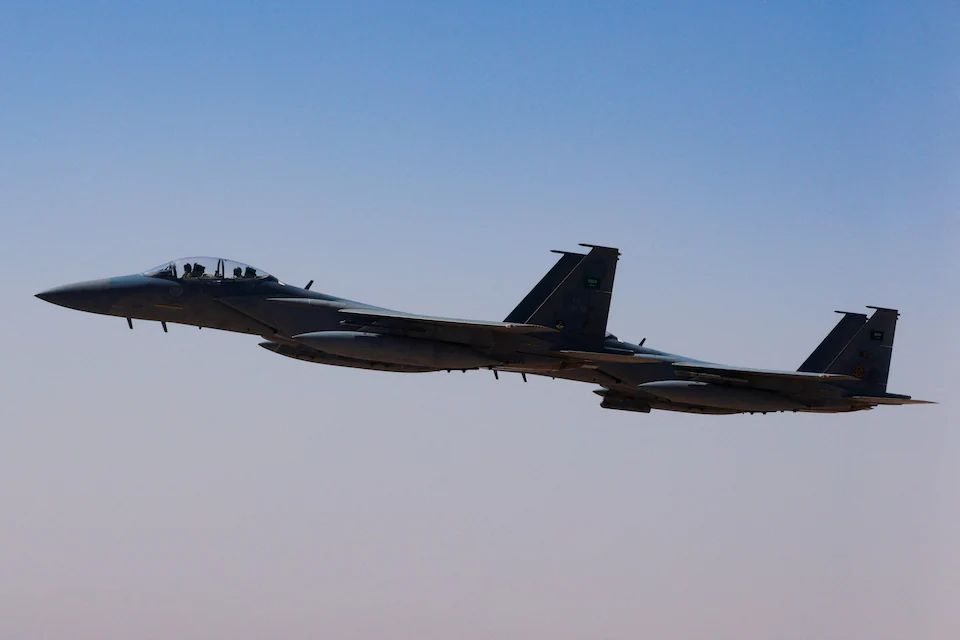
According to The Independent, the United Kingdom will contribute HMS Dragon, Typhoon fighter jets and autonomous mine-hunting systems as part of a £115 million military mission aimed at securing one of the world’s most important oil transit routes.
British defence secretary John Healey described the operation as a defensive effort designed to maintain regional stability and prevent further disruption to global shipping.
“With our allies, this multinational mission will be defensive, independent and credible,” Healey said during a virtual meeting involving defence officials from more than 40 countries expected to participate in the operation.
The deployment marks one of Britain’s strongest military responses since tensions between Washington and Tehran escalated earlier this year.
Military analysts believe the decision reflects growing Western concerns that the fragile ceasefire between Iran and the United States may soon collapse completely.
Iran Threatens 90 Percent Uranium Enrichment
Iranian officials sharply escalated tensions after warning that Tehran could move toward weapons-grade uranium enrichment if the United States launches fresh military attacks.
Ebrahim Rezaei, spokesperson for Iran’s parliamentary national security and foreign policy commission, issued the warning after reports emerged that President Donald Trump was considering new military options following stalled peace negotiations.
“One of Iran’s options in the event of another attack could be 90 percent enrichment. We will review it in the parliament,” Rezaei posted on X.
That statement immediately alarmed international observers because uranium enriched to 90 percent purity is widely regarded as weapons-grade material capable of supporting nuclear weapons development.
The Independent reports that Tehran believes Washington’s latest demands remain unacceptable and insists any future agreement must include guarantees against renewed American strikes.
Iranian officials also warned that increasing foreign military deployments near the Strait of Hormuz could trigger immediate retaliation.
Iran’s deputy foreign minister previously warned Britain and France against escalating their military presence in the Gulf region.
“The presence of foreign warships will be met with a decisive and immediate response,” the official reportedly said.
The increasingly aggressive rhetoric has raised fears that diplomatic negotiations are rapidly losing momentum.
Trump Says He Doesn’t Need China’s Help With Iran
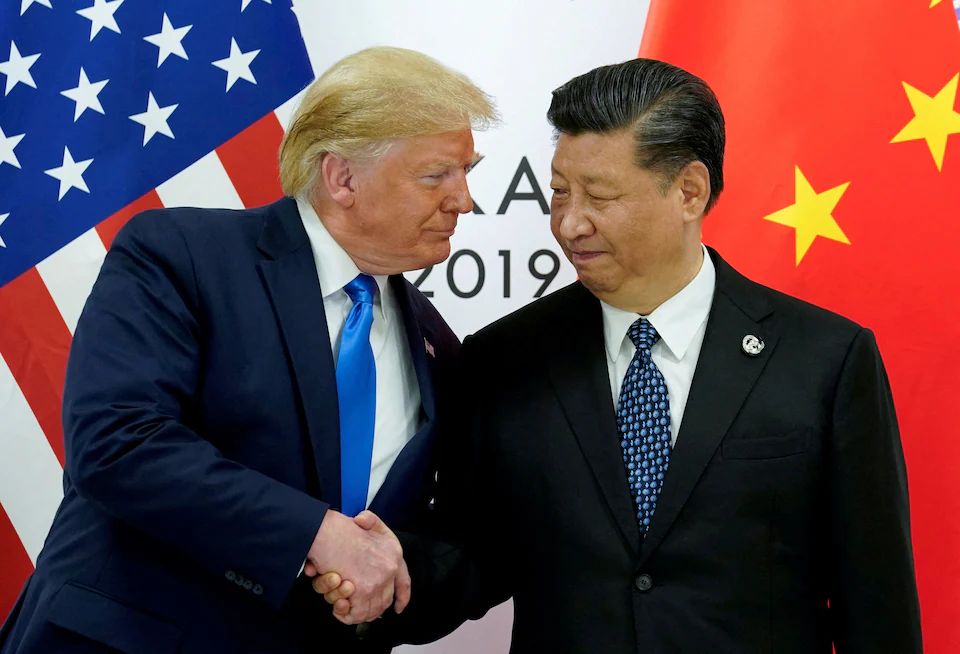
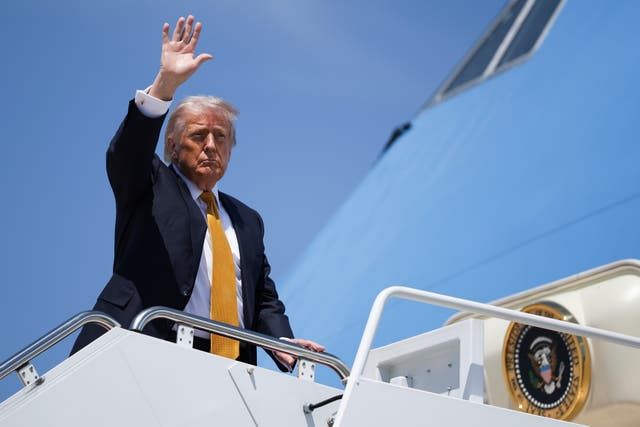
President Donald Trump insisted on Tuesday that the United States does not require China’s assistance to resolve the Iran conflict even as he prepared for high-level talks with Chinese President Xi Jinping in Beijing.
“I don’t think we need any help with Iran. We’ll win it one way or the other, peacefully or otherwise,” Trump told reporters before departing the White House.
The remarks came amid growing speculation that Washington may seek Beijing’s influence over Tehran because China remains one of Iran’s closest economic partners and one of the biggest buyers of Iranian oil exports.
Trump nevertheless confirmed he would discuss the Middle East crisis extensively with Xi during his visit.
The upcoming meeting between the leaders of the world’s two largest economies is expected to focus heavily on the Iran conflict, trade tensions and wider geopolitical instability.
Political analysts believe Trump is under increasing domestic pressure as the conflict continues affecting oil prices, global markets and public opinion ahead of the US midterm elections.
According to reports referenced by The Independent, more than 60 percent of Americans disapprove of the ongoing Iran war.
The worsening crisis has also complicated Washington’s relationships with allies reluctant to become deeply involved in another prolonged Middle East conflict.
Oil Prices Fear New Shock From Strait Of Hormuz Crisis
Global energy markets are closely monitoring developments in the Strait of Hormuz because the narrow waterway remains one of the most critical oil transit routes in the world.
Any prolonged disruption in the region could trigger major increases in global fuel prices and worsen inflation pressures already affecting several economies.
Oil prices rose again after reports suggested diplomatic efforts between Tehran and Washington had reached another deadlock.
Shipping companies are also becoming increasingly concerned about the security risks associated with commercial operations in the Gulf.
The multinational military mission announced by Britain is expected to include surveillance operations, naval escorts and mine-clearing activities designed to guarantee safe passage for commercial vessels.
Read also: Trump-Xi China summit looms as Iran War pressure weakens US leverage
Military experts warn that even limited clashes near the Strait of Hormuz could cause severe economic consequences worldwide because a significant portion of global oil exports passes through the route daily.
Energy analysts also fear that insurance costs for commercial shipping could rise sharply if military tensions continue escalating.
Several countries are already reviewing emergency supply plans in case the security situation deteriorates further.
Britain Joins 40 Nations In Gulf Security Mission
The United Kingdom’s deployment forms part of a broader multinational effort involving more than 40 countries concerned about maritime security in the Gulf region.
The operation reportedly includes advanced surveillance systems, naval patrols and coordinated air defence support aimed at protecting commercial shipping from possible attacks or disruptions.
According to The Independent, Britain’s contribution will include advanced autonomous mine-hunting equipment capable of detecting underwater threats without exposing crews to direct danger.
HMS Dragon is expected to play a major role in the operation because of its sophisticated radar systems and defensive missile capabilities.
Typhoon fighter jets will meanwhile provide rapid-response surveillance support if commercial vessels encounter threats in the region.
Although British officials insist the mission is purely defensive, Tehran continues viewing expanding Western military activity near its territorial waters with suspicion.
Iran has repeatedly accused Western governments of using maritime security concerns as justification for increasing military influence in the Gulf.
Regional observers warn that even defensive deployments could accidentally increase the risk of direct confrontation if military vessels from opposing sides operate too closely in tense conditions.
Hezbollah Rejects Direct Talks With Israel
The wider Middle East crisis deepened further after Hezbollah leader Naim Kassem urged Lebanon’s government to reject direct negotiations with Israel.
Kassem described direct talks as “concessions” and insisted Lebanon should instead pursue indirect negotiations through third-party mediators.
The comments highlight how the Iran conflict is increasingly reshaping political and military dynamics across the Middle East.
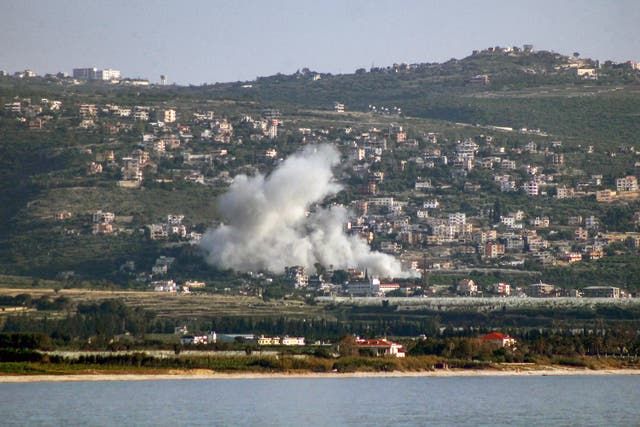
Several regional powers remain on high military alert as fears grow that the confrontation between Iran and the United States could expand into a wider regional war involving multiple allied groups.
Reports also emerged claiming Saudi Arabia carried out previously undisclosed retaliatory attacks against Iran during earlier stages of the conflict.
Although those reports remain sensitive, they have intensified concerns about covert regional military escalation.
Diplomatic analysts warn that growing instability across the region may make future peace negotiations even more difficult.
Trump Faces Pressure Over Rising Iran War Costs
The financial and political cost of the Iran conflict is also becoming a growing challenge for the Trump administration.
The Pentagon reportedly estimated that the conflict has already cost the United States around $29 billion, raising concerns among voters about military spending and economic priorities.
Critics argue that prolonged instability in the Middle East risks weakening global economic recovery while increasing fuel and transportation costs worldwide.
Trump has nevertheless defended his strategy repeatedly, insisting that military pressure forced Tehran into negotiations and prevented greater instability.
“We used to be taken advantage of for years,” Trump said. “Now we’re doing great with China.”
However, critics believe Washington’s strategy has struggled to produce lasting diplomatic breakthroughs.
Several analysts also warn that Iran’s increasingly aggressive nuclear rhetoric suggests the crisis may continue escalating despite ongoing international pressure.
Iran-US War Latest Crisis Pushes Region Closer To Brink
The Iran-US war latest developments continue to dominate global attention as military deployments increase, nuclear tensions escalate and diplomatic negotiations remain stalled.
Britain’s decision to deploy fighter jets, drones and HMS Dragon to the Strait of Hormuz reflects growing fears that the fragile ceasefire between Washington and Tehran could soon collapse entirely.
Iran’s threat to enrich uranium to weapons-grade levels has meanwhile intensified concerns about nuclear escalation and the possibility of a broader international crisis involving major global powers.
With oil markets already reacting nervously and military forces gathering across the Gulf region, the coming days may prove critical in determining whether diplomatic efforts can still prevent another dangerous escalation in the Middle East.
About The Author