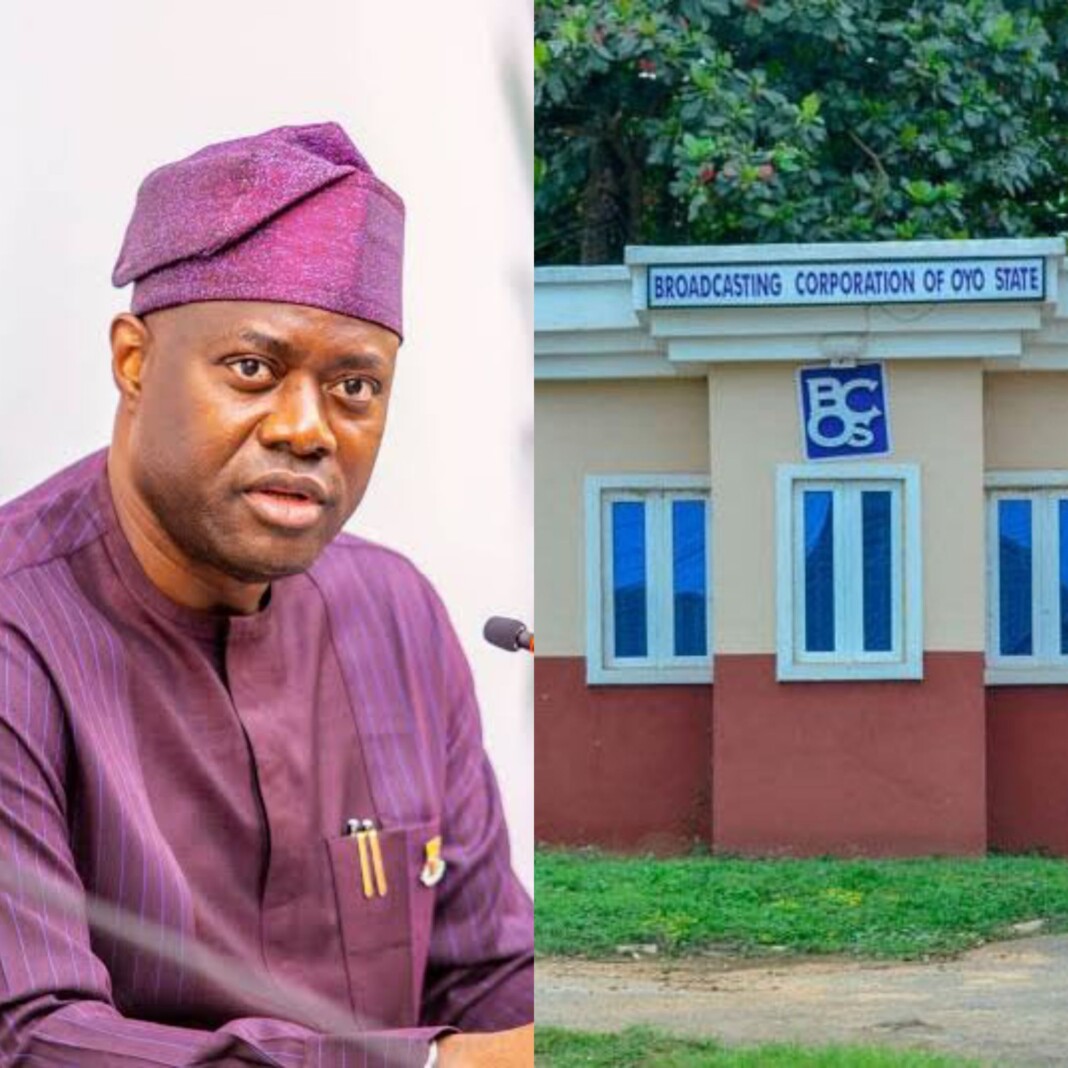

David Oluokun questions reliance on private radio stations for government media engagements amid concerns over BCOS Ibadan and other Oyo State-owned broadcasting stations.
The Oyo State APC Peace Advocates Publicity Secretary and BSA Voice of Reason Media & RHAIN Coordinator, Elder David Oluokun, has raised concerns over the reported poor state of government-owned broadcasting stations in Oyo State, calling on Governor Seyi Makinde to urgently address the operational challenges facing the Broadcasting Corporation of Oyo State (BCOS), Oke-Ogun FM in Alaga and Ajilete FM in Ogbomoso.
Oluokun, in a statement, expressed concern over the condition of broadcasting facilities, staff welfare, funding and the sustainability of public radio and television services across the state.
He also called for transparency regarding allegations surrounding the management of BCOS land and questioned the administration’s reliance on private radio stations for government media engagements while state-owned broadcasting institutions face reported operational difficulties.
The APC chieftain urged the Makinde administration to prioritise the rehabilitation of BCOS and other state-owned radio stations through improved funding, modern broadcasting equipment, reliable power supply and better working conditions for staff.
He also called for greater accountability in the management of public broadcasting assets, insisting that the stations should be supported to fulfil their responsibilities of informing, educating and entertaining residents of Oyo State.
The full statement by Elder David Oluokun reads:
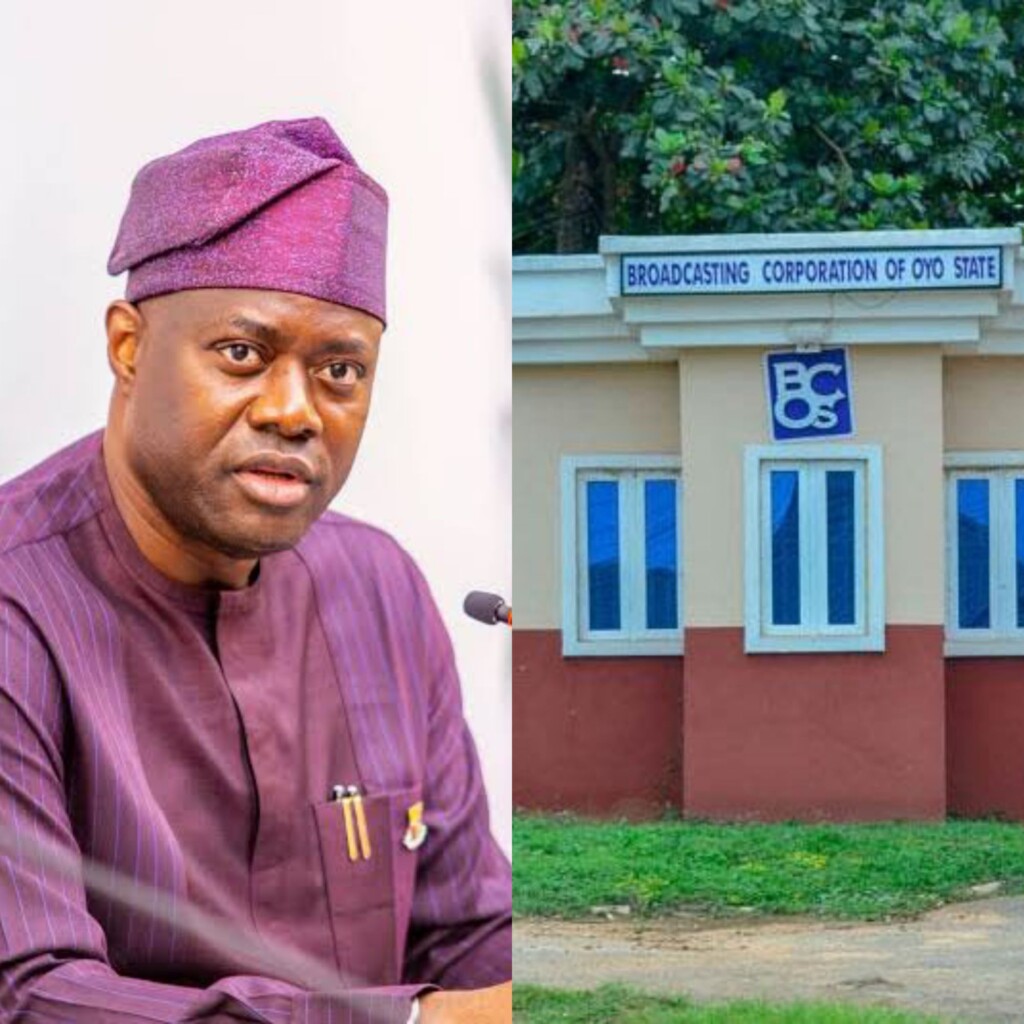
BCOS, Oke-Ogun FM, Other State-Owned Radio Stations in Comatose.

I am deeply concerned about the deteriorating condition of state-owned broadcasting stations in Oyo State under the administration of Governor Seyi Makinde. From the Broadcasting Corporation of Oyo State (BCOS) in Ibadan to Oke-Ogun FM in Alaga and Ajilete FM in Ogbomoso, I believe the state government needs to urgently address the operational challenges confronting these public media institutions.

These stations, established to inform, educate and entertain the people, appear to have lost much of their former vitality.

Their current condition raises serious questions about the government's commitment to sustaining public broadcasting and protecting institutions built with taxpayers' money.

As a concerned citizen, I find it difficult to understand why public broadcasting stations should struggle to function effectively while the government continues to engage private media organisations for its publicity and communication activities.

BCOS Ibadan: What Happened to the Pride of Oyo?

BCOS, Ibadan, was once a major broadcasting institution in the South-West, serving as an important voice for Oyo State and a platform for promoting its culture, history and development.

Today, I am concerned about the condition of its facilities, the state of its broadcasting equipment and the future of the institution.

I am also calling for transparency over allegations that portions of the BCOS land have been allocated or sold for estate development. The people of Oyo State deserve to know the circumstances surrounding any such transactions, the parties involved and the benefits accruing to the state.

Public assets should be managed in the interest of the people. If any portion of the corporation's land has been disposed of, the government should provide the necessary clarification and make relevant records available for public scrutiny.

At a time when broadcasting is rapidly embracing digital technology, I believe BCOS deserves adequate investment in modern equipment, infrastructure and staff development to restore its competitiveness.

Oke-Ogun FM, Ajilete FM: Stations in Comatose

My concern extends beyond Ibadan to Oke-Ogun FM in Alaga and Ajilete FM in Ogbomoso, whose operational challenges deserve urgent attention.

Oke-Ogun FM, Alaga, is particularly important to residents of Oke-Ogun, a vast geographical area with diverse communities that need accessible platforms for information, public enlightenment and cultural expression.

Unfortunately, I am worried about the station's operational condition and the state of its staff accommodation, which has been described as being in a sorry state.

A broadcasting station cannot effectively fulfil its mandate without adequate equipment, a reliable power supply, a functional transmission system and a conducive working environment.

The situation becomes even more concerning when one considers the station's dependence on diesel-powered generators. Where funds for diesel are inadequate, broadcasting operations can become irregular, leaving the station unable to serve its audience consistently.

Ajilete FM in Ogbomoso also deserves urgent attention over concerns about its operational capacity and the resources required to sustain its broadcasting activities.

I therefore challenge the Makinde administration to explain what concrete steps it has taken to rehabilitate these stations, upgrade their equipment and ensure that they operate as functional public broadcasting institutions.

What Happens to the Workers?

Beyond the infrastructure, I am equally concerned about the welfare of workers who have devoted their professional lives to public broadcasting in Oyo State.

Reports and allegations concerning outstanding salaries, pension obligations and inadequate staff welfare deserve serious investigation and an appropriate response from the government.

I believe workers who have spent years informing and educating the public should not be left without the necessary tools, motivation and working conditions required to perform their duties.

The government must provide clarity on any outstanding entitlements and demonstrate its commitment to the welfare of serving and retired personnel.

Reviving BCOS and its zonal stations should not be limited to repairing transmitters or purchasing new equipment. It must also involve investing in the people whose professional expertise sustains the institutions.

From Alao-Akala's Monthly Media Chat to Makinde's Private Radio Engagements.

One issue that particularly concerns me is the apparent shift in the government's use of publicly owned broadcasting institutions for media engagements.

I recall that during the administration of the late Alao-Akala, monthly media chats were held on BCOS, providing an avenue for the government to communicate directly with the people through a state-owned broadcasting institution.

That practice demonstrated how the government could utilise its own broadcasting infrastructure to explain policies, address public concerns and interact with residents of Oyo State.

However, under Governor Seyi Makinde, I am concerned that private radio stations appear to have become preferred platforms for government media engagements, while publicly owned broadcasting institutions face operational challenges.

I find this development worthy of public scrutiny. If BCOS could host regular government media chats in the past, what prevents the current administration from using the same institution for similar engagements?

I am not suggesting that the government should stop engaging private broadcasters. Such engagements are legitimate means of reaching wider audiences. Rather, I believe they should complement, not undermine, the public broadcasting infrastructure maintained with taxpayers' money.

My question to Governor Makinde is straightforward: Why has BCOS not been given a prominent role in hosting his media chats, as was done during the era of the late Alao-Akala?

At a time when concerns persist about the operational condition of state-owned radio stations, making BCOS a regular platform for government media engagements could help sustain its relevance and demonstrate the administration's commitment to public broadcasting.

I believe the government should explain its media engagement policy and clarify the measures it is taking to ensure that state-owned broadcasting stations remain functional, adequately funded and relevant to the people they were established to serve.

Why Patronise Private Radio Stations While Public Stations Struggle?

I am not opposed to the government engaging private radio stations. However, I believe the administration must demonstrate a clear commitment to strengthening the public institutions established and maintained with taxpayers' money.

If substantial public funds are being committed to publicity and media engagements, the government should explain how it balances those expenditures against the need to sustain BCOS, Oke-Ogun FM, Ajilete FM and other state-owned broadcasting facilities.

I challenge the administration to make public its funding priorities and demonstrate how its media engagement strategy supports the long-term sustainability of publicly owned broadcasting institutions.

I also believe that resources committed to publicity should be accompanied by deliberate efforts to procure modern transmitters, upgrade broadcasting equipment, rehabilitate facilities and improve workers' welfare.

I am not alleging, without documentary evidence, that funds have been diverted from these stations to private broadcasters. Rather, I am demanding transparency over public expenditure and a clear explanation of the government's priorities.

The central issue is simple: Why should publicly owned broadcasting stations remain in a difficult operational condition while the government continues to depend on private stations to communicate its message?

The Voice of Oyo State Must Not Be Allowed to Fade

To me, BCOS is more than a broadcasting organisation. It represents a significant part of Oyo State's broadcasting history, cultural identity and public communication infrastructure.

Its radio and television services, alongside its zonal stations, have the potential to promote local languages, showcase indigenous talent, disseminate public information and give communities outside Ibadan greater access to public discourse.

For residents of Oke-Ogun, Oke-Ogun FM could serve as an important platform for reporting local development, addressing community concerns and communicating government policies in ways that directly affect their lives.

When such a station struggles to maintain regular operations, the consequences extend beyond its premises. The communities it was established to serve also lose an important communication channel.

I therefore find it troubling that concerns about the condition of these institutions persist without a clear, publicly communicated plan for their comprehensive rehabilitation.

My Challenge to Makinde

I challenge .Governor Seyi Makinde to make the revival of BCOS, Oke-Ogun FM, Ajilete FM and other state-owned broadcasting stations a priority before the end of his administration.

I want the government to publish a clear assessment of the stations' operational conditions, disclose plans for upgrading their equipment, address outstanding workers' welfare issues and explain the management of public assets belonging to the broadcasting corporation.

I also urge the government to provide sustainable funding arrangements for the stations, including a reliable power supply, modern transmission facilities and adequate resources for routine operations.

These are legitimate questions about public accountability and the future of institutions established to serve the people.

I do not believe Oyo State should allow its public broadcasting heritage to deteriorate while the government looks elsewhere to communicate its message.

History will remember not only the projects initiated by an administration but also how it maintained, strengthened or allowed public institutions to decline.

For me, the question remains: Will Makinde revive Oyo State's public broadcasting stations before leaving office, or will BCOS, Oke-Ogun FM, Ajilete FM and others remain shadows of their former selves?

The people of Oyo State deserve answers.

David Oluokun
_BSA Voice of Reason Media & RHAIN Coordinator_
About The Author