

Iran Oil Exports Continue through the Strait of Hormuz despite escalating war tensions, as maritime data shows vessels crossing daily, challenging official claims that the critical waterway has been shut completely.
Reports confirm that “Iran is still exporting millions of barrels of oil,” contradicting earlier announcements suggesting closure of the Strait of Hormuz to United States and allied vessels during ongoing conflict.
Since the war began, approximately “90 ships, including oil tankers, have crossed the strait of Hormuz,” according to maritime tracking platforms monitoring vessel movement and global energy trade disruptions carefully.
These developments highlight the gap between political rhetoric and operational reality, as global shipping continues navigating one of the world’s most strategically vital oil transit chokepoints under heightened military tensions.
The Strait of Hormuz remains essential, carrying a significant percentage of global oil supplies, making any disruption not only regional but a major concern for international energy markets stability.
Despite warnings and threats, the steady flow of vessels suggests that enforcement of restrictions is either limited or selectively applied, allowing continued oil exports under complex and evolving conditions.
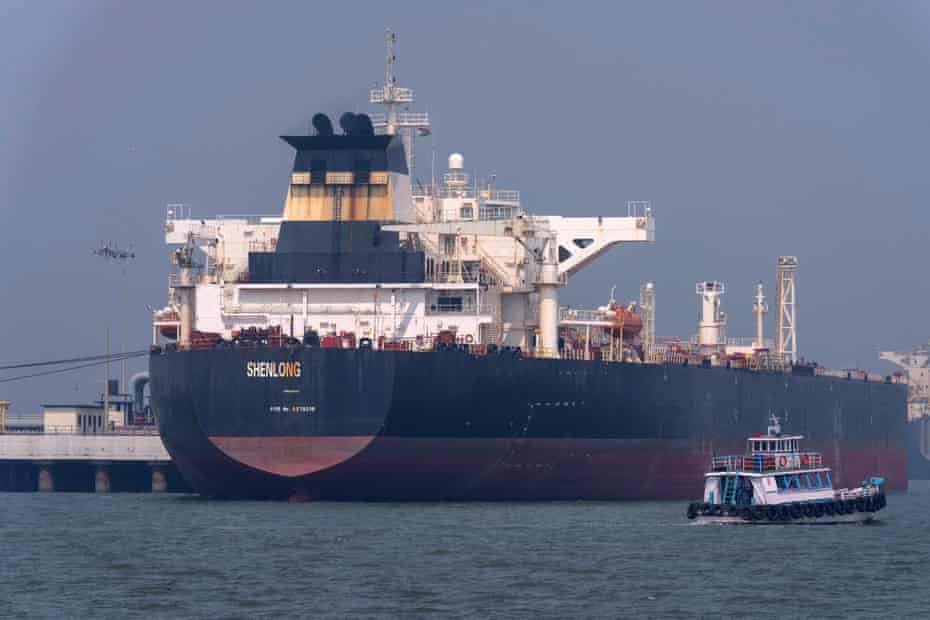
A notable example includes the Liberia-flagged tanker “Shenlong Suezmax,” which successfully transported crude oil from Saudi Arabia through the strait amid rising geopolitical uncertainty and security concerns.
The vessel’s movement demonstrates that commercial shipping operations are adapting quickly, balancing risk and necessity as global demand for oil remains strong despite war-related instability in the region.
Photographic evidence places the “Shenlong Suezmax” at Mumbai Port in India, reinforcing reports that shipments are not only leaving the Gulf but reaching international destinations without major interruptions.
Such voyages illustrate how interconnected global supply chains remain resilient, even in conflict zones, where economic imperatives often outweigh political declarations or military signaling efforts.
Further complicating the situation are so-called “dark” transits, where ships deliberately avoid detection systems to evade sanctions imposed by Western governments targeting Iranian oil exports and associated networks.
Associated Press reports indicate many vessels “are so-called ‘dark’ transits evading western sanctions,” raising concerns about transparency and enforcement effectiveness within international maritime regulations frameworks.
These “dark” operations typically involve disabling tracking systems, falsifying cargo data, or rerouting shipments through intermediaries to obscure origins and destinations from monitoring authorities.
Such tactics enable continued oil flow while undermining sanctions regimes designed to pressure Iran economically during periods of heightened geopolitical confrontation and military engagement.
Additionally, vessels linked to countries like India and Pakistan have reportedly crossed the strait successfully, signaling diplomatic efforts and economic considerations influencing shipping decisions in the region.
The involvement of these nations suggests that negotiations and strategic partnerships are playing a key role in maintaining trade flows despite official restrictions and rising international tensions.
Governments are reportedly stepping up negotiations to ensure safe passage for vessels, reflecting the high stakes associated with maintaining uninterrupted access to global energy supplies.
This diplomatic activity underscores the importance of balancing geopolitical alliances with economic needs, particularly for countries heavily reliant on imported oil to sustain domestic industries and growth.
Meanwhile, global markets are closely monitoring these developments, as any significant disruption in the Strait of Hormuz could trigger sharp increases in oil prices worldwide.
So far, however, the continued movement of tankers suggests that worst-case scenarios have not materialized, providing some level of reassurance to investors and policymakers alike.
Still, uncertainty remains high, as the situation could change rapidly depending on military actions, diplomatic breakdowns, or strategic shifts by key actors involved in the conflict.
The persistence of oil exports highlights Iran’s determination to maintain economic lifelines, even under pressure from sanctions and military threats targeting its infrastructure and trade routes.
By continuing shipments, Iran signals both resilience and defiance, leveraging its strategic position to sustain revenue streams critical for its economy during wartime conditions.
At the same time, enforcement challenges reveal limitations in monitoring and controlling maritime activity in such a vast and heavily trafficked waterway.
International cooperation is essential for effective oversight, yet differing national interests often complicate unified action against sanction evasion practices in global shipping networks.
The presence of “dark” tankers also raises environmental and safety concerns, as unregulated operations increase risks of accidents, spills, or collisions in already congested waters.
Such risks add another layer of complexity to an already volatile situation, where economic, environmental, and security issues intersect in unpredictable ways.
For shipping companies, navigating the Strait of Hormuz now involves heightened risk assessments, insurance considerations, and coordination with naval forces operating in the area.
These operational challenges translate into increased costs, which can eventually impact global oil prices and supply chain dynamics beyond the immediate conflict zone.
Despite these obstacles, the continued flow of oil suggests that market forces remain strong enough to drive activity even under adverse geopolitical conditions.
This resilience reflects the global economy’s dependence on steady energy supplies, making complete shutdowns of critical routes like Hormuz difficult to sustain in practice.
Moreover, the discrepancy between official claims and observed activity raises questions about information warfare and the strategic use of messaging during conflicts.
Statements about closing the strait may serve as deterrence or political signaling rather than accurate representations of actual maritime conditions on the ground.
Understanding this distinction is crucial for analysts and policymakers seeking to assess the real impact of the conflict on global energy markets.
It also highlights the importance of independent data sources, such as maritime tracking platforms, in providing transparency and countering potentially misleading narratives.
Read also: US-Hamas Cairo talks test fragile Gaza ceasefire amid widening regional war
As the situation evolves, the role of technology in monitoring shipping activity will continue to shape how information is gathered, verified, and disseminated globally.
Ultimately, the fact that “Iran is still exporting millions of barrels of oil” underscores the complexity of enforcing economic restrictions in a highly interconnected world.
It demonstrates that even in times of war, global trade networks find ways to adapt, persist, and operate within shifting political and security landscapes.
The ongoing flow of tankers through the Strait of Hormuz serves as a powerful reminder of the delicate balance between conflict and commerce shaping today’s geopolitical environment.
Will continued oil shipments ease tensions by sustaining global supply, or deepen conflicts by undermining sanctions and strategic pressure?