

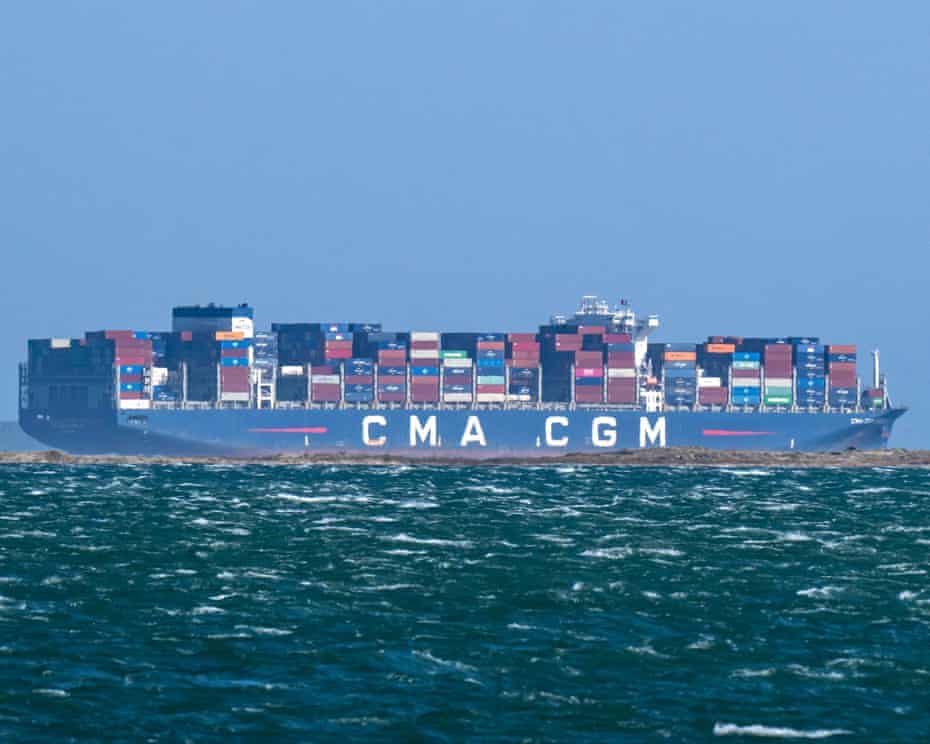
Several ships, including a French container vessel and Japanese-linked tankers, successfully navigated the Strait of Hormuz despite ongoing conflict, signaling a partial reopening of the crucial international shipping lane.
The CMA CGM Kribi, owned by France and flying the Maltese flag, switched on its transponder near Dubai before carefully navigating around Larak Island near Iran’s coast, following a safer maritime route.
Three Oman-linked tankers also passed, including the Sohar LNG, co-owned by Japan’s Mitsui OSK Lines, operating under the Panamanian flag, with companies keeping transit details confidential due to geopolitical and security concerns.
The strait normally handles roughly a fifth of global oil and gas supplies, and its closure since February has driven energy prices higher while threatening global trade and regional economic stability.
The blockade has disrupted fertiliser supply chains, critical for agriculture worldwide, as roughly a third of raw fertiliser materials passes through the strait, raising concerns over food security and crop yields globally.
UK Foreign Secretary Yvette Cooper emphasized multilateral coordination to pressure Iran, opposing potential multimillion-dollar tolls on vessels, urging countries to ensure freedom of navigation and protect international commercial and strategic interests.
The United Nations is considering a humanitarian shipping corridor for essential goods, potentially clearing mines and trapped ships, allowing global markets to access fertiliser and other supplies, preventing shortages in poorer countries.
Donald Trump claimed on social media that the United States could easily reopen the strait with more time, suggesting commercial gain while highlighting the strategic significance of Gulf energy reserves globally.
Maritime insurers have suspended war-risk coverage for Gulf operations, raising shipping costs, complicating logistics, and forcing operators to balance economic benefits against risks from military conflict or regional hostilities affecting vessel safety.
CMA CGM declined to comment, reflecting the sensitivity of navigation in contested waters, while private negotiations, intelligence sharing, and careful route planning ensured that vessels could transit the strait without incident.
Experts note the passage is geopolitically significant, as disruptions could escalate regional tensions, affecting global energy markets and trade, with continued monitoring essential to prevent future interruptions or economic instability in maritime shipping.
Food security remains a priority, with fertiliser shortages threatening agricultural production in Africa and Asia, prompting international organizations to seek emergency measures and alternative logistics to prevent a global food crisis.
Shipping costs for oil, gas, and other commodities have risen sharply, affecting consumers and businesses worldwide, while successful vessel passages may stabilize markets slightly, though uncertainty and risk remain significant challenges.
Read also:Todd Blanche takes over Justice Department as Trump seeks $1.5tn defense budget
Diplomatic efforts continue, with the UN and coalition partners discussing conflict resolution, mine clearance, and vessel monitoring, ensuring compliance with maritime law and reducing the risk of further disruption in the strait.
The Strait of Hormuz remains critical for energy, fertiliser, and trade, with successful navigation demonstrating partial reopening, highlighting the need for international coordination to maintain safe passage during ongoing Iran war tensions.
About The Author
