

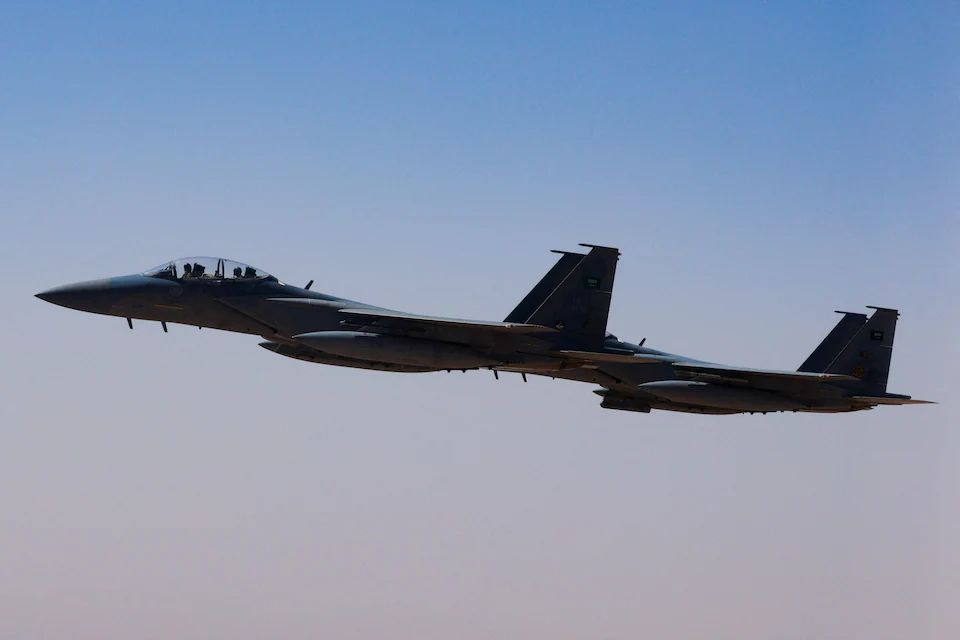
RIYADH/DUBAI — Saudi Arabia secretly attacked Iran during the Middle East war after repeated missile and drone strikes targeted the kingdom, according to Western and Iranian officials familiar with the covert retaliation campaign.
One Western official described the operation as “tit-for-tat strikes in retaliation for when Saudi was hit,” while an Iranian official said both countries later moved quickly to “cease hostilities, safeguard mutual interests, and prevent the escalation of tensions.”
The covert operation marked the first known time Saudi Arabia directly carried out military action inside Iranian territory, dramatically escalating the Gulf states conflict as tensions spread across the wider Middle East.
The strikes were believed to have been launched in late March after Iranian attacks allegedly pierced regional defenses and threatened airports, oil facilities and civilian infrastructure across the Gulf.

Saudi Arabia warned Iran against further attacks
Saudi Arabia did not directly confirm or deny the covert operation when approached for comment, but a senior foreign ministry official insisted the kingdom remained committed to “de-escalation, self-restraint and the reduction of tensions.”
The official added that Riyadh’s priority remained “the stability, security and prosperity of the region and its people.”
Iran’s foreign ministry did not respond to requests for comment.
The revelation exposes how the Middle East war expanded far beyond publicly acknowledged battle lines after U.S. and Israeli airstrikes on Iran triggered retaliatory attacks across the region.
Iran allegedly launched missile and drone strikes targeting Gulf Cooperation Council states, including attacks linked to airports, oil infrastructure, military installations and maritime trade routes connected to the Strait of Hormuz.
Gulf states quietly began retaliating
The report also revealed that Gulf states battered by Iranian attacks quietly launched retaliatory operations against Tehran.
The Wall Street Journal reported that the United Arab Emirates also carried out military strikes on Iran, signaling a tougher regional response to Tehran’s military pressure.
Saudi Arabia, however, maintained diplomatic communication with Iran even while retaliatory military operations were allegedly unfolding behind the scenes.
Ali Vaez, Iran Project Director at the International Crisis Group, said the reported retaliation reflected “pragmatic recognition on both sides that uncontrolled escalation carries unacceptable costs.”
He added that the diplomatic engagement showed “not trust, but a shared interest in imposing limits on confrontation before it spiraled into a wider regional conflict.”
Saudi Arabia and Iran moved toward de-escalation
Western and Iranian officials said Saudi Arabia warned Iran that additional retaliation could follow if attacks on the kingdom continued.
The pressure reportedly contributed to an informal understanding between Tehran and Riyadh aimed at reducing hostilities before a broader ceasefire agreement emerged in April.
One Iranian official said the de-escalation effort was designed to “cease hostilities, safeguard mutual interests, and prevent the escalation of tensions.”
Another Western source said Saudi Arabia was prepared to adopt a “more hawkish approach” if attacks continued.
Data compiled from Saudi defense ministry statements showed attacks targeting the kingdom dropped significantly after the diplomatic contacts intensified.
Saudi prince explains kingdom’s strategy
Former Saudi intelligence chief Prince Turki al-Faisal defended the kingdom’s handling of the conflict in an opinion article published by Saudi-owned Arab News.
“When Iran and others tried to drag the kingdom into the furnace of destruction, our leadership chose to endure the pains caused by a neighbor in order to protect the lives and property of its citizens,” he wrote.
Saudi Foreign Minister Prince Faisal bin Farhan had earlier warned that Riyadh “reserved the right to take military actions if deemed necessary.”
Days later, Saudi Arabia expelled Iran’s military attaché and four embassy staff members as tensions deepened across the region.
Iran reportedly reduced direct strikes
Western officials said Iran later reduced direct missile and drone attacks targeting Saudi Arabia, although allied groups operating from Iraq allegedly continued launching projectiles toward the kingdom.
Saudi Arabia later summoned Iraq’s ambassador to protest attacks originating from Iraqi territory.
The conflict briefly intensified again after the broader ceasefire began, with Saudi authorities reporting dozens of drones and missiles fired toward the kingdom in early April.
Read also: Iran-US War Latest: UK sends warship to Strait of Hormuz as Iran threatens nuclear escalation
Pakistan subsequently deployed fighter jets to reassure Saudi Arabia while diplomatic negotiations accelerated across the region.
The covert Saudi retaliation now reveals how dangerously close the Middle East war pushed Gulf powers toward direct military confrontation with Iran despite simultaneous diplomatic efforts to avoid what officials feared could become a catastrophic regional war.
Keyphrases
Saudi Arabia secretly attacked Iran, Middle East war, Saudi strikes on Iran, Iran retaliation, Gulf states conflict