Trump changes the pressure strategy
Trump Iran economic pressure is entering a tougher phase as the US president threatens countries doing business with Tehran, potentially creating a dangerous confrontation with China.
Donald Trump announced what he described as the most aggressive economic campaign ever directed against a country, warning Iran’s commercial partners of severe consequences.
“Any country that allows its financial institutions, businesses, airports, or government entities to provide any type of lifeline to Iran will itself face tremendous economic consequences,” Trump warned.
The announcement represents a significant shift after months of military strikes failed to force Tehran back to negotiations and raised questions about Washington’s ability to sustain warfare.
Trump has increasingly faced pressure over the financial and military costs of the conflict, particularly as the US approaches its midterm elections.
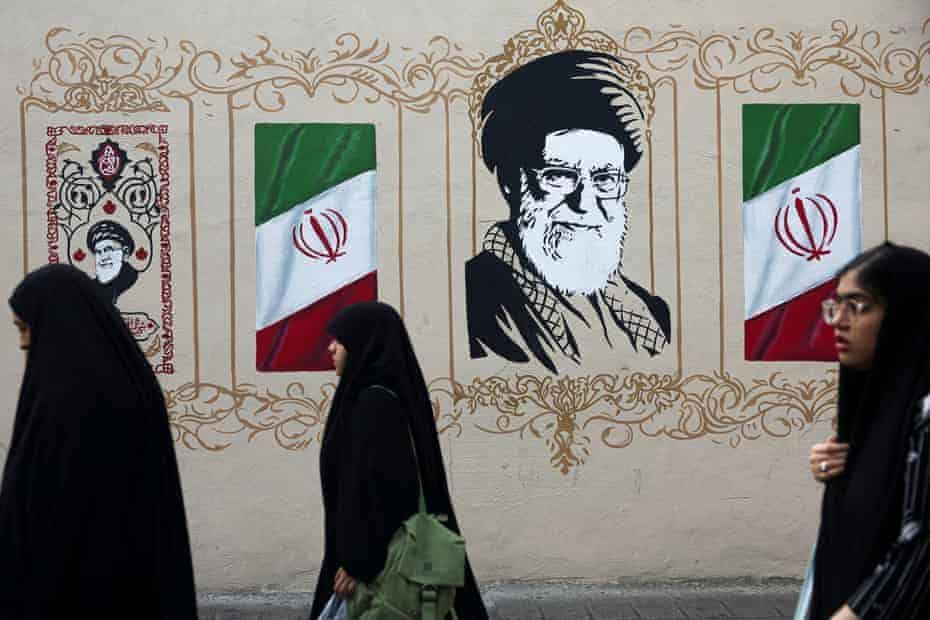
According to The Guardian, the White House has recently signalled a strategic shift towards economic isolation after the military campaign struggled to produce the desired diplomatic breakthrough.
Military strikes give way to sanctions
The United States paused attacks against Iran last month after two weeks of nightly strikes failed to bring Tehran back to the negotiating table.
Pentagon advisers had reportedly warned that American forces were approaching the limits of their target list while supplies of important munitions were becoming increasingly strained.
Washington is therefore seeking another route to pressure Iran without relying exclusively on military force, placing economic warfare at the centre of its strategy.
US Treasury Secretary Scott Bessent had already indicated that Washington would intensify efforts to isolate Iran economically before Trump’s latest announcement.
The campaign includes Operation Economic Fury, an American sanctions programme designed to restrict Iranian revenue and disrupt networks supporting the country’s economy.
Iran’s oil lifeline under pressure
The strategy targets activities including oil smuggling, financial transfers, exchange houses, ship registries and front companies that help Tehran bypass international restrictions.
Iran has lived under extensive American and Western sanctions for years, but its government has developed increasingly sophisticated methods for maintaining access to international markets.
One important mechanism is a network of shadow tankers that allows Iranian oil to reach buyers despite sanctions and attempts to restrict the country’s petroleum exports.
The Trump Iran sanctions strategy could therefore depend heavily on Washington’s ability to pressure companies, banks and governments facilitating those transactions.
Trump’s latest warning appears designed to extend that pressure beyond Iran itself, potentially threatening countries that continue purchasing Iranian oil or supporting Tehran’s commercial infrastructure.
China becomes the biggest challenge
The greatest obstacle could be China, Iran’s most important trading partner and a major destination for Iranian oil exports.
Analysts warn that aggressively targeting Chinese companies or financial institutions could transform an economic campaign against Tehran into a much broader confrontation between Washington and Beijing.
Gregory Brew of Eurasia Group said any new measures would probably need to focus on Iran’s trading partners, but targeting China would be particularly difficult.
“Hard for the US to direct such actions at China,” Brew said, highlighting Beijing’s importance to Iran’s economic future and the wider consequences of secondary sanctions.
The situation becomes even more sensitive because Chinese President Xi Jinping is expected to visit the United States next month, potentially placing trade diplomacy alongside escalating tensions over Iran.

Strait of Hormuz remains critical
The economic confrontation is unfolding alongside the continuing crisis surrounding the Strait of Hormuz, one of the world’s most strategically important energy routes.
Iran has threatened shipping through the waterway, while the United States has maintained naval operations aimed at restricting Iranian oil exports and supporting allied commercial vessels.
Trump said American forces were helping vessels move through the strait, declaring that “right now, a lot of boats are coming through.”
Reports suggested US forces had recently been facilitating between fifteen and twenty ships entering or leaving the waterway each night.
However, shipping data reportedly showed substantially lower traffic, highlighting uncertainty over how much commercial movement is actually taking place.
Pressure on Iran’s negotiating position
Iranian officials have rejected the idea that sanctions and military pressure can force Tehran into surrender, while continuing to leave the door open to negotiations.
Mohammad Mokhber, an adviser to Iran’s supreme leader, said Tehran remained willing to engage Washington but would not mistake negotiations for capitulation.
That position illustrates the fundamental problem confronting Trump’s strategy: economic pain may weaken Iran, but it does not necessarily guarantee political concessions.
Danny Citrinowicz, a former head of the Iran branch of Israeli military intelligence, questioned whether the American effort to facilitate shipping could be sustained indefinitely.
More importantly, he argued that the operation would not necessarily force Iran to surrender or fundamentally alter its negotiating position.
UAE decision adds pressure
The pressure on Iran has already begun affecting regional commercial relationships, with the United Arab Emirates announcing restrictions on trade and financial activity involving Tehran.
The UAE said it was responding after detecting missiles launched from Iran, although Tehran dismissed those claims as baseless.
Before the war, the UAE was one of Iran’s largest trading partners, accounting for more than 30% of Iranian imports.
The development suggests Trump’s economic strategy could produce consequences far beyond Washington and Tehran, potentially reshaping trade relationships throughout the Gulf.
A wider confrontation looms
The immediate question is whether Trump’s economic offensive can achieve what military strikes failed to accomplish without opening another major front involving China.
Read also: Kyiv missile attack kills 12 as Russia unleashes barrage
If Washington targets countries buying Iranian oil, Beijing could face direct pressure because of its extensive commercial relationship with Tehran.
That would make Iran trading partners central to the next phase of the conflict and could transform sanctions enforcement into a test of US-China relations.
For Trump, the strategy offers a way to increase pressure without immediately expanding military operations, but its consequences could prove difficult to control.
The battle over Iran’s economy is therefore becoming inseparable from oil, global trade, the Strait of Hormuz and the increasingly complicated relationship between Washington and Beijing.
About The Author