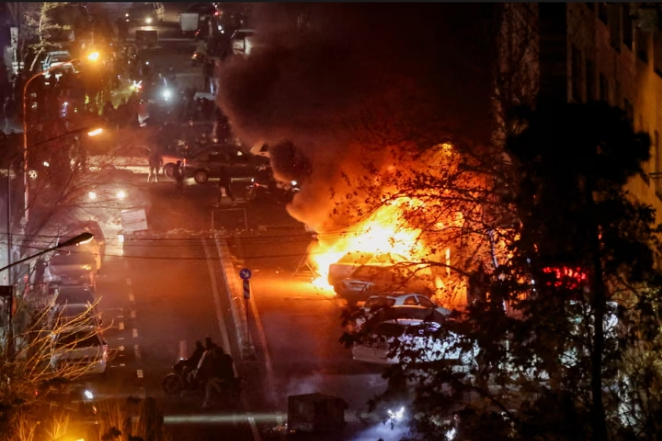
Trump’s decision to impose a 25% tariff on countries trading with Iran has heightened global economic and diplomatic tensions as Tehran continues to grapple with its most sustained wave of anti-government protests in years.
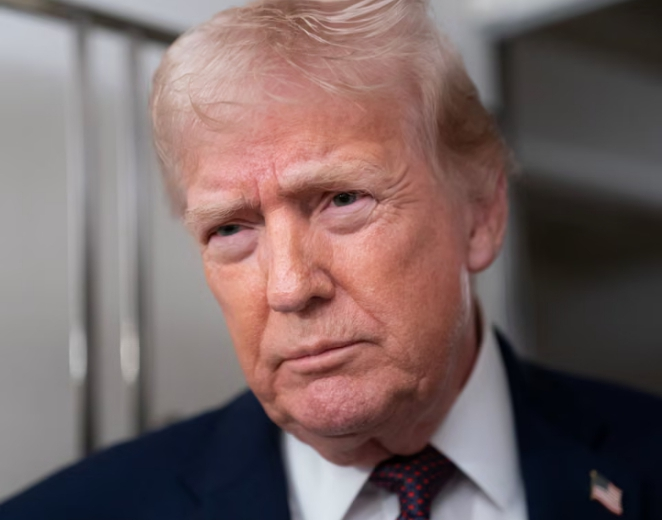
The US president announced that any country maintaining commercial ties with Iran would face a 25% tariff on all trade with the United States.
The declaration, issued via Truth Social, comes as Washington weighs its response to a prolonged political crisis inside Iran rather than a sudden outbreak of unrest.
“Effective immediately, any Country doing business with the Islamic Republic of Iran will pay a Tariff of 25% on any and all business being done with the United States of America,” Trump said, adding that the order was “final and conclusive.”
Despite the strong language, the White House has yet to publish formal documentation explaining the legal authority for the measure or clarifying whether it would apply uniformly to all of Iran’s trading partners.
Officials declined to comment on enforcement mechanisms or possible exemptions.
Trade analysts note that tariffs are paid by US importers, meaning American companies could initially absorb the cost, potentially passing it on to consumers.
The announcement has already raised concerns about market volatility and supply chain disruptions.
Iran has been under US sanctions for decades, but Trump’s latest move extends pressure to third-party nations.
China, the United Arab Emirates and India remain among the top destinations for Iranian exports, particularly energy-related products.
China swiftly condemned the threat, warning against unilateral economic pressure. A spokesperson for the Chinese embassy in Washington said Beijing opposed “illicit unilateral sanctions” and stressed that trade wars produce no winners.
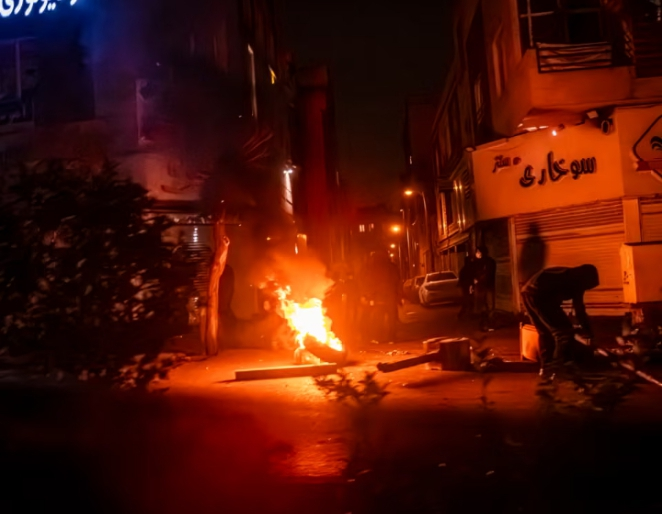
The tariff warning coincides with ongoing unrest in Iran, where demonstrations that began months ago over economic hardship have evolved into broader political challenges to the ruling clerical system.
Protesters have increasingly called for systemic change, escalating tensions between citizens and the state.
Human rights groups report a heavy-handed response from Iranian authorities.
Iran Human Rights, a Norway-based organisation, estimates that at least 648 people have been killed since the protests began, while a US-based monitoring group says more than 10,600 arrests have been recorded.
Iranian officials have not released comprehensive casualty figures, and internet shutdowns alongside phone restrictions have made independent verification difficult. However, limited communication has intermittently resumed, allowing some international contact.
The Trump administration has signalled that multiple policy options remain on the table. White House press secretary Karoline Leavitt said airstrikes were among the possibilities under review, though she emphasised that diplomacy remained the president’s preferred approach.
Trump has also suggested potential engagement with Iranian officials while maintaining contact with opposition figures, a dual-track strategy that analysts say is designed to increase leverage without immediate escalation.
Read also: Iran protest crackdown intensifies as regime stages mass rally to project control
European governments are taking precautionary steps as the crisis drags on. Non-essential French embassy staff have reportedly departed Iran, with officials citing concerns over the safety of personnel and citizens.
Inside Tehran and other major cities, state-organised rallies have attempted to project strength and support for the regime, even as opposition demonstrations persist despite mass arrests and security crackdowns.
Trump’s tariff threat comes as his broader trade agenda faces legal scrutiny at home, with the US supreme court considering challenges to several existing tariffs imposed during his presidency.
Iran, an OPEC member, exported goods to more than 140 countries in recent years, underscoring the potential global impact of secondary trade penalties if the policy is fully enforced.
Economists warn that targeting Iran’s trading partners could strain relations between Washington and major global economies, particularly if enforcement becomes aggressive or inconsistent.
As Iran’s internal crisis continues and international pressure mounts, Trump’s tariff announcement adds another layer of uncertainty to an already volatile geopolitical landscape.
The tariff threat has also unsettled international energy markets, as traders weigh the possibility of reduced Iranian exports if secondary sanctions are enforced aggressively.
Iran’s oil sales, much of which move through indirect channels, remain a sensitive component of global supply, particularly as several producers face output constraints.
Diplomats say the lack of clarity surrounding the scope and legal basis of the tariffs may be intentional, giving Washington room to escalate or soften its stance depending on developments inside Iran.
Similar strategies were used during Trump’s previous term, when trade threats were employed as leverage before formal policies were announced.
Within Iran, analysts warn that external economic pressure could further strain an already weakened economy without necessarily easing political repression.
While sanctions have historically hurt state revenues, they have also deepened hardship for ordinary citizens, potentially fueling continued unrest rather than forcing rapid political change.
About The Author