The House of Representatives has taken decisive action to address the growing outrage among Nigerian bank customers over what lawmakers describe as arbitrary, excessive, and unexplained bank charges.
The lower chamber on Tuesday, October 14, 2025, resolved to summon the Central Bank of Nigeria (CBN) and major Deposit Money Banks (DMBs) to appear before its Committee on Banking Regulations to explain the persistent deductions that continue to frustrate millions of account holders nationwide.
House Moves to Curb Arbitrary Bank Charges
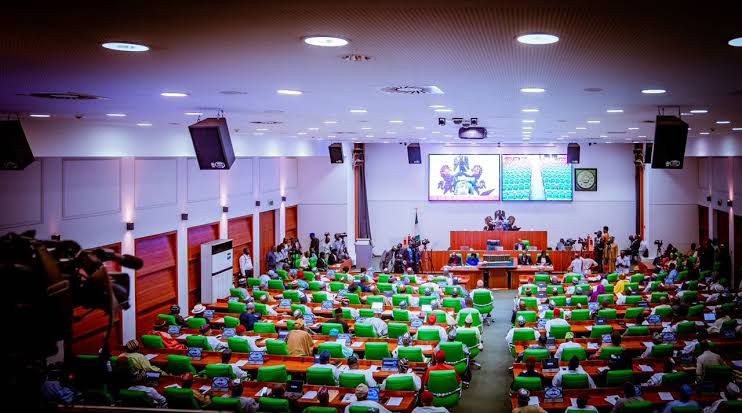
The move followed a motion of urgent public importance sponsored by Hon. Tolani Shagaya, representing Ilorin West/Asa Federal Constituency of Kwara State, and was adopted at a plenary session presided over by Speaker Tajudeen Abbas.
In his motion titled “Need to Curb Arbitrary Bank Charges and Protect Nigerian Customers”, Shagaya drew the attention of his colleagues to the incessant deductions and unexplained fees imposed on customers’ accounts, despite several warnings by the CBN.
According to him, “The practice of arbitrary bank charges has become not only a source of public frustration but a major obstacle to Nigeria’s financial inclusion drive.
If left unchecked, it will erode public trust in the banking sector and discourage savings.”
Lawmakers agreed that the arbitrary bank charges imposed by financial institutions have become an unacceptable burden on Nigerians, especially in the current period of economic hardship.
Persistent Exploitation Despite Regulatory Warnings
Over the years, the issue of arbitrary bank charges has generated heated debate within the National Assembly.
The House first raised alarm in 2016, when then-member Tajudeen Yusuf of Kogi State exposed how commercial banks were manipulating the CBN’s N65 Automated Teller Machine (ATM) withdrawal policy, applying charges indiscriminately on transactions that should have been exempted.
In 2023, a similar motion was moved by Hon. Godwin Offiono, who accused commercial banks of “fleecing customers through unauthorised deductions in breach of extant financial laws.”
He listed several exploitative deductions, including excessive SMS alert fees, card maintenance charges, account maintenance costs, and interbank transfer charges—many of which he said were not transparently communicated to customers.
Despite multiple interventions and directives from the CBN, Offiono lamented, the exploitative trend has persisted, leaving customers helpless and disillusioned.
Public Outcry over Hidden Deductions and Poor Transparency
For many Nigerians, these arbitrary bank charges have become a recurring nightmare. Customers routinely report being debited for services not rendered, while banks often fail to offer clear explanations for the deductions.
Many consumers, especially those in rural areas or with limited financial literacy, are unable to challenge these charges effectively.
Shagaya warned that such practices undermine the CBN’s cashless policy and financial inclusion campaign.
“When citizens lose confidence in the banking system, it defeats the government’s efforts to build a digital economy. Transparency and trust are the foundations of any successful financial system,” he stressed.
The lawmaker called on the apex bank to intensify its regulatory oversight and hold commercial banks accountable for every violation.
Lawmakers Demand Stronger Consumer Protection
Adopting Shagaya’s motion, the House directed the CBN to immediately publish a comprehensive and simplified list of all approved bank charges to enable customers to know what they are being charged for.
Lawmakers also called on the apex bank to strengthen its consumer protection framework and ensure strict enforcement of penalties on defaulting banks.
Furthermore, the House mandated the CBN to establish a robust and accessible redress mechanism where customers can report cases of arbitrary deductions and receive timely feedback.
Beyond the apex bank, lawmakers also urged the Federal Competition and Consumer Protection Commission (FCCPC) and related agencies to embark on a nationwide consumer rights awareness campaign, educating bank customers on their rights and proper complaint channels.
Committee to Probe Banks, Enforce Accountability
To ensure compliance, the House directed its Committee on Banking Regulations to summon representatives of the CBN and major Deposit Money Banks to appear before it and answer questions on the recurring arbitrary bank charges.
The committee is also tasked with reviewing existing banking guidelines and recommending new legislative or regulatory frameworks to better protect consumers.
According to sources familiar with the committee’s plan, the lawmakers intend to scrutinize the frequency, nature, and transparency of deductions made by banks, as well as assess whether these charges align with CBN-approved guidelines.
Nigerians Welcome Probe as Relief Hopes Rise
The House resolution has been widely welcomed by Nigerians who have long demanded accountability in the banking sector.
Many customers say that while digital banking has improved convenience, it has also opened the door to hidden deductions and overcharging.
Consumer rights advocates have urged lawmakers to push beyond mere investigation and ensure that erring banks refund customers for unjustified deductions.
“This probe must not end like previous ones. Nigerians deserve fair treatment and transparency in financial services,” said Moses Akintola, a financial analyst based in Lagos.
CBN’s Role Under Scrutiny
The spotlight now turns to the Central Bank of Nigeria, which has the constitutional responsibility to regulate banking activities and ensure compliance with financial laws.
The apex bank has previously issued circulars warning banks against arbitrary charges, but enforcement has remained weak.
Analysts argue that the CBN must adopt tougher sanctions, including suspensions or license penalties for repeat offenders, to restore public confidence.
Toward a Transparent Banking System
As Nigerians await the outcome of the House probe, there is renewed optimism that this latest action could bring lasting reform to the country’s banking system.
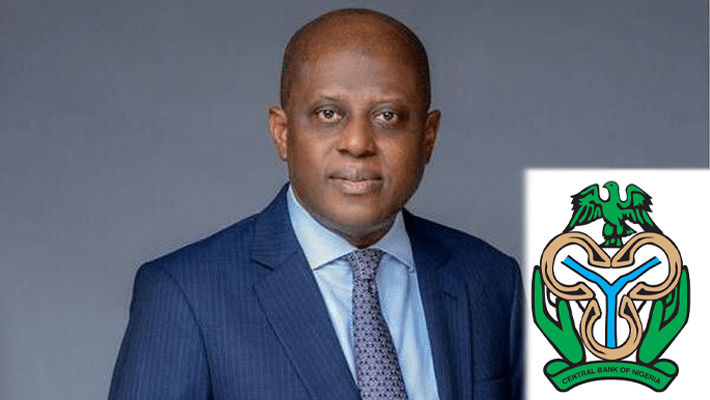
With mounting pressure from both lawmakers and consumers, financial institutions may soon have no choice but to end the era of arbitrary bank charges and embrace transparency.
The National Assembly’s renewed focus signals a broader commitment to consumer protection, ensuring that every deduction from a customer’s account is justified, transparent, and fair.
About The Author