The United States has revoked six visas of foreign nationals over social media posts celebrating Charlie Kirk’s death, marking an unprecedented focus on online political commentary enforcement globally.
The State Department emphasized, “The United States has no obligation to host foreigners who wish death on Americans,” signaling the administration’s commitment to strict US visa revocation policies.
Charlie Kirk, cofounder of Turning Point and prominent conservative activist, was fatally shot at a political rally in September, sparking national debates over political polarization and youth engagement in politics.
The six revoked visas belonged to citizens from South Africa, Mexico, Brazil, Paraguay, and Argentina, all flagged for posts authorities deemed threatening, hostile, or celebratory of violence against Americans.
One Argentine national posted that Kirk “deserved to burn in hell,” prompting immediate US visa revocation action. Officials said these measures protect American citizens and discourage hostile online behavior.
Social media scrutiny is expanding to international students, visitors, and other foreign nationals, linking online commentary directly to potential security threats and US visa revocation decisions in real time.
Since 2019, all visa applicants must provide social media handles. In 2025, student applicants must make accounts public for vetting, allowing officials to identify potential threats before entry.
Critics argue that revoking visas for social media posts infringes on freedom of expression, while officials insist that strict enforcement ensures national security and upholds US legal frameworks.
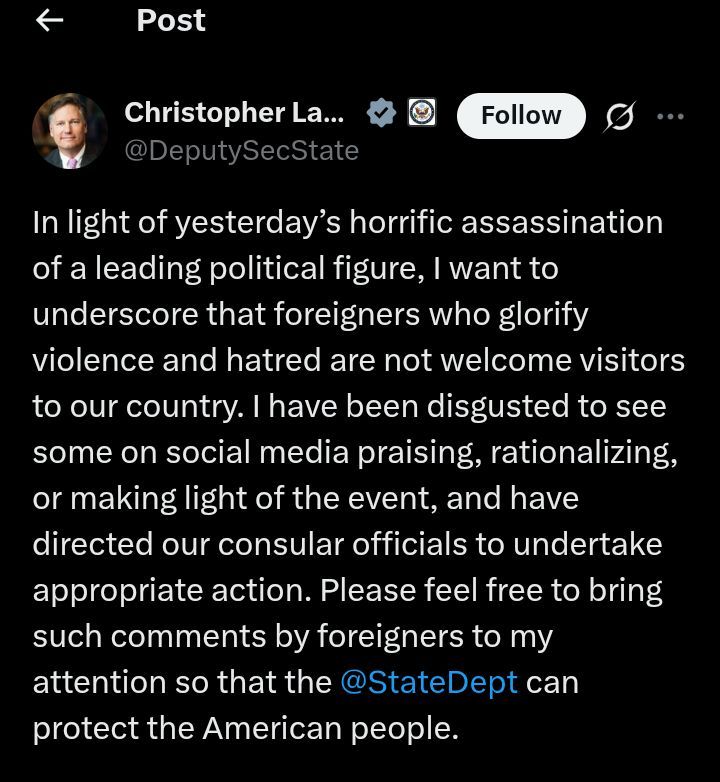
Deputy Secretary of State Christopher Landau emphasized that foreign nationals’ digital behavior can influence visa eligibility and encouraged reporting posts that glorify violence, racism, or discrimination against Americans.
The Kirk-related US visa revocations follow previous Trump administration actions, where thousands of student visas were canceled due to allegedly illegal activity or politically motivated online expression considered threatening.
Approximately 200 to 300 student visas were revoked this year for pro-Hamas activity or fundraising, highlighting the administration’s broad approach to linking online behavior with US visa revocation and national security.
Secretary of State Marco Rubio emphasized the importance of ensuring visitors to the US do not condone or celebrate violence against Americans, reinforcing the government’s commitment to strong enforcement measures.
The Charlie Kirk case demonstrates that social media posts can have tangible consequences, with over 145 US-based individuals facing disciplinary action, suspension, or termination for online commentary regarding his death.
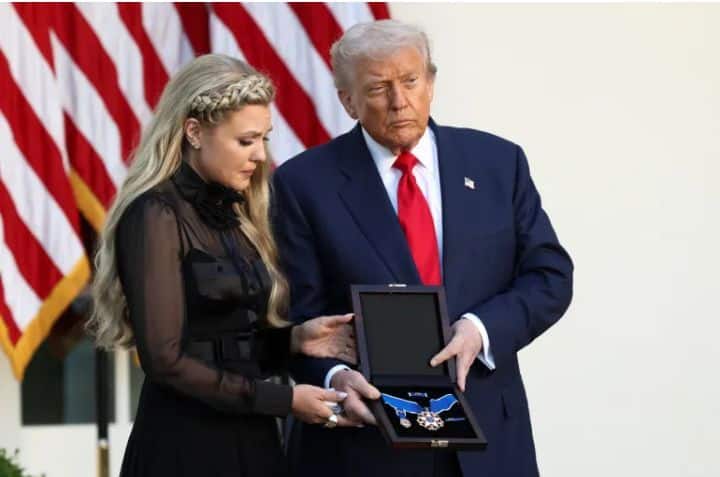
President Trump posthumously awarded Charlie Kirk the Presidential Medal of Freedom, elevating him as a conservative icon and intensifying debates about political martyrdom, polarization, and the role of social media.
Legal experts confirm US visa revocation based on social media activity is permissible under American law, though critics warn of potential international backlash and chilling effects on free speech globally.
The Trump administration increasingly links political activism on campuses and online commentary to visa eligibility, reflecting a broader crackdown on foreign nationals’ participation in political discourse and activism.
Social media companies have clarified that enforcement is government-led, yet they are pressured to cooperate when user activity intersects with national security or poses risks to public safety.
Revocations over Charlie Kirk posts highlight the growing influence of online behavior on US visa revocation and security policy, demonstrating the government’s willingness to act swiftly against threatening commentary.
International students and visitors must navigate these policies carefully, understanding that online activity can impact visa approval, academic standing, and future access to the United States under US law.
The broader context involves crackdowns on international students supporting political movements abroad, illustrating tension between freedom of expression, national security, and the United States’ academic and diplomatic reputation.
The Kirk case may influence future policy decisions surrounding political violence, social media monitoring, and international diplomacy, showing how governments enforce consequences across borders in the digital era.
US visa revocation policies now consider tone, content, and influence of online posts, emphasizing that foreign nationals must exercise caution when engaging in political discussions targeting the US.
Officials described the Kirk-related revocations as a warning, reinforcing that social media posts celebrating violence against Americans can result in immediate visa cancellation or denial of entry.
The Trump administration requires visa applicants to declare previous social media activity, strengthening enforcement of US visa revocation policies and deterring foreign nationals from posting hostile content online.
Social media platforms play a central role in national security enforcement, as authorities monitor trends, hashtags, and accounts potentially linked to harmful political rhetoric or actions against Americans.
Charlie Kirk’s death remains a flashpoint in the United States, illustrating how online commentary intersects with immigration policies, political recognition, and international perceptions of American law enforcement.
The Trump administration continues expanding US visa revocation measures, integrating online monitoring, diplomatic coordination, and legal oversight to protect American citizens from hostile foreign commentary.
International students, visitors, and scholars are advised to maintain careful online conduct, as US visa revocation policies increasingly intersect with social media activity, political activism, and perceived security threats.
The case raises questions about digital expression, academic freedom, and international norms, emphasizing that US visa revocation policies evolve to include online activity and foreign nationals’ digital behavior.
As the United States adapts to digital-era challenges, online activity increasingly carries consequences for visa holders, students, and visitors seeking lawful entry into the country.
Charlie Kirk’s legacy, combined with visa revocation responses, illustrates the growing intersection of politics, digital speech, and US immigration enforcement under the Trump administration’s policies.
These measures demonstrate that online posts have tangible legal, diplomatic, and personal consequences, shaping how international users engage with political discourse while visiting or studying in the United States.
US visa revocation enforcement continues to evolve, combining social media monitoring, diplomatic consultation, and legal oversight, reinforcing that foreign nationals’ online commentary can directly impact immigration outcomes.
Ultimately, the Charlie Kirk case serves as a reminder that digital activity abroad is closely monitored, and violations of US social media standards can result in immediate visa revocation.
The United States’ approach to social media, political activism, and foreign nationals signals a new era of digital accountability, where online commentary determines visa eligibility and participation in US society.
US visa revocation remains a key tool for enforcing national security, controlling hostile foreign influence, and managing digital threats, particularly when online commentary intersects with political violence.
The Charlie Kirk visa revocations highlight the United States’ proactive stance in linking digital behavior to immigration policy, creating global precedent for monitoring international social media activity.
The Kirk case underscores the importance of understanding US visa revocation rules for students, scholars, and visitors, reinforcing that online posts are scrutinized and may affect legal entry into the country.
Foreign nationals must carefully navigate political commentary online, as the United States increasingly treats social media activity as a reflection of threat assessment for US visa revocation decisions.
The US government continues to integrate social media monitoring into immigration enforcement, making it clear that harmful or hostile online commentary, including regarding Charlie Kirk, may have immediate consequences.
The Charlie Kirk case and associated US visa revocation actions demonstrate the growing power of digital activity in shaping immigration law, diplomatic relations, and perceptions of American governance internationally.
About The Author