Nato air defence for Ukraine is now the alliance’s most urgent task after a deadly Russian strike left Kyiv unable to intercept a single ballistic missile on Wednesday night. At least 17 people died when Russia fired 24 ballistic missiles and 115 drones across Ukrainian cities. Ukrainian crews shot down 98 drones, but none of the ballistic missiles were stopped, exposing a dangerous gap.
The failure has forced Nato Secretary General Mark Rutte to promise faster deliveries of systems and interceptors to Kyiv. Speaking after talks with President Volodymyr Zelenskyy, Rutte said allies must “cut through all red tape” to get batteries into place before winter. The timing matters because Russia is expected to target energy infrastructure again when temperatures drop.
Zelenskyy warned that Moscow is preparing a “Russian missile production surge” ahead of the cold months. He told the National Security and Defense Council that supplies from partners have collapsed in 2026, falling to about one third of 2025 levels. “Literally every day, people’s lives here in Ukraine depend on the resolve of our partners,” he said.

The president also suggested that delays in Western supplies may be political. He said stalled deliveries could be “aimed at making Ukraine, so to speak, more willing to compromise” in peace talks. That comment added pressure on Washington, Berlin and other capitals to act quickly on interceptor transfers.
Ukraine’s core problem is the “Ukraine Patriot missile shortage” that has worsened for months. Patriots are the only systems in Ukrainian service able to reliably hit Iskander-M, S-400 and Zircon missiles. Without them, cities and critical sites remain exposed to ballistic attacks that drones and older systems cannot stop.
Adviser Serhii Beskrestnov estimated Russia can now launch about 100 ballistic missiles per month. He wrote on Telegram that Moscow will aim at logistics hubs, factories, food stores and warehouses. “The war of attrition has entered its next phase,” he said, describing a campaign designed to exhaust Ukrainian defences.
Production timelines make the gap worse. Lockheed Martin delivered more than 600 interceptors in 2025 and aims for 2,000 annually by 2030. Yet Gulf states fired over 1,100 interceptors in just three months of the Iran war, showing how fast stockpiles disappear. Demand is outpacing factories across the West.
Nato says Europe’s first Patriot production facility will open in September in Germany. That is welcome news, but it arrives too late for this winter. Until then, Ukraine must rely on transfers from existing allied stocks, and those stocks are already thin.
The “Ukraine air defence crisis” deepened in July when Russia struck Kyiv on average every three days. Moscow combines ballistic missiles with cruise missiles, drones and decoys to force defenders to track many threats at once. Commanders must then ration scarce interceptors and choose what to protect.
This rationing has real human costs. On Wednesday, firefighters worked through the night in Kyiv to control blazes after missile impacts. Emergency teams pulled survivors from damaged buildings while air raid sirens continued. Without interceptors, warnings and shelters are the only defence.
The United States remains central to any solution. At a Nato summit last month Donald Trump said the US would license Patriot production in Ukraine. Three weeks later he said no final decision had been made. The mixed signals have complicated planning in Kyiv.
Despite the uncertainty, Reuters reports that US-Ukraine talks continue. One option is for Ukraine to build some components while final assembly happens elsewhere in Europe. Experts warn that even with a licence, full production in Ukraine would take years to reach scale.
The Pentagon insists it still holds a “deep arsenal” of Patriots. However, an Associated Press analysis estimated the US inventory has dropped by at least 65 percent since the Iran war began. That drawdown limits what can be sent to Ukraine immediately.

Zelenskyy’s “Zelenskyy air defence plea” was direct during his meeting with Rutte. He urged allies to make political decisions now, not later. He said every delay costs lives and weakens Ukraine’s ability to protect civilians and infrastructure through winter.
Russia’s strategy is clear. By increasing launch rates and mixing missile types, Moscow forces Ukraine to expend interceptors on decoys. That leaves fewer missiles for real threats. Beskrestnov called it a deliberate effort to stretch Ukrainian batteries to breaking point.
The consequences extend beyond the battlefield. Attacks on warehouses and food stores threaten supply chains. Strikes on industrial sites slow reconstruction. Each successful missile hit also undermines public confidence in air defence and government protection.
Allies are responding, but slowly. Nato officials say they are prioritizing Ukraine in current transfer discussions. Some European states are reviewing their own stocks to identify systems that can be sent quickly. The goal is to get more launchers operational before the first frost.
Ukraine continues to use drones and electronic warfare to limit damage. Crews downed 98 of 115 drones on Wednesday, proving that layered defence still works against slower targets. But drones cannot stop ballistic missiles traveling at hypersonic speeds.
That is why Patriots matter so much. They provide the only credible shield against Russia’s most destructive weapons. Without a rapid influx, Ukraine faces a winter of blackouts, casualties and greater pressure to negotiate from weakness.
Rutte acknowledged the urgency after meeting Zelenskyy in Kyiv. He said Nato is working to “urgently” close the air defence gap. He did not give exact numbers or delivery dates, citing security concerns and ongoing negotiations with member states.
The political dimension cannot be ignored. Zelenskyy’s suggestion that aid delays aim to push compromise has resonated in Kyiv. Officials want clear commitments, not vague promises, as Russian missiles continue to fall on civilian areas.
In the meantime, Ukraine is adapting tactics. Commanders are concentrating batteries around the most critical sites. They are also improving early warning and dispersion to reduce casualties. But adaptation cannot replace interceptor missiles.
Industry leaders say capacity will improve. The new German facility and expanded US lines should increase output by 2027. Until then, the war will be fought with the missiles already built and the political will to send them.
For civilians, the math is simple and brutal. More interceptors mean fewer deaths. Fewer interceptors mean more funerals. That is the reality behind every press conference and every diplomatic meeting this week.
Nato’s credibility is also on the line. The alliance promised to support Ukraine “as long as it takes.” Now it must prove that promise with hardware, not words. “Nato air defence for Ukraine” must move from slogan to shipment.
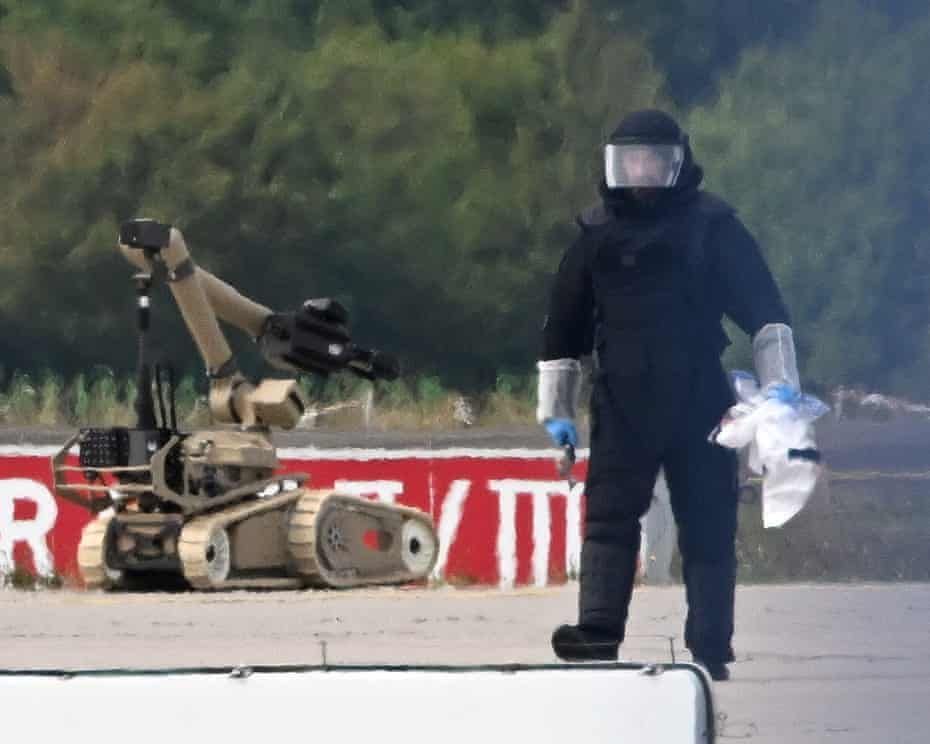
Read also: Leipzig airport:Bomb disposal robot deployed after explosive drone found at German airport 🇩🇪💣
The next 60 days will be decisive. If deliveries arrive before winter, Ukraine can protect power plants and heating. If they do not, Russia’s missile campaign will have far greater impact on daily life.
Zelenskyy closed his remarks with a warning and a request. He said Moscow is preparing for a long fight and Ukraine needs partners who are prepared too. He asked for speed, transparency and fewer excuses.
The world is watching whether allies can deliver. The “Ukraine Patriot missile shortage” will define the coming months. The “Russian missile production surge” will test Western resolve. And “Nato air defence for Ukraine” will determine how many people survive the winter.