Iran war impact on Ukraine defence
Concerns are growing that Russia exploiting Ukraine Patriot missile shortage could reshape the battlefield as the ongoing war involving Iran diverts vital air defence resources away from Kyiv.
Ukrainian officials and military analysts warn that a surge in demand for US-made interceptors in the Middle East may leave Ukraine vulnerable to renewed waves of Russian missile strikes.
President Volodymyr Zelenskyy revealed that within only three days of the Iran conflict, nearly 800 Patriot interceptor missiles were used to defend multiple countries from Iranian attacks. That number exceeds the quantity Ukraine has typically been able to deploy during many months of defending its own cities since Russia’s full-scale invasion in 2022.
The development has triggered fears that the war in the Middle East could unintentionally weaken Ukraine’s defensive shield just as Vladimir Putin looks for opportunities to escalate aerial assaults.
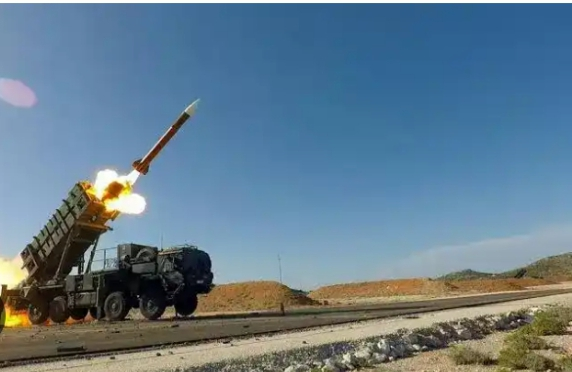
The MIM-104 Patriot system has been one of the most important tools in Ukraine’s defence against ballistic and cruise missiles. First delivered in 2023, Patriot batteries were initially stationed in Kyiv to protect the capital and its millions of residents. Their mobility allows them to be relocated regularly, making it harder for Russian forces to target them.
Experts say the systems have played a vital role in intercepting advanced Russian weapons such as the Kh-47M2 Kinzhal, which Moscow once claimed could not be stopped by Western technology. Successful interceptions helped disprove earlier claims that these missiles were effectively unstoppable.
Despite their effectiveness, Patriot interceptors are extremely expensive. Each missile costs several million dollars, and global production has historically been limited to fewer than 900 units annually, meaning supply shortages can quickly arise when multiple conflicts demand the same equipment.
Analysts say Ukraine’s missile defence shortage is not yet immediate but could become critical in the coming weeks. Ukrainian political analyst Volodymyr Fesenko suggested Russia may already be preparing for this scenario.
In recent days, Russian forces have noticeably reduced large-scale drone and missile attacks on Ukraine, which some observers believe indicates Moscow could be stockpiling weapons for a larger offensive.
Such tactics have been used repeatedly during the war. Russian air raids often begin with swarms of drones and decoy drones intended to exhaust Ukrainian air defence systems. After interceptors are depleted, waves of ballistic and cruise missiles follow, overwhelming remaining defences.
If Patriot supplies fall significantly, experts warn that Russia missile attacks on Ukraine could cause far greater damage to cities and infrastructure. Ukraine currently operates fewer than a dozen Patriot batteries, even though military planners say at least 25 systems would be required to adequately defend the country.
Russian engineers have also been working to adapt their missile technology to counter Western defences. According to Ukrainian military officials, newer versions of Russia’s Iskander-M have been modified with improved manoeuvring capabilities during flight.
These adjustments make interception more difficult and increase the pressure on Ukraine’s limited air defence network.
Another concern is that Russian forces already target locations not protected by Patriot systems.
Because the batteries cover only a limited geographic area, attackers can strike infrastructure and military targets outside those zones. Energy facilities, transport hubs and industrial sites have repeatedly been hit during previous Russian campaigns.
Ukraine has tried to diversify its defensive capabilities by deploying alternative systems supplied by European partners. Among them is the SAMP/T, which uses advanced radar and interception technology to target high-speed missiles.
These systems require fewer personnel to operate and can be deployed more quickly than Patriots. However, their effectiveness against newly modified Russian missiles remains uncertain and will likely be tested further as the war continues.
At the same time, Ukraine has increasingly relied on offensive operations to weaken Russia’s ability to launch missile strikes. Ukrainian drones and long-range attacks have targeted Russian military infrastructure, including air defence systems and weapons factories inside occupied territories and Russia itself.
Recent strikes reportedly damaged several Russian air defence units and targeted facilities connected to drone and missile production. Ukrainian forces have also struck naval vessels capable of launching long-range cruise missiles from the Black Sea.
These operations are designed to reduce the number of weapons Russia can deploy against Ukrainian cities. However, analysts say that without sufficient interceptor supplies, defending against large-scale missile barrages will remain extremely difficult.
Read also: Trump Iran war spreads across fourteen countries, plunging Middle East into crisis
The broader geopolitical situation is also complicating Ukraine’s defence planning. As the Middle East conflict escalates, countries that previously considered sending additional Patriot systems to Ukraine may now hesitate to reduce their own stockpiles.
This shift highlights the Iran war impact on Ukraine defence, demonstrating how simultaneous global conflicts can stretch military resources and force governments to prioritise competing security needs.
For Kyiv, the challenge is clear: maintaining its air defence shield while global demand for the same systems rises dramatically. If supply shortages worsen, experts warn that Russia exploiting Ukraine Patriot missile shortage could become one of the most serious strategic risks facing Ukraine in the months ahead.