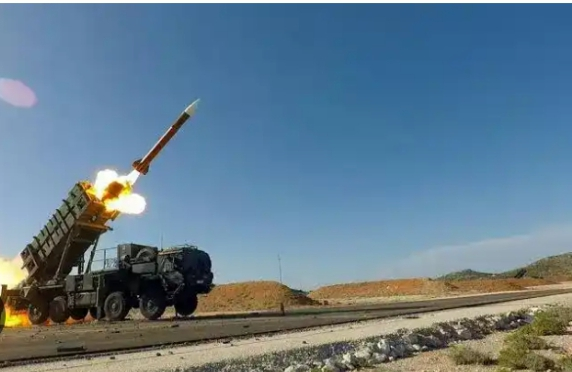
The US war on Iran cost an estimated $3.7bn during the first 100 hours of military operations, according to new research from the Washington-based Center for Strategic and International Studies (CSIS).
The analysis highlights the enormous financial burden of the conflict as the United States continues large-scale air strikes alongside Israel against Iranian targets.
Researchers said the spending amounts to nearly $900m per day, driven largely by the heavy use of advanced weapons and munitions.
The conflict, which entered its seventh day on Friday, has involved stealth bombers, precision missiles and extensive support operations, making it one of the most expensive early phases of a modern military campaign.
The report’s authors, defence analysts Mark Cancian and Chris Park, said only a small portion of the spending was already allocated in the existing defence budget. They estimate about $3.5bn of the total cost was not budgeted for, meaning the Pentagon may soon need to seek additional funding from Congress.

This growing financial pressure could present a political challenge for President Donald Trump’s administration. Any request for additional funds could become a rallying point for critics of the war, particularly at a time when many Americans are already worried about inflation, rising living costs and higher fuel prices linked to the conflict.
The analysis notes that the United States has used more than 2,000 munitions of various types in the opening phase of the war. Replacing these weapons alone could cost around $3.1bn, with an estimated replenishment rate of about $758m per day if the pace of operations continues.
Because the US Department of Defense has released limited details about its military operations, the CSIS researchers based their estimates on data from the Congressional Budget Office.
They calculated operational costs for deployed units, adjusted for inflation and troop levels, and added an additional 10 percent to reflect the higher tempo typical of the opening phase of a conflict.
The report suggests the initial pace of operations is often the most intense stage of a war. While air campaigns usually slow somewhat after the opening period, the researchers warn that the cost of Iran war operations will remain substantial even if the tempo decreases.
US Defence Secretary Pete Hegseth has indicated that military operations could expand further. He said the bombardment campaign against Iran is “about to surge dramatically,” with more fighter squadrons, additional defensive systems and more frequent bomber missions expected.
Such expansion would significantly increase the US military spending Iran conflict figures in the coming weeks, adding further pressure to the defence budget.
The report compares the situation to previous US wars, noting that earlier conflicts such as the Iraq and Afghanistan wars required large supplemental budget requests from Congress.
The administration of former President George W Bush relied on similar emergency funding to sustain military campaigns abroad.
According to the researchers, the Pentagon could again seek a supplemental appropriation to cover both the war’s direct costs and other unexpected expenses related to the broader conflict.
However, securing congressional approval could prove politically difficult.
Members of Congress are already concerned about the growing federal deficit and the rising cost of servicing the national debt.
A new war funding request could intensify debates over federal spending priorities and deepen divisions within the government.
Newsmen reported from Washington that the scale of the spending may already be surprising many lawmakers. She said the Pentagon is believed to be preparing a supplemental request worth about $50bn to replace weapons used during the first week of the war.
This funding would help replenish stocks of Tomahawk cruise missiles, Patriot air defence missiles and THAAD interceptors that have already been deployed during the campaign. Additional funds would also cover equipment damage, maintenance and operational wear.
Jordan noted that the military’s “burn rate” – the speed at which it is consuming resources – has been extremely high in the early days of the conflict. If the war continues at its current intensity, costs could rise rapidly beyond the initial estimates.
Beyond the financial impact, the conflict has also had a severe human toll. According to the Iranian Red Crescent, more than 1,332 people have been killed in Iran since the US and Israeli bombardment began.
UNICEF says at least 181 children are believed to be among the dead.
Violence has also spread beyond Iran’s borders. In Lebanon, Israeli strikes have killed at least 123 people this week, according to the country’s Ministry of Public Health, as fighting expands across multiple fronts.
The conflict has also resulted in casualties among other nations involved in the region. At least six US servicemen have been reported killed during the fighting, while 11 people have died in Israel. Gulf Arab countries have also reported nine deaths linked to the conflict.
Read also: US sinks Iranian warship: Ayatollah demands Trump’s blood in retaliation
As the war continues, analysts warn that both the Pentagon war funding debate and the humanitarian consequences of the fighting are likely to intensify. With military operations expanding and financial costs climbing rapidly, the US defence budget pressure created by the conflict may soon become one of the most contentious issues facing lawmakers in Washington.
About The Author