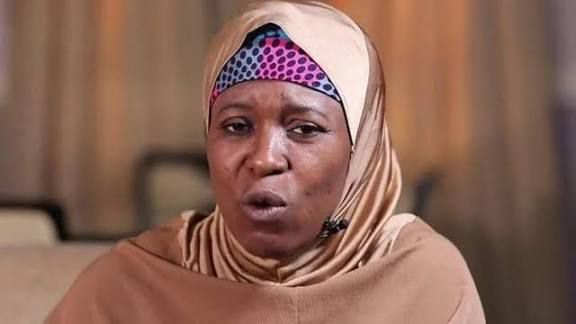
A senior Iranian cleric, Ayatollah Abdollah Javadi Amoli, has demanded the “shedding of Trump’s blood” after the US sinks Iranian warship Iris Dena in the Indian Ocean.
The attack, which involved a submarine-launched torpedo, killed at least 87 crew members and injured dozens more, marking one of the deadliest strikes in the escalating conflict between Washington and Tehran.
Speaking on state television, the ayatollah warned that the United States would “bitterly regret” its actions and described the strike as pushing Iran toward a “great test,” highlighting the tension and volatility gripping the region.
The Iris Dena torpedo attack represents the first time a US-launched torpedo has sunk an enemy vessel since World War II, according to Pete Hegseth, the US defense secretary. Hegseth framed the action as a demonstration of overwhelming US military power, asserting that the Iranian navy now lies “at the bottom of the Persian Gulf.”
For Iran, the sinking of the warship is seen as a direct act of aggression that has galvanized calls for revenge among hardline clerics and military leaders.
The attack has not remained confined to Iranian waters. Violence has spilled into neighboring countries, with Iranian drones recently striking an airport and school in Azerbaijan. In response, Azerbaijan vowed to retaliate with an “iron fist” and temporarily closed its airspace for 12 hours.
Tehran denied involvement in these attacks, but the incidents have heightened regional tensions and raised international concern over the potential for further escalation.
Within Iran, the conflict has intensified dramatically. Residents of Tehran have reported some of the heaviest bombardments since the start of the war, with strikes targeting military installations, communication networks, and key infrastructure.
The ayatollah emphasized that the attack on the warship, carried out in Sri Lankan waters, signaled that Iran was on the verge of a decisive moment. He called for “the shedding of Zionist blood” alongside targeting US leadership, declaring: “Fight the oppressive America, his blood is on my shoulders.” This rare direct call for vengeance from one of Shiite Islam’s highest-ranking clerics underscores the severity of the crisis.
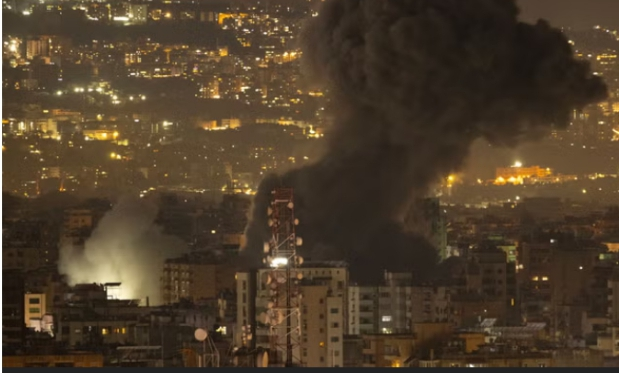
The conflict has spread beyond Iran and Azerbaijan. Israeli forces have conducted targeted strikes against Iranian-backed Hezbollah positions in southern Lebanon.
These operations prompted tens of thousands of civilians to flee across the border into Syria and displaced over 80,000 within Lebanon itself, according to the UN refugee agency (UNHCR).
The strikes in Lebanon are part of a broader pattern of regional escalation, with multiple countries now affected by drone attacks, missile launches, and naval confrontations.
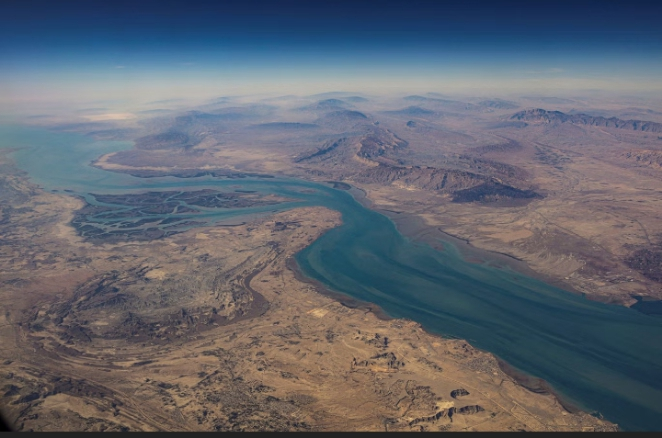
Iranian forces have also claimed responsibility for setting fire to a US tanker in the northern Gulf, raising fears over disruption of oil supplies passing through the Strait of Hormuz, one of the world’s most critical chokepoints for energy transport.
The Revolutionary Guards warned that any vessel passing through the Strait would fall under Tehran’s control while hostilities continue, creating the potential for major disruptions in global oil markets and sending prices sharply higher.
The humanitarian toll of the conflict has been severe. More than 1,230 people have been killed in Iran since the conflict intensified, while at least 70 have died in Lebanon and around a dozen in Israel. Iranian strikes on US military installations in the Gulf claimed the lives of at least six American soldiers.
Beyond the fatalities, thousands more have been injured, displaced, or left without access to basic services such as water, electricity, and medical care. The war has also blocked access to major ports in the Gulf region, affecting food and energy supplies for over 50 million people who rely heavily on imported goods.
US Central Command reports that over 20 Iranian vessels were destroyed in retaliatory strikes across the Gulf. The operations, carried out with overwhelming firepower from air, land, and sea, reportedly reduced Iranian drone launches by 73 percent and ballistic missile activity by 86 percent over a four-day period.
Despite these setbacks, Tehran has vowed to continue its campaign, warning that any further attacks will be met with severe consequences.
International observers have expressed deep concern over the widening conflict. Neighboring countries including Turkey, Cyprus, Saudi Arabia, the United Arab Emirates, Bahrain, and Oman have all reported incidents related to the hostilities, primarily in the form of drone or missile attacks, while global shipping routes remain at risk.
Analysts warn that the combination of naval confrontations, drone attacks, and airstrikes could destabilize the entire Gulf region, with far-reaching economic and political consequences.
The conflict also carries the risk of drawing in other global powers. With the United States asserting its military dominance in the region and Iran showing no signs of backing down, the situation could escalate into a larger confrontation involving international actors.
The targeting of commercial vessels, ports, and oil tankers raises the stakes not only for the countries directly involved but also for the international community, which depends on the Persian Gulf for a significant portion of global energy supplies.
Amid the chaos, Ayatollah Abdollah Javadi Amoli’s statements reflect the deep-seated anger and determination within Iran’s hardline clerical leadership. By demanding the blood of President Donald Trump, the cleric has made clear that Iran views the US submarine strike as an existential threat to its sovereignty and regional influence.
The rhetoric is intended to rally domestic support and send a message to the international community that Iran will not submit to external military pressure without retaliation.
As the situation develops, attention is focused on the Strait of Hormuz, the contested waterways of the Gulf, and the broader Middle East. Shipping traffic has been severely disrupted, with container vessels heading to ports in the United Arab Emirates, Qatar, Saudi Arabia, Bahrain, and Kuwait stranded or delayed.
Analysts warn that prolonged instability in the region could further exacerbate global energy prices, while humanitarian consequences continue to mount for civilians caught in the crossfire.
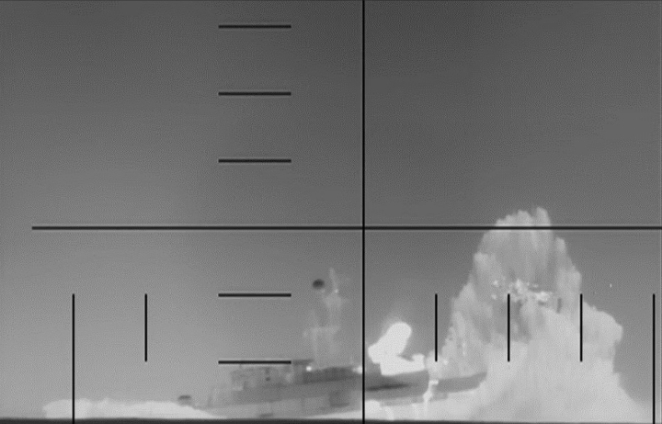
The US sinks Iranian warship incident has become a flashpoint in an already volatile geopolitical environment. With both sides demonstrating a willingness to escalate, the potential for miscalculation or accidental conflict remains high.
International diplomatic efforts have so far been limited, and the ongoing strikes and counterstrikes suggest that the region may face an extended period of instability.
In summary, the US submarine attack on the Iris Dena has ignited a wave of retaliation and violence across the Middle East. Ayatollah Abdollah Javadi Amoli’s call for revenge against Donald Trump underscores the high stakes and ideological fervor driving Iran’s response.
With drone strikes, naval confrontations, and missile launches affecting multiple countries, the region faces a severe humanitarian crisis and potential global economic impact.
As Tehran and Washington remain locked in confrontation, the Middle East teeters on the edge of a broader and more dangerous conflict, with consequences that could reverberate worldwide.
Read also: Cluster missile strike on Tel Aviv: Iran bombardment sparks fires, major damage across Central Israel
About The Author