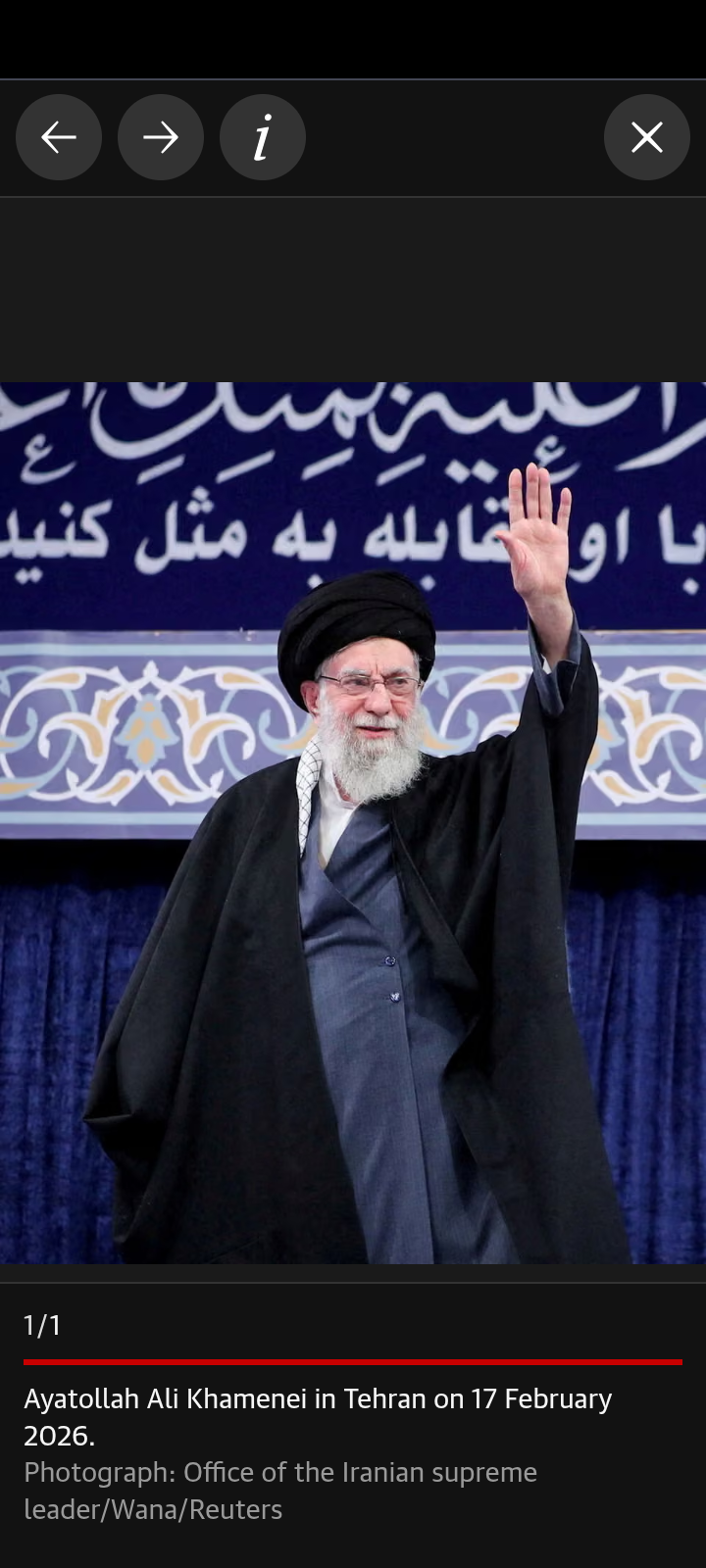

Trump under fire from Democrats as his administration faces mounting criticism over its military campaign in the Middle East. Lawmakers question the legitimacy of the US justification for Iran attacks and warn of escalating conflict.
Israel pounds Lebanon with targeted airstrikes on Hezbollah sites, including residential-adjacent areas in Beirut and the southern suburbs, raising concerns about civilian casualties and creating urgent demand for humanitarian aid in the affected regions.
Retaliatory strikes in the Middle East continue to grow, with Iran launching attacks on US and Israeli targets. Reports indicate damage to a Dubai consulate and port facilities in Fujairah, heightening regional tensions.
The death toll in Iran and Lebanon now exceeds 800 in each country. Hospitals are overwhelmed, emergency services strained, and aid organizations struggle to provide sufficient medical care and shelter to displaced populations.
Strait of Hormuz tensions escalate as Iran threatens closure of the vital shipping lane. President Trump announced that US naval forces will escort oil tankers, ensuring uninterrupted energy transit and deterring further disruption of global markets.
Democrats and critics warn the US could face a prolonged ground assault, describing the current situation as “open-ended” with no clear end in sight.Opposition lawmakers call for congressional oversight of military actions.

US justification for Iran attacks has prompted international scrutiny. Allies, including European partners, emphasize diplomacy over escalation, warning that unchecked military action risks destabilizing the broader Middle East and worsening humanitarian crises.
Israel pounds Lebanon in a continuing effort to disrupt Hezbollah’s operational capabilities. Analysts note that although precision strikes are intended to degrade militant infrastructure, civilian casualties and retaliatory responses remain significant risks.
Retaliatory strikes in the Middle East are affecting regional trade and energy supply. Damage to ports and oil installations has caused delays, forcing some international shipments to reroute, while insurance costs for tankers are increasing sharply.
Strait of Hormuz tensions have also raised concerns among global energy markets. The waterway carries a significant portion of the world’s oil shipments, and even brief closures could ripple into higher fuel prices internationally.
International organizations are monitoring the conflict closely. Humanitarian agencies report urgent needs for food, water, and medical assistance, while calls for ceasefires and peace negotiations are mounting amid growing public and political pressure.
US justification for Iran attacks relies on the premise of preventing threats to American personnel and allies. Critics argue this reasoning is not fully substantiated, and that alternative diplomatic solutions were insufficiently pursued.
Israel pounds Lebanon as part of a broader strategy to reduce Hezbollah’s influence in the region. While military officials describe the strikes as tactical, local residents report widespread damage to homes, schools, and civilian infrastructure.
Retaliatory strikes in the Middle East demonstrate Iran’s strategic approach, including missile and drone attacks aimed at counterbalancing US and Israeli military pressure without fully committing to open conflict.
Strait of Hormuz tensions remain a central concern for naval planners. US and allied forces are patrolling the waterway to prevent any Iranian attempts to block tanker traffic and to ensure the stability of global energy supplies.
The human impact of these strikes is severe. Displacement, injuries, and loss of life continue to mount, prompting calls for urgent humanitarian intervention and assistance from international relief organizations.
US justification for Iran attacks faces criticism both domestically and internationally. Lawmakers and experts argue for greater transparency regarding intelligence assessments and the legal basis for military operations in Iran and Lebanon.
Israel pounds Lebanon in ongoing operations, targeting strategic Hezbollah positions. Analysts warn that escalation risks creating a cycle of retaliation that could destabilize Lebanon, Syria, and surrounding nations, further complicating regional security dynamics.
Retaliatory strikes in the Middle East have disrupted oil production in Iraq. Key fields such as Rumaila and West Qurna 2 have slowed or temporarily halted operations, contributing to volatility in global energy markets.
Strait of Hormuz tensions have prompted commercial shipping firms to revise routing plans. Tankers avoid Iranian-controlled waters, rerouting through alternative paths when possible, while insurers adjust premiums to account for the increased geopolitical risk.
Military analysts highlight the risk of miscalculation. Retaliatory strikes in the Middle East could unintentionally escalate into wider conflicts if actions are not carefully coordinated between regional and international actors.
Humanitarian agencies emphasize the growing urgency for aid delivery. Civilians affected by the strikes in Lebanon and Iran face shortages of food, water, and medical care, increasing the potential for long-term crises if the conflict continues.
US justification for Iran attacks is also being debated in public media. Commentators question the proportionality and timing of strikes, arguing that insufficient clarity could erode public trust and international credibility.
Israel pounds Lebanon while attempting to neutralize Hezbollah’s capabilities. Precision targeting remains a priority, but concerns over collateral damage persist, raising the risk of additional retaliatory actions from Iran and allied groups.
Strait of Hormuz tensions continue as both sides maintain military readiness. Analysts suggest that any accidental engagement in the waterway could escalate into a larger confrontation, highlighting the fragile state of regional security.
Retaliatory strikes in the Middle East have affected civilian infrastructure beyond military sites. Power outages, damaged schools, and interrupted water supply have compounded the humanitarian challenges faced by local populations.
International pressure is mounting on all parties to halt hostilities. Diplomatic calls emphasize de-escalation, urging the US, Iran, and Israel to pursue negotiation channels to prevent further civilian suffering and potential regional war.
Strait of Hormuz tensions and retaliatory strikes in the Middle East collectively illustrate the fragile geopolitical situation. Experts warn that without restraint, escalation could produce severe global economic and security consequences.
US policymakers are facing intense scrutiny as criticism grows over military strategy. Congress debates oversight measures, questioning the evidence and justification for recent strikes and emphasizing the need for accountability in foreign policy decisions.
Israel pounds Lebanon as military operations continue, despite calls for ceasefire. Observers note that regional stability hinges on careful management of conflict escalation, highlighting the importance of balancing military objectives with civilian safety.
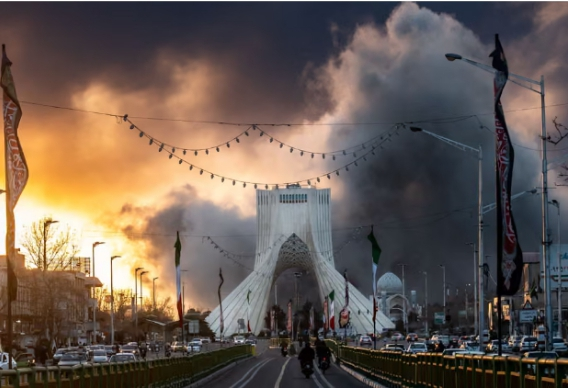
Retaliatory strikes in the Middle East are increasingly sophisticated, with Iran leveraging missile, drone, and proxy tactics to challenge US and Israeli dominance. Analysts emphasize that escalation could have widespread implications for regional security.
Strait of Hormuz tensions remain central to international energy concerns. Naval patrols and protective measures aim to ensure continuous maritime traffic, but the potential for conflict continues to threaten oil supply chains and global markets.
Humanitarian and political pressure mounts as civilians face the ongoing impact of strikes. International aid organizations call for immediate assistance, while lawmakers argue for strategic reassessment to prevent a protracted conflict.
Retaliatory strikes in the Middle East, combined with Israel’s continued air campaign, demonstrate the complexity of the current crisis. Regional actors and global powers are watching closely, knowing that missteps could trigger far-reaching consequences.
Read also: Civilian deaths in Iran pass 700 as US-Israel war intensifies and regime tightens grip
About The Author