

Iran wants talks after Khamenei killing, according to Donald Trump, who said Tehran has approached Washington for discussions following US-Israeli airstrikes that killed Iran’s supreme leader and senior officials.
The statement marks the first sign of potential diplomacy since the dramatic escalation that reshaped the Middle East security landscape.
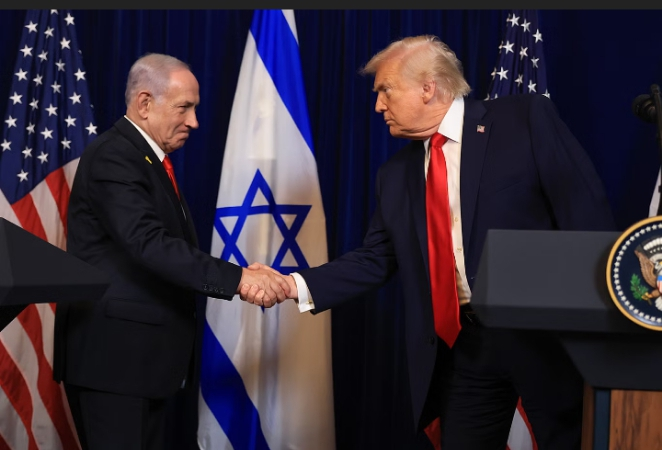
Speaking to American media, Trump said Iranian leaders had delayed engagement but were now seeking dialogue. “They want to talk, and I have agreed,” he said, adding that negotiations could begin soon. He suggested earlier talks might have prevented the crisis.
Iranian state media confirmed the death of Ayatollah Ali Khamenei in coordinated strikes carried out by US and Israeli forces in Tehran. The killing has triggered political shockwaves inside Iran and across the region, creating uncertainty over succession and internal stability.
The Iran leadership crisis has intensified as multiple senior commanders were also reportedly killed. Trump claimed dozens of high-ranking figures had been eliminated, describing the operation as “moving rapidly” and “ahead of schedule.”
Iran’s foreign minister Abbas Araqchi reportedly told Oman that Tehran was open to “serious efforts at de-escalation.” Omani officials said discussions focused on preventing wider regional conflict and safeguarding maritime routes.
Despite diplomatic signals, Iran retaliation strikes have continued. Explosions were reported in parts of the Gulf region, and drones were intercepted near key airports. Iranian officials warned further responses could follow if military operations persist.
Three American service members were confirmed killed during the strikes, with several others injured. US Central Command said the casualties occurred during active operations linked to the Iran campaign.
Trump warned that any further retaliation against US assets would prompt a severe response. “We will hit them harder than ever,” he said, underscoring Washington’s readiness for continued confrontation even as talks loom.
In Israel, prime minister Benjamin Netanyahu said operations would continue to dismantle Iran’s military infrastructure. He described the campaign as necessary for national security and regional stability.
Regional governments have responded cautiously. Gulf states heightened air defences, while global oil markets reacted nervously to threats around major shipping lanes.
The Iran diplomatic talks prospect remains uncertain. Analysts note that leadership transition inside Tehran could complicate negotiations, particularly if hardline factions seek escalation instead of compromise.
Former Iranian president Mahmoud Ahmadinejad was also reported killed in the strikes, further deepening the political vacuum. Iranian authorities have not yet outlined a clear succession pathway.
International observers say Oman’s mediation role could prove decisive. Muscat has previously facilitated backchannel discussions between Washington and Tehran during periods of high tension.
Meanwhile, civilian casualties inside Iran have drawn global concern. Iranian officials reported significant deaths following strikes in southern provinces, though US authorities said they were reviewing the reports carefully.
Humanitarian groups urged restraint. A regional aid spokesperson said civilians were “bearing the heaviest burden” as infrastructure damage spreads and essential services face disruption.
Energy security concerns have intensified as tensions threaten oil transit routes. Economists warn prolonged instability could affect global crude supply and shipping insurance costs.
While Trump maintains that diplomacy is now possible, scepticism remains about the durability of any talks. Iran’s internal politics and public anger over Khamenei’s killing may limit flexibility.
The Iran wants talks after Khamenei killing development therefore represents both a potential turning point and a fragile opening in a fast-moving conflict.
Read also: King Charles’s US visit faces jeopardy amid Trump ties, Epstein fallout
About The Author


