A cluster missile strike on Tel Aviv by Iran sent shockwaves across central Israel on Thursday night, causing extensive damage and igniting multiple fires in the city and surrounding areas.
The assault marks a sharp escalation in the ongoing conflict between Iran and Israel, highlighting the growing sophistication and intensity of attacks targeting major population centers.
According to Channel 12, several fragments from the missiles fell across Tel Aviv and neighboring districts, damaging buildings and infrastructure. Eyewitnesses reported fires in at least three locations across the metropolitan area, while emergency services rushed to contain the flames and assist residents affected by the bombardment.
The Israeli military confirmed that its missile defense systems were activated but noted that several projectiles successfully penetrated defensive measures.
The use of cluster munitions in the latest strike has raised serious concerns among both domestic authorities and international observers.
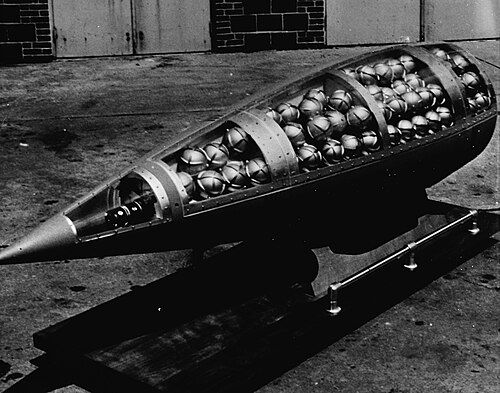
Cluster weapons are designed to disperse numerous smaller explosive submunitions over a wide area, increasing the potential for damage to civilian and commercial structures. Analysts warn that unexploded submunitions can remain dangerous long after an attack, posing long-term risks to residents.
Iran has conducted a series of missile and drone strikes targeting Israel and Gulf countries hosting U.S. military assets since February 28. The attacks have hit civilian sites, including residential buildings, ports, and logistical hubs, causing injuries and material losses.

Tehran has stated that the operations are retaliatory measures against what it describes as a U.S.-Israeli military campaign that has claimed hundreds of Iranian lives, including top military officials and, according to Iranian sources, Ayatollah Ali Khamenei.
Israeli media and security experts reported that the latest cluster missile strike on Tel Aviv involved projectiles that fragmented mid-air, scattering explosive submunitions across populated areas.
Residents described loud explosions and flashes in the sky, followed by widespread panic as emergency sirens blared throughout the city. Firefighters, police, and medical teams were dispatched to multiple neighborhoods to assist those affected and secure damaged areas.
The attack demonstrates a shift in Iran’s military strategy, according to defense analysts. By deploying cluster munitions, Tehran aims to saturate Israel’s missile defense systems, overwhelming interceptors and maximizing disruption in urban centers.
Israeli officials have warned that such strikes represent an escalation in both scope and intensity compared with previous missile barrages, signaling a new phase in the Iran-Israel confrontation.
Casualty figures from the latest strike have not yet been fully released, but emergency services confirmed injuries and extensive material damage.
Fires engulfed parts of residential and commercial buildings, while debris from exploded missiles created additional hazards.
Authorities in Tel Aviv have urged residents to follow civil defense guidelines, remain in shelters during alerts, and exercise extreme caution when moving through affected areas.
The broader conflict between Iran and Israel has increasingly spilled over into neighboring regions. Gulf states hosting American military installations have been targeted by drones and missiles, raising fears that the confrontation could escalate into a wider regional crisis.
International observers have called for restraint, warning that continued escalation may draw other countries into the conflict.
Security experts note that Tehran’s use of cluster munitions, combined with long-range missiles and drones, indicates a calculated effort to challenge Israel’s layered missile defenses.
Israel relies on systems like the Iron Dome and David’s Sling to intercept incoming projectiles, but the volume and dispersion pattern of cluster munitions make it difficult to neutralize every threat. The new strike in Tel Aviv demonstrates the vulnerability of major urban centers to such attacks.
The psychological impact on civilians has also been significant. Residents reported sleepless nights, constant sirens, and widespread anxiety as explosions rang out across the city.
Authorities have been urging calm, but the unpredictability of missile strikes and the risk of unexploded submunitions continue to create a climate of fear.
Iranian authorities framed the assault as a necessary response to Israeli and U.S. military actions. According to Tehran, previous operations by these forces have targeted Iranian leaders and military facilities, resulting in hundreds of deaths. Iranian state media have portrayed the missile campaign as a defensive measure and a warning against further attacks on Iranian interests.
The international community has expressed concern over the use of cluster weapons. Humanitarian organizations have long criticized such munitions due to the indiscriminate nature of their effects and the lasting danger posed by unexploded submunitions.
Observers emphasize that any civilian casualties from the Tel Aviv strike would constitute a serious humanitarian issue, further intensifying global scrutiny of the conflict.
Israeli authorities have reiterated their commitment to defending the nation while continuing operations against Iranian-backed forces. Officials emphasized that attacks on civilians or urban areas will be met with proportionate responses and vowed to bolster security measures in major cities.
Meanwhile, residents have been reminded to remain vigilant, stay in shelters during alerts, and report suspicious objects or unexploded debris.
The cluster missile strike on Tel Aviv highlights a disturbing escalation trend in the ongoing Iran-Israel confrontation. Analysts predict that both countries are likely to continue employing long-range missiles, drones, and other advanced weaponry as the conflict intensifies.
The risk of additional strikes against urban centers and strategic infrastructure remains high, raising questions about the potential humanitarian impact if the exchanges continue unchecked.
Diplomatic efforts to de-escalate tensions have been limited so far. Regional actors and international organizations have urged restraint, but both Tehran and Jerusalem continue to signal their readiness to maintain or intensify military operations.
The situation remains volatile, with the possibility that future strikes could extend beyond Israel and Iran into neighboring territories hosting military or civilian infrastructure.
For now, the Tel Aviv strike serves as a stark warning of the destructive potential of modern missile technology in urban conflicts. With fires raging and damage spreading across the city, residents are acutely aware of the human and material costs of continued escalation.
Analysts caution that without effective diplomatic intervention, the region may witness further attacks of similar scale and sophistication.
The unfolding events in Israel underscore the increasingly complex nature of modern warfare, where missile technology, drones, and cluster munitions can rapidly alter the dynamics of a conflict.
The cluster missile strike on Tel Aviv exemplifies this trend, demonstrating both the immediate impact on urban populations and the broader strategic implications for regional stability.
As emergency crews work tirelessly to contain fires and assist affected citizens, questions remain about the next steps for both Iran and Israel. International observers continue to monitor the situation closely, highlighting the urgency of measures to prevent further civilian casualties and infrastructure damage.
The Tel Aviv attack is likely to remain a defining moment in the ongoing confrontation, shaping military strategies, public perception, and diplomatic discourse in the weeks ahead.
About The Author