

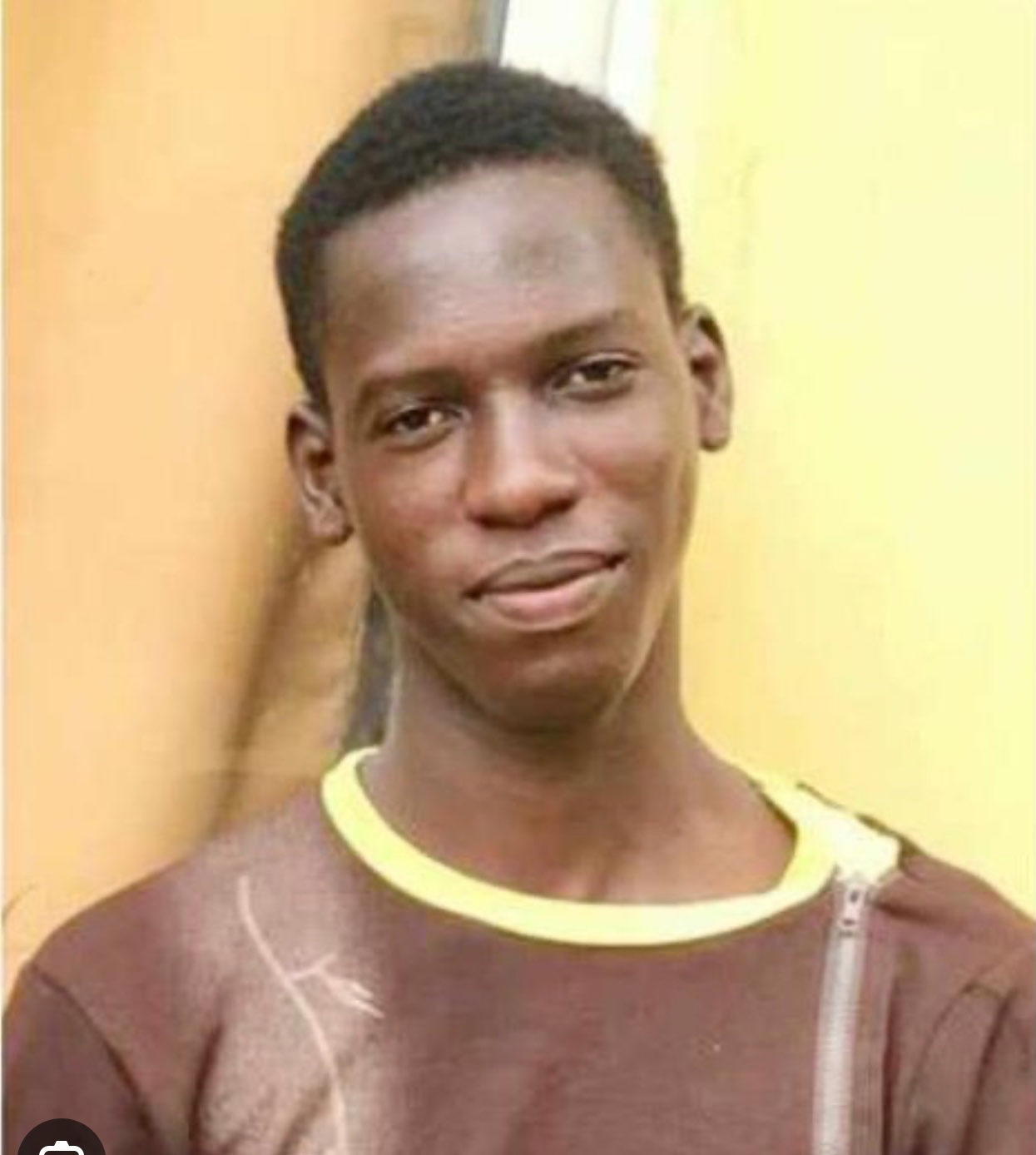
A Lagos State District Coroner, Mrs Temitope Oladele, has directed the Infectious Diseases Hospital (IDH), Yaba, to release the remains of journalist Pelumi Onifade to his family within 14 days, following years of waiting for an opportunity to bury their son.
The directive was issued during the ongoing coroner’s inquest into the death of the Gboah TV reporter, who reportedly sustained gunshot injuries while covering the #EndSARS protests in Lagos in October 2020 before subsequently dying in police custody.
The journalist’s remains have been kept at the Yaba hospital for nearly six years, a situation that has prolonged the family’s inability to conduct his burial.
Oladele gave the order after considering an application submitted by Alimi Adamu, counsel to the deceased’s family and Media Rights Agenda (MRA). The lawyer had approached the court to secure the release of the remains so that Onifade’s parents could finally make burial arrangements.
Under the directive, the hospital is expected to hand over the body, registered under identification tag number 1385, within 14 days of receiving the court order.
The development represents an important step for the bereaved family, although the legal proceedings aimed at establishing the circumstances surrounding the young journalist’s death are still ongoing.
Family seeks answers over journalist’s death
Onifade’s death dates back to October 2020, when the #EndSARS demonstrations against police brutality and alleged misconduct spread across several parts of Nigeria.
The reporter was reportedly carrying out his journalistic assignment during the protests when he was shot. He was subsequently taken into police custody and later died.
The circumstances surrounding the incident have continued to raise concerns among press freedom advocates and human rights organisations, particularly regarding the events leading to his arrest and what happened after he came under police custody.
The ongoing inquest is expected to examine the available evidence, hear from individuals connected to the incident and establish the circumstances that led to his death.
Although the latest order addresses the prolonged retention of his remains, the family and their representatives are still pursuing accountability through the judicial process.
Coroner summons witnesses to establish circumstances
At the latest sitting, the court also made fresh efforts to secure the participation of witnesses believed to have useful information about the events surrounding the journalist’s shooting, arrest and death.
Adamu informed the coroner that previous attempts to get one particular witness, who was reportedly present when Onifade was killed, to attend the proceedings had not been successful.
According to the lawyer, the individual could provide important details that might help the court understand how the journalist was arrested and the events surrounding his subsequent disappearance.
He explained, however, that the witness appeared uncomfortable with the idea of appearing physically before the court because of concerns about his personal safety.
To address the situation, Adamu requested permission for the individual to give evidence electronically, with appropriate safeguards to prevent the disclosure of his identity.
The application was considered by the coroner, who approved the use of WhatsApp for serving the witness summons.
The arrangement is expected to provide an opportunity for the witness to contribute to the investigation without necessarily appearing physically in the courtroom.
Another individual, Jimmy Michael, who was reportedly with Onifade at the time of the shooting, was also summoned to appear before the coroner.
Lagos Government’s lawyer explains witness absence
The absence of Michael was also discussed during the proceedings.
Adebola Araba, who represented the Lagos State Attorney-General, told the court that the witness had explained his inability to attend because of business engagements connected with the Christmas season.
Araba clarified that Michael had not rejected the invitation to participate in the inquest but had indicated that his business commitments would prevent him from attending at the time.
The court also considered the importance of obtaining evidence from the leadership of Gboah TV, the media organisation where Onifade worked before his death.
Michael Oluwajoba Bamiro, the station’s director, was identified as another relevant witness whose account could assist the coroner in understanding the circumstances surrounding the incident.
The coroner subsequently approved his appearance at the next sitting.
Onifade’s mother submits statement as evidence
In another development, the journalist’s mother, Bose Onifade, formally adopted her statement on oath before the court.
The document, which was filed on November 11, 2026, was admitted into evidence during the proceedings.
Her participation provides another opportunity for the family to place its account of events before the coroner as the investigation continues.
The family’s lawyer also asked the court to ensure that the official records clearly reflected the reason Onifade’s remains had remained in government custody for such an extended period.
Adamu explained that the body had been retained for forensic and judicial purposes, adding that formal documentation of the circumstances could assist with administrative arrangements connected to its eventual release.
One of the issues requiring attention, according to the lawyer, concerns storage charges and other administrative matters that could arise from the hospital’s long-term preservation of the remains.
Federal High Court ordered investigation in 2024
The coroner’s proceedings followed a judgment delivered by the Federal High Court in Lagos on July 19, 2024.
The court had directed the Lagos State Attorney-General to investigate the journalist’s death, conduct a coroner’s inquest and identify those responsible for the incident for possible prosecution.
The judgment provided a legal foundation for the investigation into the circumstances surrounding the reporter’s death.
The directive also underscored the need to establish what happened from the moment Onifade was reportedly shot during the protests until his eventual death.
For the family, the prolonged legal process has involved waiting for answers while the journalist’s remains stayed at the hospital.
The latest ruling may therefore bring some relief to his parents, who can now begin preparations for his burial, even as the search for answers continues.
The release of the body, however, does not bring the inquest to an end. The coroner is still expected to receive additional testimonies and examine evidence that could help establish the circumstances surrounding the incident.
The proceedings have been adjourned until December 15, 2026, when the court is expected to continue hearing the matter.
About The Author
