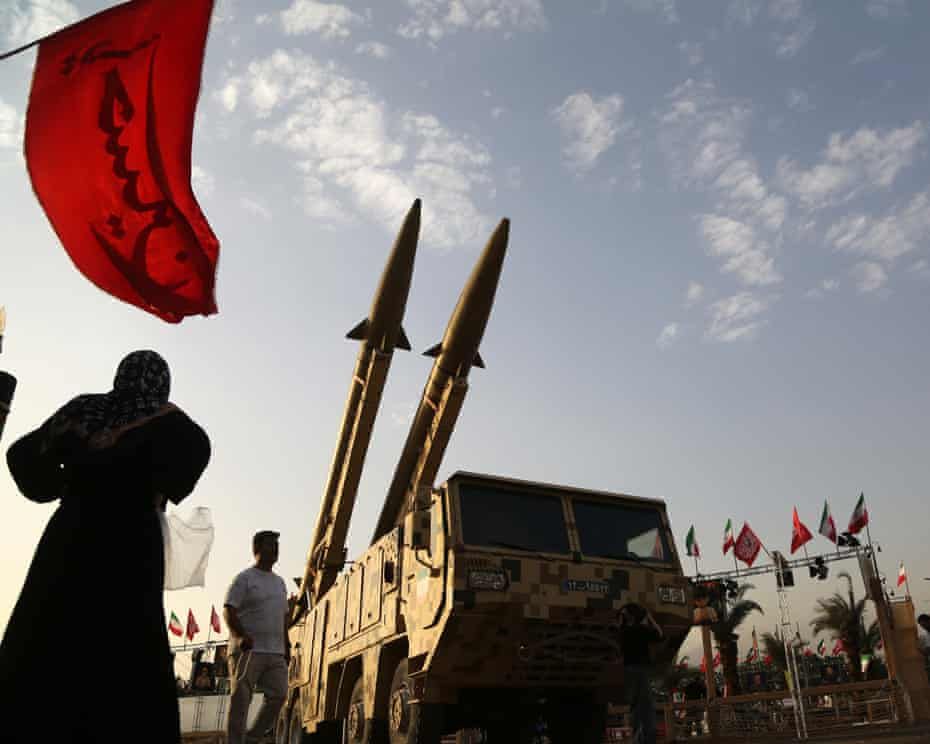
The Iran missile attack has dramatically escalated tensions across the Middle East after the United States intercepted a barrage of Iranian ballistic missiles before launching coordinated retaliatory strikes alongside Saudi Arabia against targets inside Iraq.
US Intercepts Missiles as Conflict Intensifies
According to US Central Command, the attempted missile assault targeted American forces stationed in Jordan, ending a brief lull in hostilities that had raised hopes diplomatic negotiations could prevent further regional escalation.
Washington described the barrage as “an attempted surprise attack,” insisting every Iranian missile launched during the operation was successfully intercepted before reaching its intended military objectives or causing casualties among American personnel.
US officials also warned that any additional attacks against American troops or Saudi Arabia’s critical energy infrastructure would trigger swift military retaliation, signalling a tougher response to future Iranian-backed military actions across the region.
Following the missile interceptions, American and Saudi warplanes carried out coordinated strikes against sites in Iraq allegedly used by Iran-backed militias responsible for launching recent attacks against Saudi oil installations and allied interests.
Iraq’s Popular Mobilisation Forces confirmed that several people were killed and others wounded during the airstrikes. The organisation, officially part of Iraq’s security apparatus, has long faced allegations of strong Iranian influence.
The latest military exchange shattered optimism created after both sides suspended attacks over the previous weekend. That temporary pause had fuelled expectations that diplomatic efforts might eventually produce a broader ceasefire agreement.
President Donald Trump had earlier expressed optimism, saying there was “a good chance” negotiations could make meaningful progress toward ending the conflict before violence spiralled into a much wider regional confrontation.
Oil Markets React as Shipping Routes Face Fresh Threats
Fresh concerns also emerged after Iran’s Revolutionary Guards claimed they intercepted and halted three oil tankers allegedly using an “illegal” shipping route through the strategically vital Strait of Hormuz.
The reported tanker incident immediately unsettled global energy markets. Brent crude oil climbed toward $88 per barrel as investors reacted to renewed fears that critical international shipping lanes could face prolonged disruptions.
The Strait of Hormuz remains one of the world’s most important energy corridors, carrying significant volumes of global crude exports. Any instability there quickly affects oil prices, inflation and worldwide economic confidence.
Meanwhile, Yemen’s Iran-backed Houthi movement intensified pressure by claiming responsibility for forcing a Saudi oil tanker to reverse course, reinforcing concerns about shipping security across another crucial maritime trade corridor.
The Houthis previously announced a blockade targeting Saudi-linked shipping through the Bab el-Mandeb Strait, creating additional risks for commercial vessels travelling between the Red Sea and international markets beyond the Middle East.
Britain’s United Kingdom Maritime Trade Operations Centre also reported that a commercial tanker heard explosions while sailing through the southern Red Sea, although officials confirmed both the crew and vessel remained safe.
Iraqi Prime Minister Ali al-Zaidi responded by ordering security agencies to investigate recent attacks linked to militant groups. He stressed Iraq remained committed to preventing its territory from threatening neighbouring friendly nations.
However, Iran-backed Iraqi militias strongly rejected allegations connecting them to recent drone attacks against Saudi oil infrastructure. They dismissed Saudi accusations as “fabrications” while suggesting Houthi forces conducted those operations independently.
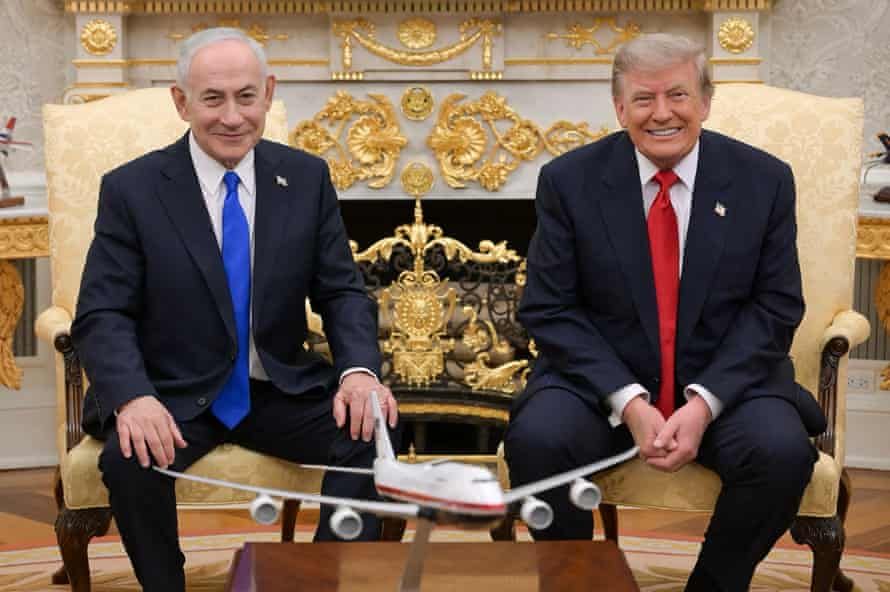
The renewed hostilities unfolded as Israeli Prime Minister Benjamin Netanyahu visited Washington for high-level discussions with President Trump. Their closed-door White House meeting reportedly lasted approximately ninety minutes and focused heavily on regional security.
White House Press Secretary Karoline Leavitt described the discussions as “positive and productive,” reflecting ongoing cooperation between Washington and Jerusalem despite earlier reports suggesting strains had emerged between both longtime allies.
Read also: Burnham tax warning: UK faces higher taxes or spending cuts, economists say
Both Trump and Netanyahu face mounting domestic political pressure as the conflict continues affecting economic stability. Rising fuel prices, inflation concerns and public fatigue over prolonged military operations have intensified demands for lasting peace.
The Iran missile attack has therefore reignited fears of broader regional conflict involving multiple countries. With military responses intensifying and vital shipping routes under renewed threat, prospects for immediate de-escalation remain increasingly uncertain.