Iran deal Strait of Hormuz is close according to Tehran and Muscat, but Iran says the US must act before the waterway fully reopens. Foreign Minister Abbas Araqchi made the announcement Saturday in Cairo.
Araqchi said talks with Oman on a new shipping route are “very close.” Oman’s foreign ministry called negotiations “positive and constructive.” Both countries border the strait that moves about 20% of global oil.
A US official told Reuters Friday that Washington expects an agreement soon. Normal oil traffic could resume if Iran complies. In return, the US would lift its blockade of Iranian ports.
Tehran pushed back on that framing. Reopening is not automatic, Araqchi said. The previous traffic separation scheme is “no longer acceptable.” Iran wants a temporary route now and a permanent legal deal later.
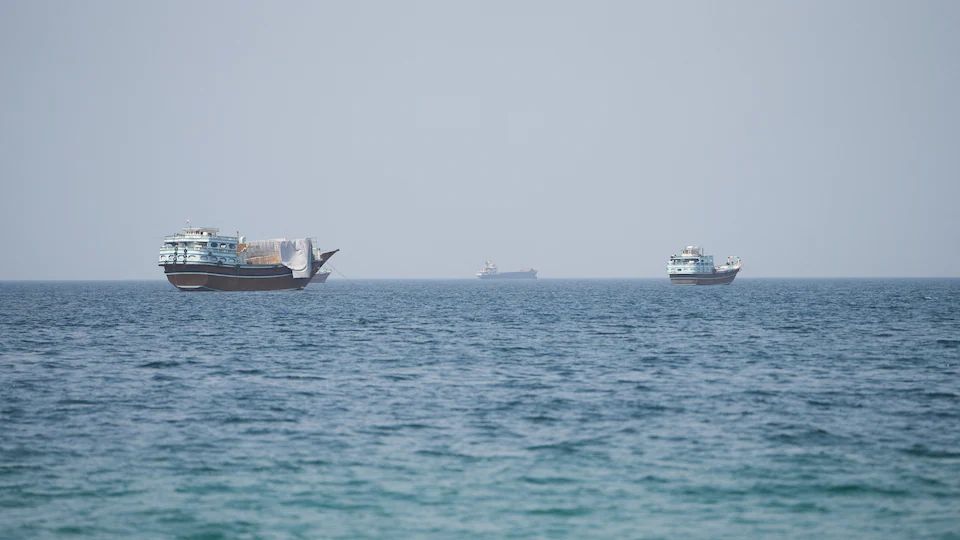
The Revolutionary Guards set a harder line. Spokesperson Hossein Mohebbi said reopening depends on Washington accepting Iran’s demands. He told Tasnim the Oman talks alone are insufficient.
“Hormuz shipping crisis 2026” has disrupted energy markets for five months. Since February 28, US and Israeli strikes on Iran triggered retaliation. Tehran began targeting ships and charging tolls in the strait.
The UAE reported a new escalation Saturday. It said Iran hit an ADNOC-affiliated carrier with a missile in Hormuz. No injuries occurred. The fire was extinguished with no environmental damage.
UKMTO also confirmed a vessel fire after an unknown projectile. Oman condemned attacks on ships without assigning blame. Muscat urged all sides to avoid actions that could derail negotiations.
Iran listed broad demands beyond shipping. Security chief Mohammad Baqer Zolqadr cited ending US threats, stopping attacks on allies, lifting sanctions and blockades, and releasing frozen Iranian assets.
President Masoud Pezeshkian said now is the best moment for a deal. State media quoted him saying Iran feels “victorious and powerful” and unified after months of conflict with the US and Israel.
“Iran Oman negotiations” are the current diplomatic track. Muscat has mediated before between Tehran and Washington. Its neutrality makes it acceptable for technical arrangements on navigation and safety.
Sources told Reuters this week a draft deal would give Iran some control over Gulf entry. That proposal alarmed Washington. US officials have repeatedly said they will not accept Iranian veto power.
The strait is legally international waters. About 21 million barrels of oil pass daily. Insurance premiums have doubled since February. Some tankers now sail around Africa, adding two weeks.
Market reaction was immediate. Oil benchmarks rose after the UAE attack. Traders fear any miscalculation could close Hormuz and push prices above $120 per barrel.
Iran has justified tolls as self-defense. Ships that enter without permission face warnings or fines. The Guards say this responds to US aggression and protects Iranian sovereignty.
Washington links relief to behavior. The US official said sanctions relief would follow verified reopening. No compensation would be paid, rejecting one of Tehran’s key demands.
Regional exporters are watching closely. Saudi Arabia, Iraq, Kuwait and Qatar all ship through Hormuz. They want stability but fear legitimizing Iranian control over the channel.
Europe backs the Oman track. EU diplomats argue shipping safety should be separated from nuclear talks. They have urged both sides to protect freedom of navigation.
China and India also pressed Tehran. Both buy discounted Iranian crude. Their refineries need stable Gulf flows. Beijing and New Delhi offered to help monitor any interim route.
Inside Iran, politics are split. Hardliners support the Guards’ maximalist stance. Moderates around Pezeshkian want sanctions relief to ease 40% inflation. The dual messaging reflects that tension.
“Strait of Hormuz missile attack” is not new. Since February, drones, mines and missiles have targeted tankers. Crews now use armed guards and electronic countermeasures to transit.
The US has signaled optimism before. Each time Iran denied a deal existed. This time Oman’s public confirmation gives the talks more weight, diplomats in Muscat said.

Legal teams are drafting a temporary corridor. It would cover navigation lanes, safety checks, and dispute resolution. A permanent treaty would address sovereignty and environmental rules later.
Tehran wants more than shipping. Araqchi said US compensation is required. Washington has ruled that out. That gap could stall the deal even if Oman and Iran agree technically.
The Guards warned against false hope. “Whenever the United States accepts Iran’s conditions, the Strait of Hormuz will certainly be reopened,” Mohebbi said, per Tasnim.
Military analysts say Iran is using the strait as leverage. By threatening closure, it forces Washington to the table. By offering talks, it avoids full war while keeping pressure on.
For shipping companies, uncertainty is costly. Delays at Jebel Ali and Fujairah are growing. Some owners refuse Gulf transits without escorts. Others pay Iran’s toll to pass.
The UN called for restraint. The Secretary-General warned a closure would trigger a global energy shock. Humanitarian aid to Yemen and Iraq also moves through the same waters.
Saudi officials met Omani mediators this week. Riyadh wants guarantees Iran will not inspect Saudi tankers. Oman says technical safeguards can address that concern.
Back in Tehran, Pezeshkian faces pressure. Fuel and food prices rise weekly. A deal that eases sanctions could help him politically ahead of 2027 elections.
Read also: Russian drones kill 3-year-old boy, grandparents near Kyiv, Zelenskiy says
Washington is also under pressure. US gas prices have climbed. The administration wants the strait open before winter. But it cannot appear to reward missile attacks.
Diplomats say a phased approach is likely. Phase one: Oman-Iran route and US pause on new sanctions. Phase two: broader US-Iran talks on assets and security guarantees.
Until then, risk remains high. The UAE incident proves one strike can spike markets. One more could shut the waterway and force a naval confrontation.
Iran says it prefers diplomacy with dignity. The US says it prefers open seas without concessions. Oman is trying to bridge that gap one ship at a time.
The world is waiting. If the Iran deal Strait of Hormuz is finalized, markets will calm. If not, the chokepoint will keep the global economy hostage.
About The Author