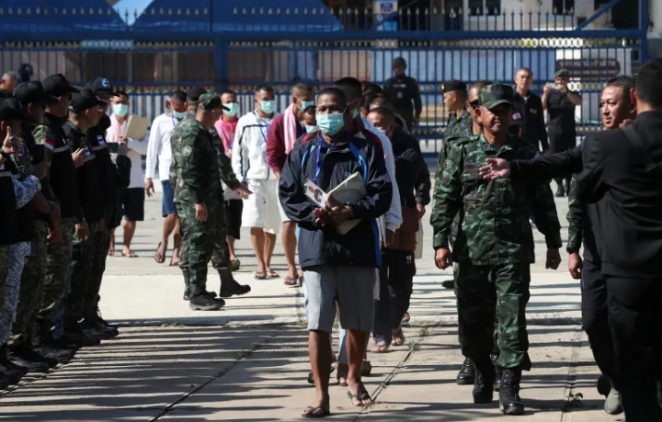
Saudi Yemen bombing has triggered UAE withdrawal from Yemen, exposing sharp fractures inside the Gulf-backed coalition as Riyadh accuses Abu Dhabi of backing separatists and threatening Saudi national security.
Saudi Arabia on Tuesday revealed new details of its bombing of Yemen’s southern port city of Mukalla, an operation that has rapidly escalated tensions with the United Arab Emirates and pushed Abu Dhabi to announce the withdrawal of its remaining forces from the country.
The Saudi Yemen bombing, carried out by the Saudi-led coalition, targeted what Riyadh said was an unauthorised weapons shipment linked to the UAE and destined for separatist forces in southern Yemen.
Coalition spokesman Major General Turki al-Maliki said the strike followed the discovery of two vessels at Mukalla port carrying more than 80 military vehicles, containers of weapons, and ammunition.
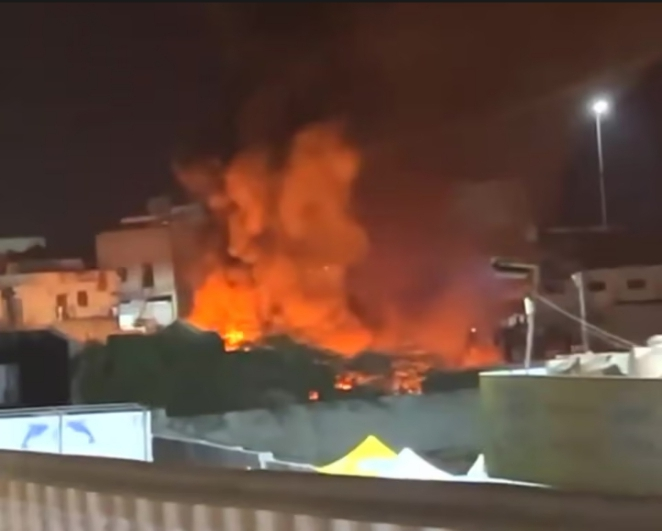
According to Saudi officials, the shipment was transferred to al-Rayyan military base along with Emirati personnel without prior coordination or notification to Riyadh, a move Saudi Arabia described as a serious breach within the coalition framework.
Saudi Arabia insisted the operation complied with established rules of engagement and stressed that the bombing caused no casualties.
Images released by the coalition showed damaged vehicles and equipment at the port, which Riyadh said confirmed the military nature of the shipment.
The Saudi Yemen bombing immediately strained relations with the UAE, a key coalition partner since the war began in 2015.
Shortly after the strike, the UAE announced it would withdraw its remaining “counterterrorism” forces from Yemen, declaring an end to its military mission there.
The announcement came after Yemen’s internationally recognised government, backed by Saudi Arabia, issued a 24-hour ultimatum demanding Emirati forces leave the country. Riyadh publicly supported that demand, further isolating Abu Dhabi.
The UAE’s Ministry of Defence said the decision followed a comprehensive review of its role in Yemen and cited concerns about the safety and effectiveness of its operations amid recent developments.
Abu Dhabi maintained that it was acting voluntarily and in a manner that ensured the security of its personnel, while also emphasising its commitment to regional stability and the security of Saudi Arabia.
At the heart of the dispute is the Southern Transitional Council, or STC, a separatist movement seeking an independent state in southern Yemen.
The STC had initially aligned with the Saudi-backed Yemeni government against the Houthi rebels, who control much of northern Yemen.
However, in recent weeks, STC forces launched a major offensive against government troops, seizing large areas of southern Yemen, including the strategic provinces of Hadramout and Mahara.
Saudi Arabia accused the UAE of pressuring and directing the STC to carry out military operations in those provinces, which border Saudi territory.
Riyadh described the STC’s advance as a direct threat to its national security and warned that it would not hesitate to take all necessary measures to neutralise any such threat.
The Saudi Yemen bombing was presented by Riyadh as part of that effort to prevent destabilisation along its borders.
Yemen’s presidential council chairman, Rashad al-Alimi, went further by dissolving a defence agreement with the UAE and ordering Emirati forces to leave within 24 hours.
In a televised address, al-Alimi said it had been definitively confirmed that the UAE supported the STC’s rebellion against state authority through military escalation, a claim Abu Dhabi has firmly rejected.
The UAE denied that the shipments targeted in the Saudi Yemen bombing contained weapons for separatist forces, insisting they were supplies for Emirati units operating in Yemen.
Abu Dhabi also said it was surprised by the Saudi air strike and called for de-escalation based on verified facts and existing coordination mechanisms.
The rapid escalation has raised concerns about the future of the Saudi-led coalition, which was formed nearly a decade ago to counter the Houthi movement.
While Saudi Arabia and the UAE have long shared opposition to the Houthis, their strategic priorities in Yemen have increasingly diverged, particularly regarding control of southern regions and support for local armed groups.
Regional actors moved quickly to ease tensions. Qatar welcomed statements from both Saudi Arabia and the UAE, saying they reflected a commitment to regional interests, good neighbourliness, and the principles of the Gulf Cooperation Council.
Diplomatic efforts also intensified, with Saudi Foreign Minister Prince Faisal bin Farhan holding talks with US Secretary of State Marco Rubio and Pakistan’s foreign minister on regional developments.
On the ground in Yemen, the situation remains volatile. Yemeni authorities imposed a temporary no-fly zone and sea and land blockade following the Mukalla strike, while state media showed plumes of black smoke rising from the port.
Despite pressure from Riyadh and Sana’a, the STC remained defiant, insisting it would not withdraw from newly seized positions and warning that any advance toward its forces would be met with resistance.
The Saudi Yemen bombing and the UAE’s subsequent withdrawal mark one of the most serious rifts within the Gulf coalition since the war began.
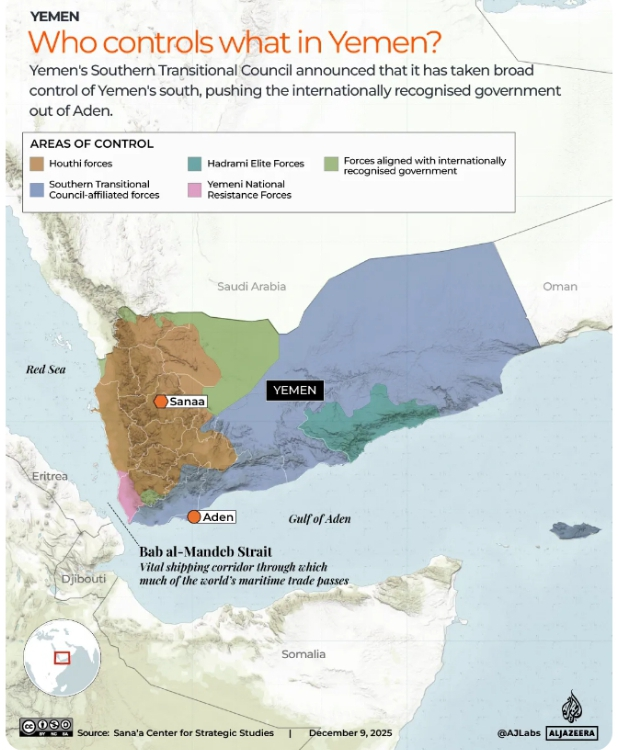
As fighting against the Houthis drags on and internal divisions deepen, the latest crisis underscores how competing regional ambitions are reshaping the conflict and complicating efforts to stabilise Yemen.
Read also:Iran warns of ‘severe’ response after Trump threatens new strikes