

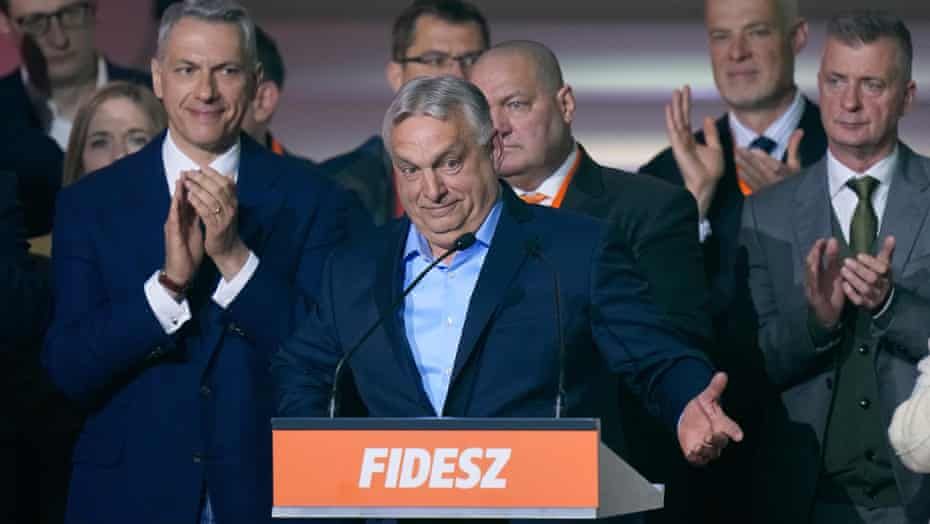
The Viktor Orbán defeat has sent shockwaves across Europe, ending a 16-year political era and ushering in a new chapter led by Péter Magyar in Hungary.
Hungarians delivered a decisive verdict against Viktor Orbán, voting in huge numbers to end one of Europe’s most entrenched political reigns in modern democratic history.
This was more than an election; it became a national reckoning shaped by economic frustration, governance concerns, and growing tensions with the European Union.
From polling stations to packed city squares, the energy surrounding the vote revealed a country ready for change, determined to rewrite its political story after years of deep division.
How Viktor Orbán Lost Power After 16 Years
H3: A Political Era Comes to an End
For over 16 years, Viktor Orbán dominated Hungary’s political system, reshaping institutions and centralising authority in ways critics argued weakened democratic safeguards across the country.
His government rewrote electoral rules, expanded influence over the media landscape, and positioned loyalists across key institutions, creating a structure that proved difficult for opposition forces to dismantle.
Yet beneath that control, public dissatisfaction quietly grew, fuelled by economic strain, corruption allegations, and a widening disconnect between leadership priorities and everyday realities for citizens.
On election night, Orbán conceded defeat, calling the outcome “painful but unambiguous,” signalling the end of a powerful era that once seemed politically unshakeable.
The Rise of Péter Magyar and the Opposition
From Challenger to Victor
The Péter Magyar victory marks a remarkable political ascent, transforming a once-fragmented opposition into a united force capable of challenging entrenched power at the highest level.
Péter Magyar campaigned tirelessly, addressing crowds across the country and promising transparency, accountability, and a renewed relationship with European institutions.
His message resonated strongly with voters frustrated by corruption concerns and declining public services, offering a vision of governance rooted in fairness and national renewal.
Speaking to supporters, he declared, “We have done it,” capturing the magnitude of a victory driven by collective action and widespread public determination.
Hungary Election Results 2026 Explained
A Landslide Victory
The Hungary election results 2026 confirmed a sweeping transformation, with the opposition securing a commanding parliamentary majority capable of reshaping Hungary’s legal and political framework.
With a super-majority in parliament, the new leadership now holds the power to amend key laws and potentially reverse policies introduced during Orbán’s time in office.
Fidesz, once dominant, suffered a dramatic decline, reflecting the scale of voter dissatisfaction and the effectiveness of a unified opposition strategy.
Analysts described the outcome as a decisive rejection of the previous administration’s governance style and a clear mandate for systemic reform.
Scenes of Wild Jubilation Across Hungary
Streets Erupt in Celebration
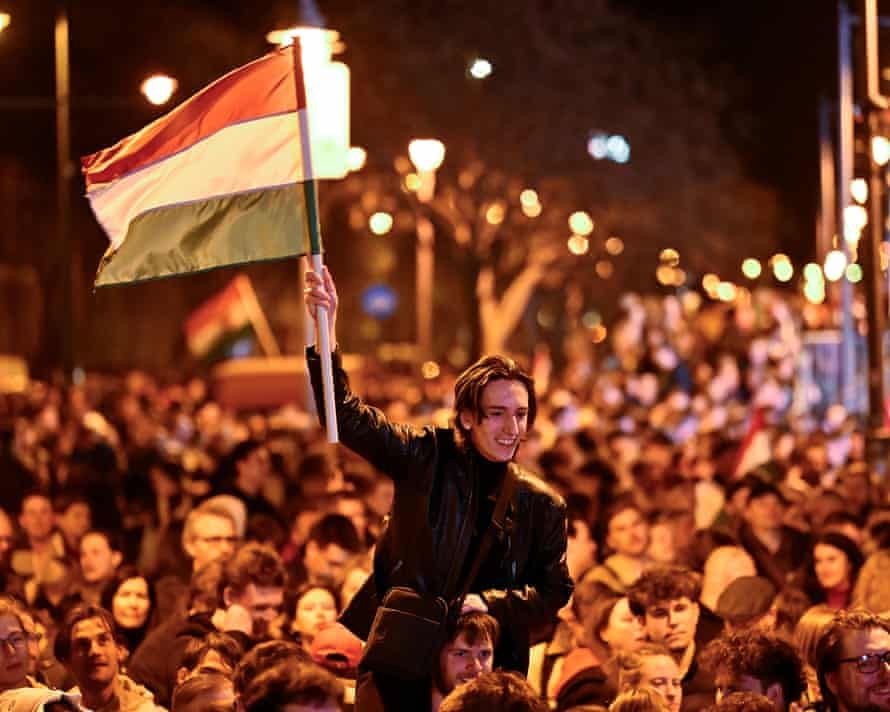
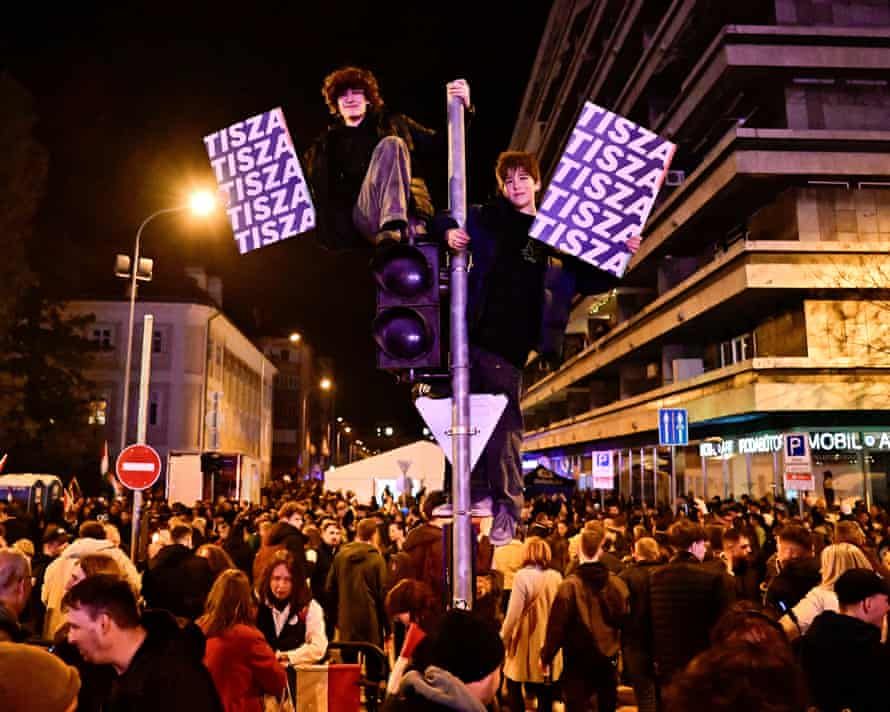
As results confirmed the Viktor Orbán defeat, cities across Hungary erupted into wild celebrations, with thousands flooding the streets waving flags, chanting, and embracing in emotional scenes.
In Budapest, crowds gathered along the Danube River, singing, cheering, and shouting “We did it!” as fireworks illuminated the skyline in a powerful display of collective joy.
Supporters climbed monuments, waved banners, and captured historic moments as the long-standing political order gave way to change.
The atmosphere was electric, with music, laughter, and chants echoing through the night, transforming public spaces into symbols of renewed national hope and unity.
Emotional Reactions Capture a Nation’s Mood
Tears, Hope and Relief
Tears flowed freely as strangers embraced, sharing deeply emotional moments that reflected both relief and optimism after years of political tension and uncertainty across Hungary.
Young voters celebrated passionately, chanting “It’s over!” in metro stations and public squares, marking what many described as the most important election of their lives.
One supporter said, “This feels like we are getting our country back,” capturing the emotional weight carried by millions who longed for political change.
Even critics of Viktor Orbán acknowledged the significance of the moment, describing it as “a new beginning” filled with cautious but genuine optimism.
Why Voters Turned Against Orbán
Economic and Social Pressures
Economic hardship played a central role in the Hungarian opposition win, with rising living costs and stagnant wages affecting households across the country in recent years.
Public anger intensified over corruption concerns and perceived inequalities, issues that became central themes in the opposition’s campaign messaging nationwide.
Critics argued that policies increasingly favoured elites while essential services such as healthcare and education suffered from underinvestment and neglect.
These pressures, combined with fatigue after prolonged one-party dominance, created a powerful wave of voter resistance that ultimately reshaped the political landscape.
Youth Voters Drive Change
A New Generation Speaks
Young voters played a decisive role in the election outcome, with a strong majority reportedly voting against the incumbent government and demanding a new direction for Hungary.
Many had grown up entirely under Orbán’s leadership, making this election their first opportunity to influence a major national political shift.
Their participation reflected a desire for openness, opportunity, and stronger alignment with democratic values shared across Europe.
This generational surge is expected to shape Hungary’s future political direction, ensuring continued pressure for transparency, reform, and accountability from leaders.
Impact on Hungary EU Relations
Resetting Ties with Europe
The Hungary EU relations outlook is expected to improve significantly, as the new leadership has pledged to rebuild trust and cooperation with European partners.
Under Orbán, tensions escalated due to disputes over rule-of-law concerns and Hungary’s stance on key international policies within the European bloc.
The incoming administration has signalled a willingness to adopt a more constructive approach while still safeguarding national interests.
European leaders welcomed the result, viewing it as an opportunity to strengthen unity and reinforce democratic values across the union.
Global Reactions to Viktor Orbán Defeat
A Turning Point Beyond Hungary
International reactions to the Viktor Orbán defeat highlight its broader global significance, particularly among leaders monitoring the trajectory of populist political movements.
Some analysts see the outcome as evidence that even deeply entrenched political systems can be challenged through democratic engagement and sustained voter mobilisation.
Leaders across Europe praised Hungarian voters, emphasising the importance of democratic participation in maintaining political stability and institutional integrity.
The result may influence political strategies in other countries facing similar ideological and governance debates in the years ahead.
Challenges Facing the New Government
Expectations and Reality
Despite the victory, the new government faces complex challenges, including economic limitations and deeply embedded institutional structures developed over more than a decade.
Experts warn that reforming these systems will require time, careful planning, and sustained political will from the new leadership.
Managing public expectations will be critical, as voters anticipate rapid improvements following the election’s dramatic outcome and campaign promises.
Balancing reform ambitions with governance realities will define the early success of the new administration.
The Future of Hungarian Democracy
A New Political Chapter
The Hungarian opposition win signals the beginning of a new era, offering an opportunity to rebuild democratic institutions and restore public trust in governance.
Observers believe the election demonstrates resilience within Hungary’s democratic framework, despite previous concerns about institutional erosion.
Sustaining this progress will require transparency, accountability, and continued engagement from citizens across all levels of society.
As Hungary moves forward, global attention will remain fixed on how this historic transition shapes its political and economic future.
Conclusion
The Viktor Orbán defeat represents a defining moment in Hungary’s modern history, combining political transformation with powerful public emotion expressed across the nation’s streets.
Read also:Trump Strait of Hormuz blockade order sparks global crisis after Iran nuclear talks collapse
With Péter Magyar now leading the country, expectations are high for meaningful reform and renewed democratic strength.
From wild celebrations to cautious optimism, Hungary stands at a crossroads, balancing hope with the realities of governance in a rapidly changing political environment.
The question remains: can this historic victory deliver lasting change and truly redefine Hungary’s place within Europe and the wider global landscape?
About The Author
