

Hungary’s 2026 race is already heating up as Prime Minister Viktor Orbán embarks on a nationwide tour, blending rallies with messaging designed to consolidate support and define the political narrative.
Orbán emphasised during a Győr rally, “People feel like history is pressing against their shoulders now, and every decision carries the weight of a generation,” capturing the stakes of the elections.
The Fidesz political strategy centres on foreign policy and national security, portraying the government as a stabilising force amid Europe-wide uncertainty over Ukraine and Russia, though domestic critics remain unconvinced.
Péter Magyar’s Tisza opposition movement gains momentum, offering an alternative vision prioritising democratic institutions and social welfare, as one supporter noted, “You can sense the frustration in the air; it’s no longer something spoken but something people carry.”
Anti-war messaging continues to dominate Orbán’s speeches, emphasising Hungary’s refusal to fully support EU-led sanctions on Russia. Analysts argue the approach is carefully crafted within broader Fidesz political strategy.
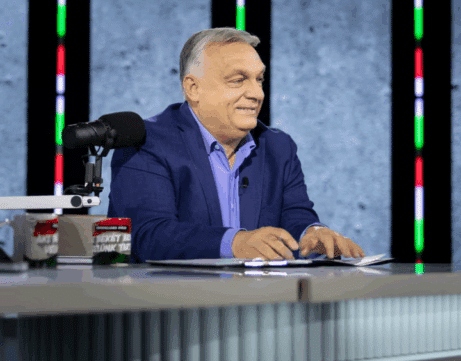
A political scientist commented, “This isn’t just another brief headline—this is a defining chapter that will echo long after the dust settles,” highlighting how the campaign could shape the next decade.
Hungarian economic pressures weigh heavily on citizens, with rising inflation, healthcare shortages, and education system struggles shaping public perception, and prompting voters to consider the stakes of Hungary’s 2026 race.
Local business owner Ilona remarked, “The message from ordinary people is unmistakable: they are tired of waiting, tired of hoping, tired of surviving instead of living,” reflecting broad frustrations across communities.
EU-Ukraine relations complicate Hungary’s international position, with Orbán leveraging perceived diplomacy successes to project strength abroad, yet critics argue domestic dissatisfaction may overshadow foreign policy achievements.
During his Washington visit, Orbán secured temporary exemptions from U.S. sanctions, but analysts say, “If there is no accountability and no change, then today’s pressures will become tomorrow’s crises,” reflecting persistent domestic concerns.
Opposition rallies emphasise alternative solutions, urging accountability and reform, with Tisza movement leaders warning that Hungarian citizens are growing weary of prolonged economic and political stagnation.
A community organiser observed, “What you see here is resilience stretched to its limits, yet somehow still refusing to break,” describing public determination despite hardships faced under long-term Fidesz governance.
Fidesz political strategy incorporates media control and billboard campaigns portraying Ukraine and EU leaders negatively, but critics argue these messages deepen divisions instead of promoting constructive public debate.
A university professor noted, “Every conversation ends the same way — with a sense that the world is shifting faster than the systems meant to protect us,” addressing generational anxieties.
Orbán’s positioning as a peace advocate remains central, arguing that military involvement in Ukraine threatens European stability, while opposition leaders stress practical reforms targeting Hungarian economic pressures at home.
Residents increasingly discuss the elections with cautious optimism, hoping for change, yet the prime minister maintains support through carefully framed narratives, demonstrating the effectiveness of Fidesz political strategy in shaping opinion.
A Tisza activist explained, “People may disagree on solutions, but they all agree on one thing: silence is no longer an option,” underscoring growing citizen engagement in Hungary’s 2026 race.
Economic hardships dominate local discussions, with households expressing concerns over energy costs, unemployment risks, and inflation, pressing candidates to articulate policies addressing tangible needs rather than abstract foreign policy promises.
Orbán stressed, “This is not about anger alone; it’s about people demanding the dignity that has been denied for far too long,” framing the campaign as a moral imperative for voters.
The Tisza opposition movement leverages dissatisfaction, promoting transparent governance and long-term planning, while polling shows a narrowing gap, suggesting Hungary’s 2026 race is increasingly competitive despite Fidesz incumbency.
Political analysts note foreign policy advantages are less persuasive than domestic performance, yet Orbán maintains an edge on migration and security messaging, drawing support from conservative constituencies.
A resident remarked, “Hope hasn’t disappeared — it’s just fighting harder to be heard,” summarising public sentiment and the interplay between political messaging and citizens’ lived experiences.
EU-Ukraine relations remain a recurring topic, as Hungary blocks certain EU initiatives and Ukraine’s accession steps, with opposition criticism focused on long-term diplomatic and economic consequences.
Government supporters defend Fidesz political strategy, arguing that international alignment strengthens Hungary’s bargaining power, while critics accuse Orbán of prioritising optics over practical solutions to pressing Hungarian economic pressures.
The Tisza movement counters with promises to reduce inequality, improve healthcare access, and reform education, appealing to voters frustrated with longstanding institutional shortcomings across the country.
Analysts warn that Hungary’s 2026 race may hinge less on international affairs than on citizen satisfaction with daily governance, highlighting the strategic tension between foreign messaging and domestic reality.
Public opinion suggests growing discontent in urban centres, while rural voters remain more aligned with Fidesz messaging, reflecting uneven impacts of Hungarian economic pressures across regions.
A political commentator explained, “The election will reveal whether performance at home outweighs rhetoric abroad, and how voters interpret competence versus ideology in this critical race.”
Youth engagement appears decisive, as younger citizens increasingly participate in rallies, debates, and discussions, shaping the narrative and challenging conventional assumptions about Fidesz political strategy.
The Tisza movement utilises digital platforms effectively, communicating policy proposals and criticisms with speed, reinforcing its growing relevance in Hungary’s 2026 race.
Orbán continues emphasising sovereignty and strategic independence, particularly regarding EU-Ukraine relations, while opposition parties frame these policies as self-serving rather than promoting genuine regional security.
A resident attending a campaign event said, “People are listening, debating, and demanding to be counted; this is a moment when participation matters more than ever.”
Inflation, energy costs, and access to quality healthcare dominate electoral discourse, driving conversations in households and public spaces as citizens prepare to weigh their choices.
Fidesz political strategy relies on loyal media networks, framing the opposition as inexperienced or foreign-influenced, yet surveys indicate skepticism is growing amid rising Hungarian economic pressures.
Observers note that while Orbán emphasises foreign diplomacy, citizens prioritise tangible solutions to inflation, healthcare, and education, suggesting Hungary’s 2026 race may pivot on practical performance.
A policy expert remarked, “Elections are won not only with speeches but with the trust people feel when they see action that meets their needs.”
Tisza opposition movement rallies highlight transparency, civil liberties, and fairness, resonating with voters tired of perceived Fidesz overreach, shaping the competitive environment in Hungary’s 2026 race.
The public discourse reflects both generational and regional divides, with younger urban voters calling for reform, while conservative rural communities prioritise stability and long-term security messaging.
A political analyst observed, “The contest is as much about narrative control as it is about policy; how leaders communicate shapes perception and, ultimately, participation.”
Hungarian economic pressures amplify citizen scrutiny, prompting debates about energy costs, wage stagnation, and public service quality, pressing candidates to offer measurable solutions rather than rhetorical promises.

Fidesz political strategy remains resilient, yet narrowing poll margins indicate that the Tisza opposition movement has established itself as a credible challenge in Hungary’s 2026 race.
Voter participation is expected to rise, as public debates, social media exchanges, and community engagement encourage active involvement, highlighting the evolving political awareness among citizens.
A community observer noted, “People are no longer passive observers; they speak, write, and demand change, turning elections into forums for civic responsibility.”
Ultimately, Hungary’s 2026 race will be defined by the interplay between campaign narratives, public sentiment, and the tangible effects of governance on citizens’ lives across the country.
The election outcome will likely influence Hungary’s regional role, foreign policy, and domestic priorities for years, as voters weigh experience against reform, messaging against action, and promises against practical results.
A political scientist concluded, “This is a pivotal moment where citizens decide not only leadership but the trajectory of the nation’s future, balancing hope with tangible accountability.”


