

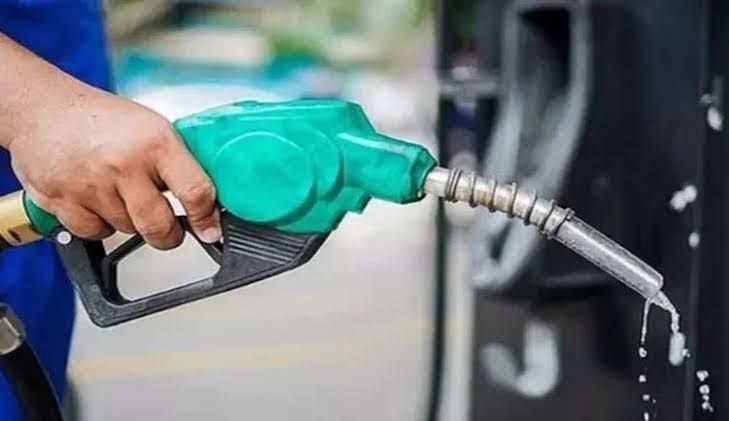
Imported Petrol 12% Cheaper? Refiners Fire Back at World Bank Over Dangote Pricing in Nigeria Fuel Clash
Nigeria’s fuel pricing debate has escalated into a full-blown policy confrontation after local refiners pushed back against claims that imported petrol is cheaper, arguing that the 12 per cent price gap cited by the World Bank is misleading and ignores critical differences in fuel quality.
The Crude Oil Refiners Association of Nigeria insists that what appears to be cheaper imported fuel is often lower-grade blended petrol, raising questions about whether Nigerians are truly comparing equivalent products.
At the centre of the dispute is the growing controversy around pricing from the Dangote Refinery, which has become Nigeria’s dominant fuel supplier following restrictions on imports earlier this year.
12% Price Gap Sparks Industry Backlash

The latest clash was triggered by a Nigeria Development Update from the World Bank, which revealed that imported petrol is roughly 12 per cent cheaper than locally refined supply.
According to the report, petrol from the Dangote refinery sold at about N1,275 per litre, compared to an estimated import-parity price of N1,122, creating a noticeable cost differential.
The institution argued that this gap reflects distortions in Nigeria’s downstream market and recommended reopening fuel importation to restore competition and ease pricing pressure.
However, the conclusion has drawn sharp criticism from industry stakeholders who say the comparison is fundamentally flawed.
Refiners Say “Cheaper” Fuel Is Not Equal Fuel
Responding to the report, CORAN’s Publicity Secretary, Eche Idoko, dismissed the pricing comparison as incomplete, arguing that imported petrol often undergoes blending rather than full refining, making it cheaper but not equivalent in quality.
He explained that many imported products originate from regions such as Eastern Europe and Central Asia, where blending processes are used to meet minimum regulatory standards at reduced cost.
“Blending is cheaper than refining, but it does not deliver the same quality. You cannot compare two different grades of fuel and draw conclusions on price alone,” he said.
According to Idoko, a proper comparison must account for key technical specifications such as density, flash point, and pour point—metrics that directly influence fuel performance and environmental impact.
Without these considerations, he warned, claims about price competitiveness risk distorting public understanding of the market.
Dangote Refinery at the Centre of Pricing Storm
The controversy places the Dangote Refinery at the heart of Nigeria’s fuel pricing debate.
Touted as a game-changer for Africa’s largest oil producer, the refinery was expected to reduce reliance on imports and stabilise domestic fuel prices. However, current pricing realities suggest the transition is more complex.
Industry analysts note that while local refining has improved supply security, it has not yet translated into significantly lower prices for consumers.
“We are seeing the benefits of reduced import dependence, but not necessarily cheaper fuel. That gap is what is driving this debate,” an energy analyst said.
Crude Pricing and FX Pressures Limit Cost Advantage
A major factor behind the pricing tension is the cost of crude oil supply.
Despite operating within an oil-producing country, local refineries—including the Dangote Refinery—often purchase crude at international benchmark prices, with limited access to discounts or preferential terms.
This means domestic refining does not automatically translate into cost savings.
In addition, foreign exchange pressures continue to shape pricing outcomes. Since crude oil transactions are dollar-denominated, fluctuations in the naira directly impact production costs.
As a result, locally refined petrol remains tied to global market dynamics, limiting the extent to which it can undercut imported alternatives.
Policy Divide Deepens Over Fuel Imports
The debate has reopened a sensitive policy question: should Nigeria prioritise domestic refining protection or market competition through imports?
The World Bank has argued that restricting imports reduces competition and allows domestic prices to remain above import-parity levels.
“Reopening the PMS market would restore competition and improve price alignment,” the institution stated.
However, local refiners warn that prematurely exposing the market to imports could undermine billions of dollars invested in domestic refining infrastructure.
They argue that without some level of protection, Nigeria risks remaining trapped in a cycle of import dependence.
Consumers Caught in the Middle of Pricing War
For consumers, the implications of the debate are immediate and significant.
Related: Nigeria poverty surges to 63% despite falling inflation, World Bank warns
Read Also: Police unseal PDP national secretariat after 143 days of crisis in Abuja
Fuel prices remain a major driver of inflation in Nigeria, affecting transportation costs, food prices, and overall cost of living.
The current pricing gap—whether driven by quality differences or market inefficiencies—raises concerns about whether Nigerians are receiving fair value for fuel purchases.
Consumer advocates say the policy debate must move beyond technical arguments and focus on real-world impact.
“At the end of the day, the issue is affordability. Whether fuel is imported or locally refined, Nigerians want lower prices and reliable supply,” a Lagos-based analyst said.
A Market in Transition, Not Equilibrium
The ongoing clash highlights a deeper reality: Nigeria’s downstream oil market is still in transition.
While the Dangote Refinery represents a major milestone in domestic refining capacity, the pricing debate suggests the market has not yet reached equilibrium.
Imported fuel remains competitive due to structural advantages in global supply chains, while local refining continues to face cost pressures linked to crude pricing and foreign exchange volatility.
Price War Signals Deeper Structural Issues
The growing confrontation between local refiners and global policy advisers underscores the complexity of Nigeria’s fuel market reforms.
While imported petrol may appear cheaper, refiners insist that quality differences, production processes, and structural constraints must be factored into any comparison.
At the same time, the World Bank position reflects concerns about competition and consumer pricing in a market increasingly dominated by a single supplier.
For Nigeria, the challenge is no longer just about price—but about balancing industrial ambition with market efficiency and consumer protection.
Until that balance is achieved, the fuel pricing debate is unlikely to fade—and may, in fact, intensify.
Read more at ireport247news
About The Author
