

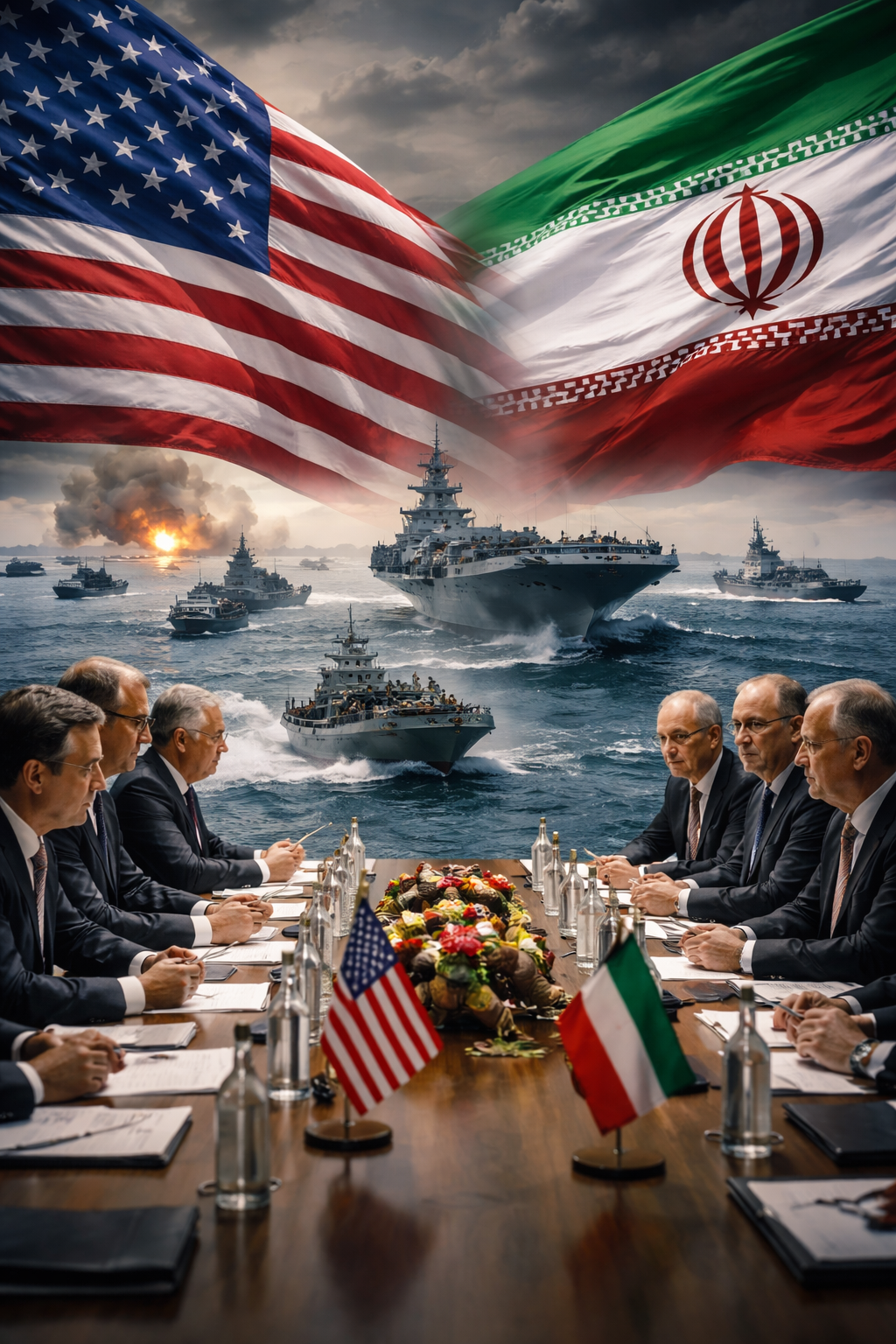
A GLOBAL ENERGY SHOCK REVEALS A SHIFT IN HOW POWER WORKS
The US blockade of Iran ports is not just a military or diplomatic action—it reflects a deeper shift in how global power is being exercised through control of energy infrastructure rather than traditional diplomacy.
Markets reacted instantly, but what they are truly responding to is not just disruption—it is uncertainty about whether global trade rules are still stable or politically conditional.
This is why the Strait of Hormuz crisis is now being described by analysts as more than a regional flashpoint. It is becoming a test of whether energy routes remain predictable in a fragmented geopolitical environment.
One energy strategist noted, “Markets are no longer just pricing oil—they are pricing instability itself.”
MARKETS REACT TO UNCERTAINTY, NOT JUST SUPPLY RISK
Oil prices surged sharply following the announcement, but the key driver is not immediate shortage. Instead, traders are reacting to the possibility that supply conditions can change suddenly and politically.
This represents a structural shift in market psychology. In previous crises, pricing reflected physical disruption. In this case, pricing reflects fear of rule instability in global energy flows.
The global oil price shock therefore signals something deeper: markets are adjusting to a world where geopolitical decisions can override commercial predictability at short notice.
TRUMP’S STATEMENT ENDS DIPLOMATIC EXPECTATION
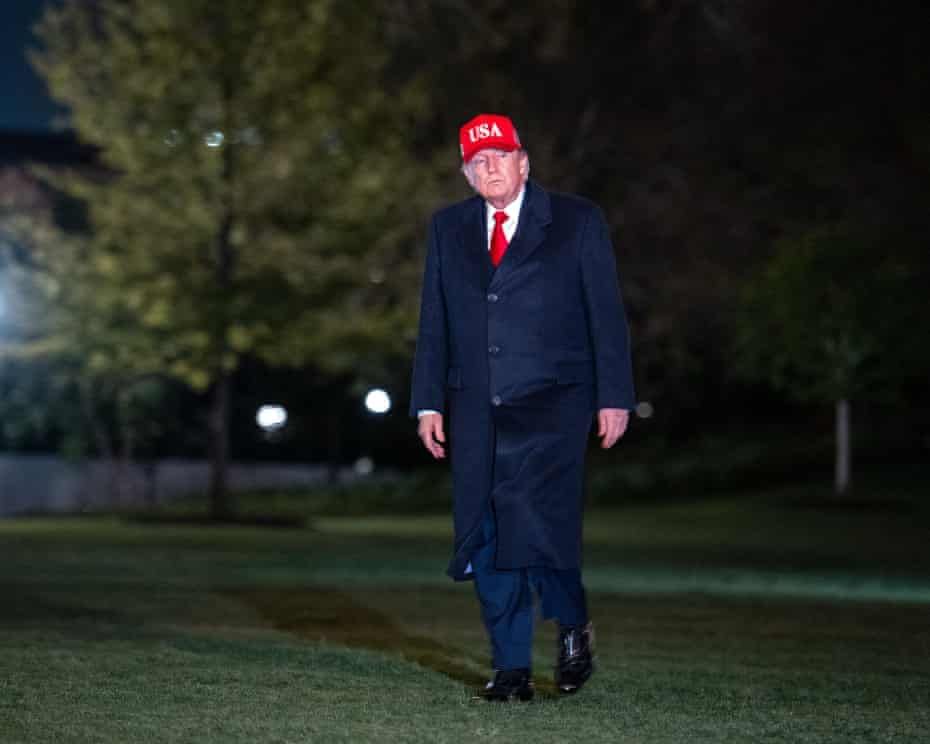
Donald Trump’s remarks effectively reset expectations around diplomacy.
“I don’t care if they come back or not,” he said, signalling not just frustration but a clear departure from negotiation-first crisis management.
The collapse of the Trump Iran negotiations is therefore more than a failed dialogue—it represents a shift toward pressure-based geopolitics, where leverage replaces mediation.
Analysts warn that this reduces the space for de-escalation, as other global actors now assume diplomacy may no longer provide a reliable exit route.
STRAIT OF HORMUZ BECOMES A STRATEGIC POWER ZONE
The Strait of Hormuz crisis has evolved into a strategic competition over control, perception, and economic influence.
This waterway is no longer viewed simply as a transit route, but as a global pricing mechanism for energy stability.
Shipping companies are reacting not only to enforcement risks, but to unpredictability in enforcement logic itself. That uncertainty alone is enough to alter global shipping behaviour.
In geopolitical terms, the Strait is now functioning as a lever of strategic pressure rather than just a chokepoint.
SECOND-ORDER ECONOMIC SHOCKS ARE NOW THE REAL RISK
While headlines focus on oil prices, the deeper risk lies in second-order effects across the global economy.
The global oil price shock feeds directly into transport, food production, manufacturing, and currency stability in import-dependent economies.
This means inflation is not the endpoint—it is the transmission mechanism for broader economic strain.
One economist explained, “The danger is not a spike in oil prices. It is synchronized cost inflation across every sector at once.”
That kind of pressure disproportionately impacts developing economies first, before spreading globally.
IRAN SIGNALS LONGER-TERM STRATEGIC ENTRENCHMENT
Iran’s response reflects not just anger, but strategic positioning for a prolonged confrontation.
Statements such as “If you fight, we will fight” suggest deterrence signalling rather than short-term escalation messaging.
This matters because both sides now appear locked into expectations of sustained tension rather than rapid resolution.
Historically, when both actors shift into deterrence framing, the probability of accidental escalation increases significantly.
GLOBAL LEADERS FACE A LARGER SYSTEMIC CONCERN
Public calls for restraint mask a deeper private concern among policymakers: the stability of global maritime governance.
The real fear is not only conflict escalation, but the emergence of a world where major trade routes operate under shifting political conditions rather than fixed international norms.
If that trend continues, global trade could fragment into risk-tiered systems where access depends on geopolitical alignment.
That would mark a structural change in globalization itself.
ENERGY HAS BECOME A GEOECONOMIC WEAPON
The US blockade of Iran ports and the Strait of Hormuz crisis together highlight how control of supply routes is becoming central to geopolitical power projection.
Control over supply routes, pricing stability, and transit access now functions as leverage in geopolitical competition.

The Strait of Hormuz crisis therefore represents not just a regional dispute, but a live demonstration of how energy infrastructure has become central to modern power projection.
FINAL OUTLOOK: A WORLD ADJUSTING TO NEW RULES
The US blockade of Iran ports has accelerated a shift from diplomatic predictability to geopolitical volatility.
Markets, governments, and shipping networks are now adapting in real time to a system where outcomes are no longer anchored in negotiation stability.
Read also: Viktor Orbán defeat: Péter Magyar leads Hungarian opposition to historic election victory after 16 years
The next phase will not be defined by announcements, but by behaviour—oil flows, insurance pricing, and shipping confidence.
And that is where the true shape of this crisis will be decided.