

Iran Peace Talks have entered a period of uncertainty after reports emerged that Tehran has suspended diplomatic engagement with the United States amid growing tensions across the Middle East. The development has sparked concerns among international observers who had hoped negotiations would help ease instability in a region already facing multiple security challenges.
US President Donald Trump responded to the reports by urging Americans to remain calm. Speaking to NBC, Trump said citizens should “sit back and relax” while diplomatic efforts continue behind the scenes. His remarks came as questions mounted over whether ongoing negotiations could survive the latest geopolitical tensions.
The apparent setback in the Iran Peace Talks follows renewed military activity involving Israel and Lebanon, as well as growing concerns over shipping routes in the Gulf region. Analysts warn that any prolonged breakdown in communication between Washington and Tehran could have significant implications for global security and energy markets.
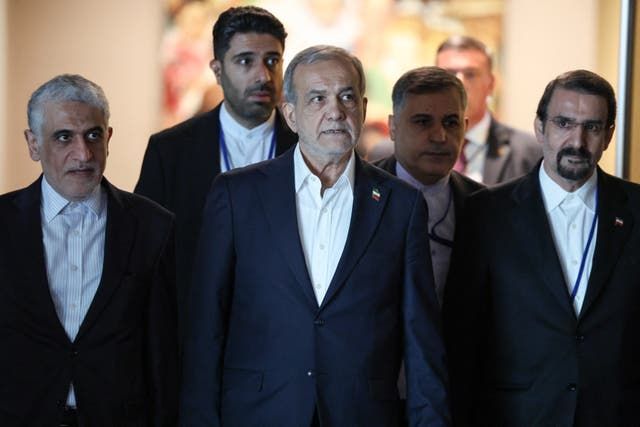
Iran Peace Talks Face Fresh Uncertainty
The future of the Iran Peace Talks has come under renewed scrutiny following reports from Iranian media suggesting that Tehran has halted communication with US negotiators through intermediaries.
According to the reports, Iranian officials believe that continued military actions involving Israel and Lebanon have undermined the diplomatic environment necessary for meaningful negotiations. The decision has raised fears that months of diplomatic engagement could be at risk.
A statement attributed to Iranian sources indicated that there would be no further discussions until certain regional concerns were addressed. While Iranian officials have not completely ruled out future negotiations, the latest development represents a significant obstacle to ongoing diplomatic efforts.
Tehran Links Diplomacy to Regional Security
Iranian leaders have repeatedly emphasized that regional security issues cannot be separated from broader diplomatic discussions. Officials in Tehran argue that any ceasefire arrangement should extend beyond direct US-Iran relations and include developments in neighboring countries.
Iranian Foreign Minister Abbas Araghchi reiterated this position, stating that violations in one area of the region could undermine agreements elsewhere. The comments reflect Tehran’s broader strategy of linking regional stability to diplomatic progress.
Observers say this approach complicates negotiations because it expands the number of issues that must be addressed before meaningful progress can be achieved.
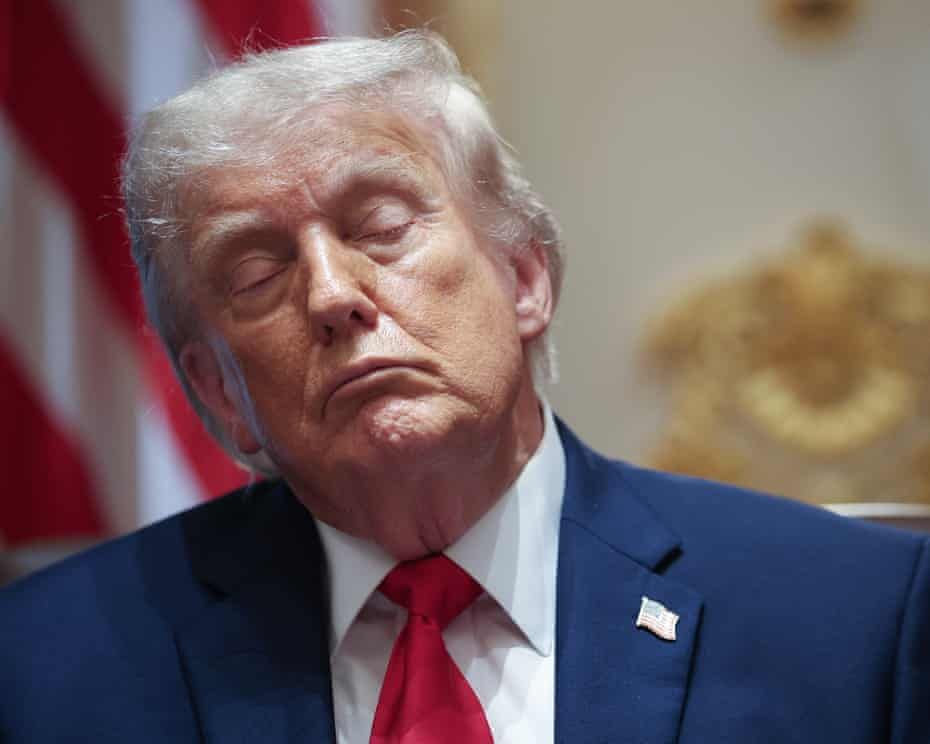
Trump Calls for a Different Negotiation Approach
President Trump appeared to suggest that public discussions surrounding negotiations may have become counterproductive.
Speaking about the diplomatic process, Trump remarked that “we have been talking too much,” indicating that quieter diplomacy might be more effective. He also dismissed suggestions that the United States was preparing for immediate military escalation.
“We’ll keep the blockade,” Trump said, while stressing that Washington would continue monitoring developments closely.
‘Sit Back and Relax,’ Trump Tells Americans
One of the most notable moments from Trump’s comments was his appeal for calm among Americans.
“Sit back and relax,” the president said when asked about the latest developments surrounding the negotiations.
The statement appeared designed to reassure the public that the administration remains in control of the situation despite rising tensions in the region. It also signaled confidence that diplomatic channels remain available, even if formal talks have temporarily stalled.
Political analysts note that Trump’s remarks contrast with concerns expressed by some international observers who fear that the collapse of negotiations could increase the likelihood of further regional instability.
Lebanon Conflict Adds Pressure to Negotiations
The Iran Peace Talks have become increasingly intertwined with developments in Lebanon, where tensions have escalated in recent weeks.
Israeli Prime Minister Benjamin Netanyahu ordered strikes on Beirut’s southern suburbs after accusing Hezbollah of violating a ceasefire arrangement. The move prompted fresh displacement among civilians and intensified fears of a broader regional confrontation.
Iran has strongly criticized Israeli operations in Lebanon and insists that regional military actions must be considered as part of any wider diplomatic framework.
Rising Humanitarian Concerns
Humanitarian organizations continue to express concern over the impact of renewed fighting on civilian populations.
Reports indicate that more than one million people have been displaced by recent violence in Lebanon. Families have fled affected areas amid fears of additional military operations.
The humanitarian consequences of the conflict are increasingly becoming a factor in diplomatic discussions, with several governments calling for restraint from all parties involved.
Strait of Hormuz Remains a Global Concern
Another issue attracting international attention is the Strait of Hormuz, one of the world’s most important energy shipping routes.
Iranian officials have previously warned that regional instability could affect maritime traffic through the strategic waterway. Recent reports also highlighted concerns about incidents involving commercial vessels in nearby waters.
President Masoud Pezeshkian has pledged to take measures aimed at maintaining stability and ensuring safe navigation through the strait.
Impact on Global Energy Markets
Any disruption in the Strait of Hormuz could have significant consequences for global energy supplies.
Oil traders continue to monitor developments closely, although prices have remained below some of the levels predicted during earlier stages of the crisis.
Experts note that uncertainty surrounding the Iran Peace Talks could contribute to market volatility if tensions continue to rise.
What Comes Next for Iran Peace Talks?
Despite the current setback, many analysts believe diplomatic efforts are unlikely to disappear entirely.
The United States and Iran both have strong incentives to avoid a broader conflict, and international mediators continue to explore opportunities for renewed engagement. While negotiations may be paused, diplomatic channels remain open through various intermediaries.
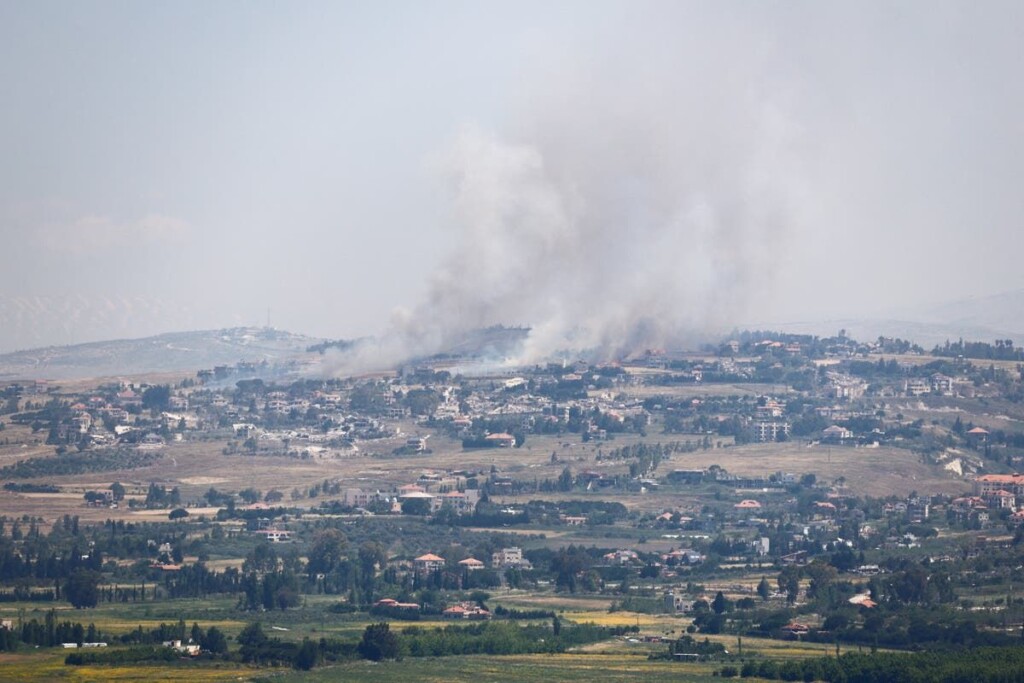
The coming weeks are expected to be critical in determining whether the Iran Peace Talks can regain momentum or whether regional tensions will continue to overshadow diplomatic efforts.
For now, uncertainty remains the defining feature of the situation. As military and political developments unfold across the Middle East, world leaders will be watching closely for signs that negotiations can resume and help reduce the risk of a wider regional crisis.
About The Author


