

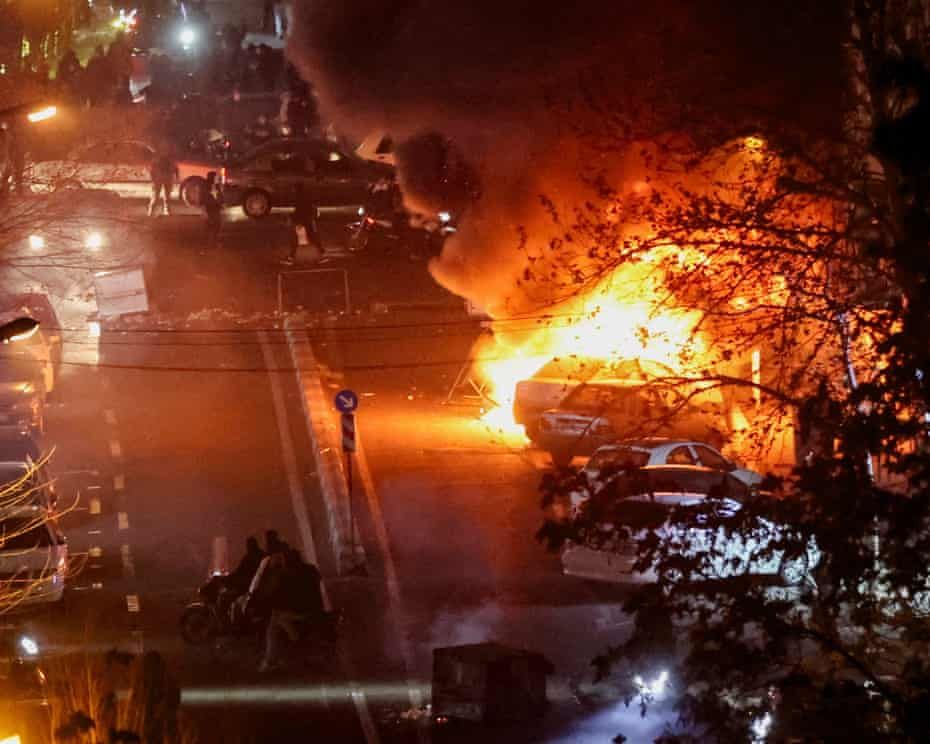
Iran peace talks unreasonable after Israeli strikes has emerged as a defining stance from Tehran, signalling rising uncertainty despite a fragile ceasefire and ongoing regional instability across the Middle East.
The guns may have briefly softened, but the silence is deceptive. Beneath the surface of a hastily announced ceasefire lies a volatile mix of distrust, broken promises, and competing declarations of victory.
What looks like diplomacy is, in reality, a battlefield of words. From Beirut’s shattered districts to tense exchanges between Washington and Tehran, the region now sits on a knife-edge. Every statement, every strike, and every miscalculation threatens to collapse what little remains of a fragile truce.
Rising tensions despite ceasefire announcement
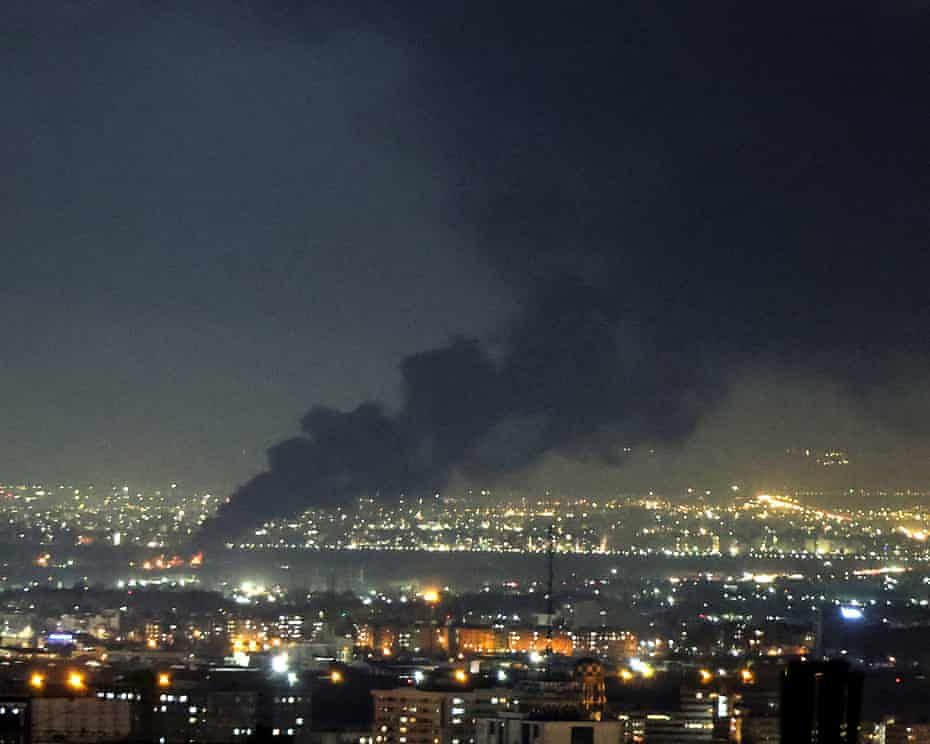
A temporary ceasefire announced by Donald Trump has failed to halt violence, particularly in Lebanon, where Israeli strikes intensified dramatically, killing hundreds and deepening regional instability.
Iran immediately signalled its dissatisfaction, warning that conditions were not suitable for diplomacy. The ceasefire, rather than calming tensions, has exposed deep divisions over its scope and implementation.
Background to the conflict
The crisis is rooted in decades of hostility involving Iran, Israel, and the United States. Iran has long opposed Western and Israeli influence while backing armed groups like Hezbollah across the region.
The current war escalated after coordinated US and Israeli strikes targeted Iranian nuclear and military facilities, with Washington arguing Tehran’s uranium programme posed a global threat.
Iran responded with missile and drone attacks across the Middle East, including strikes on energy infrastructure and threats to the Strait of Hormuz, a vital global oil route.
The conflict expanded when Hezbollah opened a northern front against Israel, launching attacks in what it described as support for Iran, effectively turning a bilateral war into a regional confrontation.
Iran rejects negotiations under pressure
Iran’s parliament speaker, Mohammed Bager Qalibaf, delivered the clearest rejection of diplomacy, stating: “In such a situation, a bilateral ceasefire or negotiations is unreasonable.”
He accused the United States of bad faith, adding that there had been “repeated violations of all forms of commitments,” and insisting agreements were being broken “even before the negotiations have begun.”
For Tehran, continued Israeli strikes—especially in Lebanon—undermine the credibility of any peace process.
Why Lebanon is at the center of the dispute
The biggest fault line in the ceasefire is Lebanon — and it explains why Iran is now threatening to walk away from the agreement.
US officials made it clear the ceasefire was limited in scope. As JD Vance put it: “I think the Iranians thought that the ceasefire included Lebanon, and it just didn’t.”
Read also: Iran 10-point ceasefire plan shapes US response as Trump weighs critical decision
Israel reinforced that position. Benjamin Netanyahu stated plainly: “The two-week ceasefire does not include Lebanon,” while describing the war there as a separate front focused on Hezbollah.
Donald Trump also echoed this distinction, calling the Lebanon conflict a “separate skirmish,” effectively excluding it from the truce framework.
However, Iran sees things very differently. Tehran insists the ceasefire should apply to “all fronts,” including Hezbollah in Lebanon, which it considers part of its broader regional alliance network.
This is where the core issue lies:
- Hezbollah is not just another group — it is Iran’s most powerful regional ally and proxy
- The group entered the war in direct support of Iran
- Israeli attacks on Hezbollah are therefore seen by Tehran as attacks on Iran’s strategic position
From Iran’s perspective, allowing Israel to continue striking Hezbollah while Iran observes a ceasefire creates a one-sided truce. That is why Iranian officials view the situation as unacceptable — a ceasefire that protects Iran directly but weakens its allies indirectly.
Israel continues Lebanon offensive
Israeli Prime Minister Benjamin Netanyahu signalled no intention of slowing down military operations, declaring Israel has its “finger on the trigger” and is ready to strike “at any moment.”
He made it clear the ceasefire does not apply to Lebanon, reinforcing Israel’s position that operations against Hezbollah will continue regardless of broader diplomatic efforts.
Israel has framed its campaign as necessary to eliminate threats from Hezbollah, which it considers an immediate and ongoing security danger.
Hezbollah retaliation raises fears
Hezbollah responded with force, launching rockets into northern Israel and warning that continued attacks would not go unanswered.
The group described its actions as retaliation for “ceasefire violations,” highlighting the fragile and disputed nature of the truce.
This exchange has heightened fears that the conflict could expand into a full-scale regional war involving multiple countries and armed groups.
US stance and conflicting narratives
US Vice President JD Vance acknowledged confusion surrounding the ceasefire, stating: “I think the Iranians thought that the ceasefire included Lebanon, and it just didn’t.”
He also described the situation as a “fragile truce,” underscoring the uncertainty surrounding its durability.
Vance further revealed pressure from Washington, noting that President Trump is “impatient” to see progress from negotiations.
Meanwhile, Trump has maintained a hardline stance, insisting that Iran must comply with US expectations or face consequences.
Nuclear dispute remains unresolved
At the core of the crisis is Iran’s nuclear programme, which remains the biggest obstacle to any peace agreement.
While the United States insists Iran must fully halt uranium enrichment, Tehran maintains that its nuclear activities are legitimate and non-negotiable.
This fundamental disagreement continues to block progress, with both sides presenting completely opposing interpretations of what any deal should include.
Strait of Hormuz and global stakes
The Strait of Hormuz has become one of the most dangerous flashpoints in the conflict.
Iran has tightened control over the strategic waterway, raising fears of disruption to global oil supplies.
Any escalation in the region could have immediate global economic consequences, particularly for energy markets.
Global reactions and warnings
French President Emmanuel Macron condemned the Israeli strikes, calling them “indiscriminate” and insisting that Lebanon “must be fully covered” by any ceasefire agreement.
International leaders have echoed similar concerns, urging restraint and warning of the risk of a “severe global energy crisis” if tensions continue.
Iran signals strength and warning
Despite sustained attacks, Iranian officials have framed the situation as a strategic success.
Authorities declared a “historic victory,” while simultaneously warning that continued Israeli operations in Lebanon could collapse the ceasefire entirely.
Iran has made it clear: if its allies are attacked, the truce itself is at risk.
A fragile and divided ceasefire
At its core, the ceasefire is not a single agreement — it is multiple interpretations of what was agreed.
- The US sees it as limited to Iran
- Israel sees Lebanon as a separate battlefield
- Iran sees the conflict as interconnected across all fronts
This mismatch is why the ceasefire is already under strain. As one analysis noted, discrepancies over Lebanon’s inclusion are now “threatening to derail” the entire agreement.
Conclusion
The declaration that Iran peace talks unreasonable after Israeli strikes captures more than diplomatic frustration — it reveals a fundamental disagreement over the nature of the war itself.
For the United States and Israel, Lebanon is a separate front.
For Iran, it is part of the same battlefield.
Until that contradiction is resolved, any ceasefire will remain fragile, contested, and dangerously close to collapse.
What do you think — should Lebanon have been included in the ceasefire, or is it truly a separate war? Drop your thoughts in the comment box.
About The Author
