

Iran 10-point ceasefire plan has emerged as the foundation of fragile diplomacy between Donald Trump and Iran, outlining conditions for halting hostilities and reopening the strategically vital Strait of Hormuz to global traffic.
The proposed agreement includes a temporary two-week ceasefire aimed at preventing further escalation between the United States and Iran, while allowing diplomatic negotiations to take precedence over immediate military confrontation across the region.
Iran’s demands within the Iran 10-point ceasefire plan reportedly include the lifting of primary and secondary sanctions that have long constrained its economy, alongside the release of frozen financial assets held in foreign jurisdictions.
Another key component of the Iran 10-point ceasefire plan is Tehran’s insistence on maintaining a level of operational control over the Strait of Hormuz, a critical route responsible for a significant share of global oil transportation.
The plan also calls for a reduction of United States military presence across the Middle East, reflecting longstanding Iranian concerns about foreign intervention and regional security dynamics that have shaped tensions for decades.
Diplomatic sources indicate that Iran is seeking guarantees against future attacks, including those targeting its regional allies, as part of broader efforts to secure long-term stability through the Iran 10-point ceasefire plan framework.
A controversial element within the Iran 10-point ceasefire plan involves the recognition of Iran’s nuclear enrichment activities, although discrepancies between language versions of the proposal have raised questions among international observers.
The Iranian government has also proposed that any final agreement be formalized through a binding resolution at the United Nations Security Council, ensuring global enforcement and reducing the risk of future violations by participating states.
Under the Iran 10-point ceasefire plan, commercial vessels would be allowed safe passage through the Strait of Hormuz, potentially under Iranian military oversight, raising concerns among Western analysts about long-term implications for maritime security.
Reports suggest Iran and Oman may jointly administer transit operations, including the possibility of charging significant fees for ships navigating the strategic waterway during the ceasefire period.
Such provisions have sparked debate within Washington, where policymakers fear that granting Iran influence over the strait could reshape global energy markets and shift geopolitical power balances in the region.
Despite these concerns, the Iran 10-point ceasefire plan is viewed by some analysts as a starting point for negotiations rather than a final agreement, reflecting typical diplomatic strategies involving maximal initial demands.
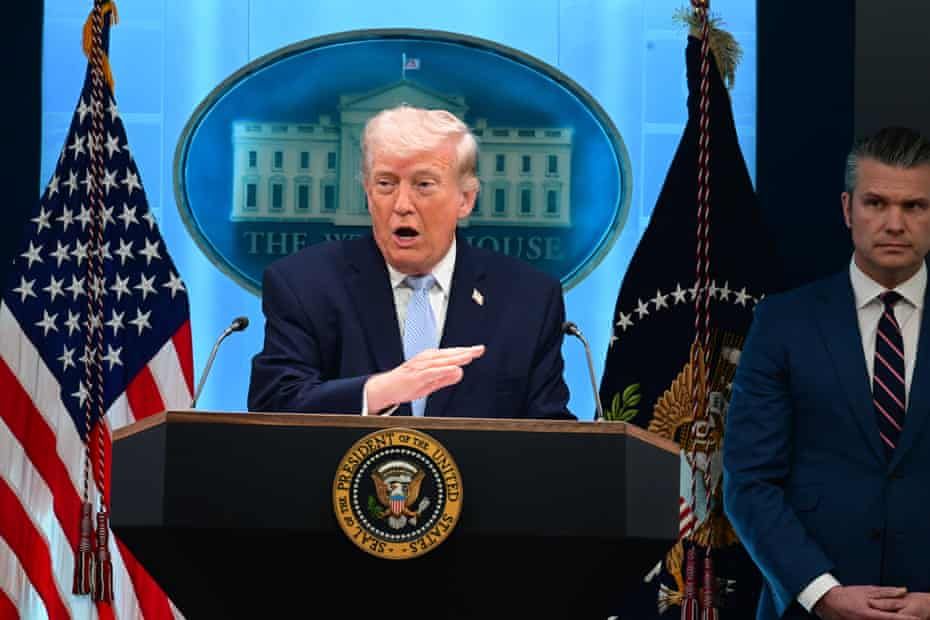
President Donald Trump has not publicly endorsed the proposal but acknowledged receiving a framework that could serve as a “workable basis” for further discussions between both sides under increasing international pressure.
The ceasefire initiative follows intense diplomatic engagement involving Pakistan’s Prime Minister Shehbaz Sharif, whose government played a key role in facilitating communication channels between Washington and Tehran during critical moments.
Pakistan’s mediation efforts included urging both sides to pause hostilities and create space for diplomacy, ultimately contributing to the temporary ceasefire arrangement outlined within the Iran 10-point ceasefire plan.
Meanwhile, China is believed to have exerted influence behind the scenes, encouraging Iran to pursue negotiations and avoid further escalation that could disrupt global trade and energy supplies.
China’s involvement highlights the broader international stakes tied to the Iran 10-point ceasefire plan, particularly given its status as a major trading partner and energy consumer reliant on Middle Eastern stability.
Israel has also responded to developments, with Prime Minister Benjamin Netanyahu expressing conditional support for the ceasefire while emphasizing the need to address security threats posed by Iran and its regional allies.
However, Israeli officials have clarified that the current ceasefire framework does not extend to all conflict zones, particularly in areas such as Lebanon where tensions remain high.
The broader conflict has already resulted in significant humanitarian consequences, including casualties and displacement, underscoring the urgency of reaching a sustainable agreement through the Iran 10-point ceasefire plan negotiations.
Within the United States, political reactions have been mixed, with some lawmakers expressing skepticism about Iran’s intentions and warning against concessions that could undermine long-term strategic interests.
Critics argue that allowing Iran to maintain influence over critical infrastructure like the Strait of Hormuz could have far-reaching consequences for global energy security and international trade routes.
Supporters of diplomacy, however, emphasize that the Iran 10-point ceasefire plan provides an opportunity to de-escalate tensions and avoid further military confrontation that could destabilize the entire Middle East.
Public opinion in the United States has also played a role, with growing fatigue over prolonged conflicts influencing the administration’s willingness to consider diplomatic alternatives to military action.
Economic factors, including rising fuel costs linked to instability in the Strait of Hormuz, have added pressure on policymakers to pursue solutions that ensure uninterrupted energy supply chains.
The Iran 10-point ceasefire plan therefore represents not only a diplomatic initiative but also a response to global economic concerns tied to the region’s strategic importance.
Upcoming talks are expected to take place in Islamabad, where representatives from both countries may engage in direct discussions aimed at refining the terms outlined in the ceasefire proposal.
While uncertainties remain, the Iran 10-point ceasefire plan continues to shape diplomatic efforts, serving as a central reference point for negotiations between Washington and Tehran in the coming days.
The outcome of these discussions will likely determine whether the temporary ceasefire evolves into a lasting agreement or collapses under the weight of unresolved differences between both sides.
For now, the Iran 10-point ceasefire plan stands as a critical moment in international diplomacy, reflecting both the challenges and possibilities inherent in resolving one of the world’s most volatile geopolitical conflicts.
Read also: Analysts critique Trump’s Iran ceasefire deal as strategic misstep
About The Author
