

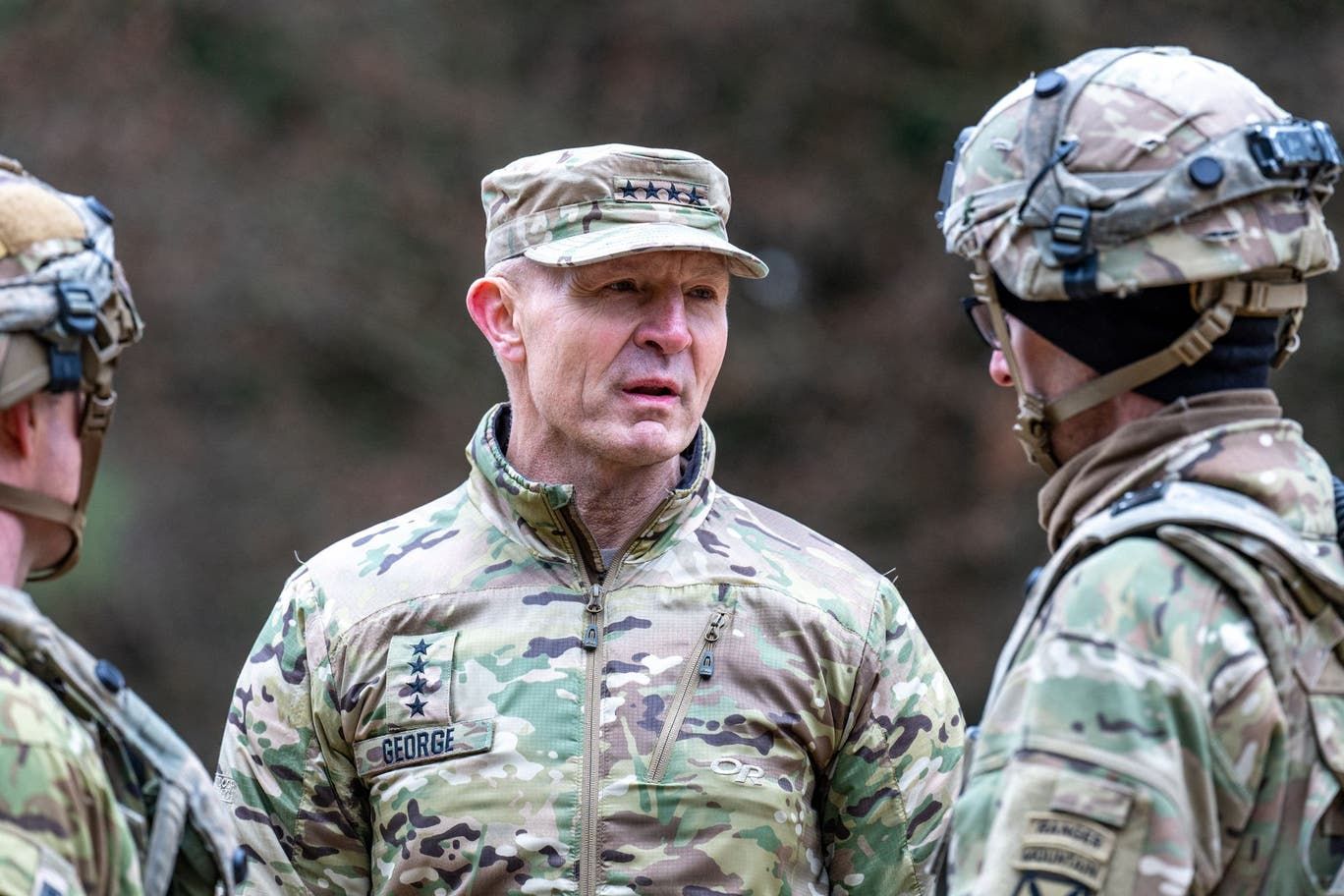
US military stays around Iran — U.S. President Donald Trump declared that American forces would remain “in and around Iran” until Tehran fully complies with the ceasefire agreement, a move that has sparked global reaction and heightened tensions after Israel’s heavy strikes on Lebanon and Iran’s own dismissal of ongoing peace talks as “unreasonable.”
The announcement comes amid sharply different interpretations of ceasefire terms — especially over whether Lebanon was meant to be included — and a growing humanitarian and diplomatic crisis.
Trump’s Ultimatum and Military Presence
President Donald Trump said that “all U.S. ships, aircraft, and military personnel … will remain in place in, and around, Iran, until such time as the REAL AGREEMENT reached is fully complied with,” adding that if Tehran does not uphold its commitments, “then the shootin’ starts, bigger and better and stronger than anyone has ever seen before.”
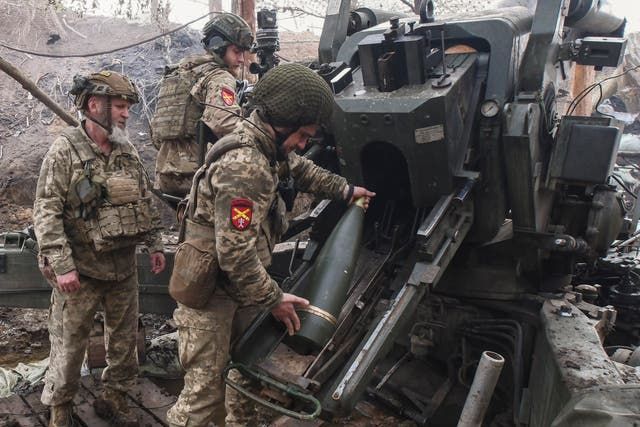
Trump also asserted that Iran had agreed to halt uranium enrichment and that the Strait of Hormuz would remain “open & safe.” U.S. officials, including Vice President JD Vance, later warned that if Iran breaks elements of the truce — especially around Hormuz — there would be “serious consequences.”
The extended U.S. presence underscores Washington’s determination to enforce compliance and deter renewed conflict, even as it raises fears among analysts that military posturing could itself provoke escalation.
Iranian Response: Leadership and Public Sentiment
Iranian officials reacted angrily to the U.S. declaration and to the circumstances surrounding the ceasefire.
Official Statements
Iran’s parliament speaker and chief negotiator, Mohammed Bager Qalibaf, said it was “unreasonable” to proceed with peace talks amid Israel’s heavy bombardment of Lebanon and continued military pressure. He argued that Israel had violated several conditions of the recent ceasefire, making further negotiations untenable.
Qalibaf and other Iranian officials also rejected U.S. claims about halting enrichment, saying the terms they understood still permitted some nuclear activity — a sign of deep mistrust over the agreement’s interpretation.
Public Voices
Among ordinary Iranians, reactions ranged widely. Some welcomed Trump’s ultimatum as a firm stance against Iran’s nuclear ambitions, while others saw the continued U.S. military presence as provocative. In Tehran, social media posts highlighted anxiety over renewed hostilities: one user wrote that the government must “choose ceasefire or continued war via Israel,” echoing calls by Iranian Foreign Ministry officials for clearer, reciprocal peace terms.
Why Lebanon Is Central to the Dispute
Conflicting Ceasefire Interpretations
A key point of friction in the ceasefire is whether Lebanon was meant to be included. Trump and U.S. officials repeatedly maintained that the truce did not cover Israeli operations in Lebanon, calling the conflict there a “separate skirmish.”
Mediators who helped broker the two‑week ceasefire initially said that it was meant to apply “everywhere,” including Lebanon. Iran insisted the same, viewing continued strikes in Lebanon as a breach of the ceasefire.
Hezbollah’s Role
Lebanese armed group Hezbollah, backed by Iran, paused some attacks under the ceasefire but was drawn into conflict after Israel launched heavy strikes targeting Hezbollah infrastructure.

Tehran views Hezbollah as a strategic ally. Iranian officials argue that any meaningful ceasefire must include a halt to operations against Hezbollah, otherwise the diplomatic process is fundamentally unbalanced.
Global Reactions to Trump’s Declaration
United Nations and International Leaders
The United Nations condemned the Israeli strikes on Lebanon, describing the casualty levels as “appalling” and urging protection of civilians. UN Human Rights Chief Volker Türk said the attacks undermined a fragile peace process and called for independent investigations into possible violations of humanitarian law.
Several world leaders have weighed in:
- France stressed the need for a broader ceasefire, including Lebanon.
- Qatar condemned the strikes as a “dangerous escalation” and a violation of international norms.
- Other countries urged restraint and de-escalation, warning that continued conflict could disrupt regional stability and global energy markets.
Public and Civil Society Reaction
Outside official channels, protesters gathered demanding a “real ceasefire” that encompasses all parties, including Lebanon, reflecting frustration with the limited scope of the existing truce.
Humanitarian groups and activists pointed out the growing civilian toll in Lebanon, highlighting displaced families and overwhelmed hospitals, and urging world powers to prioritize civilian protection.
Strategic and Military Analysis
US Troop Positioning and Regional Security
The expanded U.S. military footprint is seen as a deterrent, but analysts warn it carries risks of miscalculation, especially in a region with multiple combat fronts. The continued U.S. naval presence near Iran — particularly around the Strait of Hormuz — could send mixed signals: deterrence to Tehran, but provocation to Iran’s allies.
The Strait of Hormuz remains a flashpoint for global energy security, and tensions there have contributed to recent market volatility as traders assess the durability of the ceasefire.
Historical Patterns of Ceasefire Fragility
Ceasefire deals in the Middle East often unravel when key issues — like third‑party involvement or asymmetric interpretations — are not fully resolved. Analysts note that excluding Lebanon from the truce while acknowledging Iran’s broader regional network risks creating parallel conflicts that undercut diplomatic progress.
Economic and Humanitarian Impact
Strait of Hormuz and Energy Markets
The region controls a significant portion of global oil and gas exports. Any threat to stability in the Strait of Hormuz could lead to price spikes and disruptions in energy supply chains. Markets have responded with caution, reflecting anxiety over whether the ceasefire will hold.
Read also: Iran peace talks unreasonable after Israeli strikes as ceasefire tensions deepen
Human Cost in Lebanon and Beyond
The Lebanese civil defense reported at least 254 people killed in heavy strikes, with hospitals inundated and communities displaced. International humanitarian organisations have warned that continued conflict threatens long‑term social and economic devastation.
Civilians in Lebanon spoke of fear and uncertainty, with many displaced families unsure whether it was safe to return home as bombardments continued.
Diplomatic Outlook and Future Negotiations
Even as U.S. and Iranian officials debate the ceasefire’s terms, negotiations are scheduled to resume with mediators in Islamabad, Pakistan. But deep disagreements over core issues — Lebanon’s inclusion, nuclear concessions, and interpretation of ceasefire terms — suggest diplomacy faces an uphill battle.
Iran’s insistence that the ceasefire must stop all fronts of conflict, including Lebanon, flies in the face of U.S. and Israeli positions that treat the Iran and Lebanon fronts separately. How these contradictions are bridged will be central to any lasting peace.
A Fragile and Divided Truce
The situation encapsulated by Trump says US military stays around Iran — Donald Trump warns Tehran as world reacts to Lebanon strikes reflects a deeply volatile moment. Continued U.S. military positioning, competing ceasefire interpretations, heavy civilian casualties, and global reactions all illustrate the tenuous nature of peace in the region.
As diplomatic efforts continue, the world watches to see whether inclusive negotiations can overcome strategic fissures — or whether the region slides back toward broader conflict.