
Israel and Lebanon peace talks have sparked renewed optimism as both nations prepare for rare civilian-led engagement, raising expectations of a more credible and expanded regional truce mechanism.
The unexpected acceleration of Israel and Lebanon peace talks reflects shifting political calculations in Beirut and Jerusalem, where leaders seek stability without appearing to concede strategic ground.
The Israeli government confirmed that senior civilian officials would participate, marking a shift from traditional military-only delegations that dominated previous attempts at cross-border communication.
Lebanon’s decision to send a civilian official for the first time underscores cautious willingness to broaden dialogue despite deep public mistrust and decades of unresolved political hostilities.
President Joseph Aoun’s office said Lebanon acted after receiving confirmation that Israel would also appoint a non-military representative, ensuring the discussions appear balanced and diplomatically credible.
Officials said the meeting would occur near the United Nations-monitored Blue Line, though no specific date or location has been publicly announced for security and political sensitivity reasons.
The broader significance lies not in the meeting alone but in the rare alignment of international pressure, domestic necessity, and political opportunity shaping the new diplomatic atmosphere.
American officials reportedly urged Beirut to expand its engagement beyond military channels, believing sustained dialogue could help stabilise a region repeatedly shaken by cycles of conflict.
The appointment of veteran diplomat Simon Karam signals Lebanese intent to engage with experience and strategic caution, avoiding any perception of political compromise or forced normalisation.
Israeli officials identified National Security Council official Uri Resnick as Israel’s representative, reflecting an emphasis on technical diplomacy rather than high-profile political theatrics.
Prime Minister Benjamin Netanyahu’s office framed the initiative as a preliminary exploration that could eventually support economic cooperation, border security mechanisms, and improved regional communication.
Israeli officials said the talks do not signify imminent political normalisation but could reduce misunderstandings contributing to recent escalations across the volatile frontier.
Lebanese analysts say the government’s decision is driven partly by internal pressure to reduce conflict risks affecting southern communities traumatised by repeated bombings and displacement.
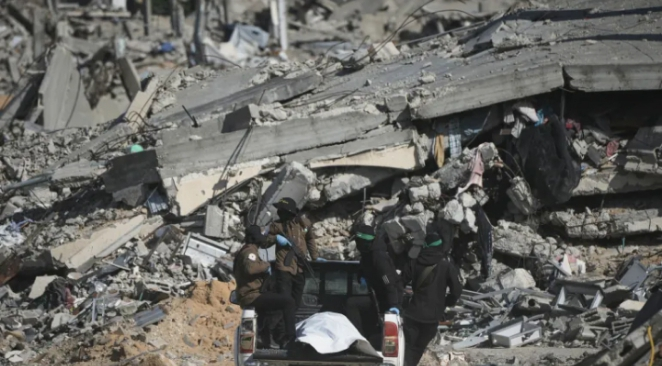
The fragile truce established in 2024 has suffered frequent violations, with Israeli airstrikes killing more than three hundred people, including numerous civilians, according to United Nations reports.
Israeli authorities claim the strikes target Hezbollah infrastructure designed to restore military capabilities near the border, though critics argue the operations destabilise the truce further.
The pattern of retaliatory actions has raised doubts about the durability of the ceasefire, prompting international actors to press for institutional dialogue aimed at reducing escalation triggers.
Observers described the Lebanese political climate as sharply divided, noting that many citizens view any engagement with Israel as betrayal of national principles.
Lebanon’s internal dynamics remain deeply complex, with political blocs holding contrasting positions on how to approach Israel, regional diplomacy, and Hezbollah’s strategic role inside the country.
Hezbollah Secretary-General Naim Qassem insists disarmament demands are unacceptable while Israel continues operations on Lebanese territory, emphasising armed resistance as essential for national defence.
Washington continues to push for Lebanon to implement earlier commitments concerning the controlled reduction of Hezbollah weaponry, though Lebanese authorities recognise significant political obstacles.
Economic deterioration further pressures Lebanese leaders to avoid renewed conflict, as a war would exacerbate shortages, weaken state institutions, and deepen the country’s prolonged financial crisis.
Some Lebanese figures argue that diplomatic engagement does not imply surrender but reflects a pragmatic attempt to protect civilians and stabilise vulnerable communities near the frontier.
Regional analysts caution that progress from Israel and Lebanon peace talks will be slow and fragile, requiring trust-building in an environment shaped by decades of hostility and conflict.
International observers hope structured civilian-level dialogue might institutionalise communication channels, enabling rapid de-escalation during incidents that previously led to destructive military exchanges.
The talks could also help clarify disputed territories, operational boundaries, and monitoring responsibilities central to ensuring stability along one of the region’s most sensitive fault lines.
Lebanese officials emphasise that the initiative does not signal political recognition of Israel but rather an effort to strengthen truce oversight and reduce security risks.
Israel continues to argue that long-term stability requires curbing Hezbollah’s military expansion, framing the talks as an opportunity to reduce strategic threats along its northern border.
The involvement of civilians rather than military commanders reflects subtle but meaningful shifts in tone, although underlying political calculations remain deeply entrenched on both sides.
Diplomats say any agreement emerging from these discussions will likely be incremental, focusing on technical matters rather than sweeping political solutions.
Public reactions in Lebanon show caution, with many citizens viewing the initiative as risky but potentially necessary to prevent further suffering in conflict-affected regions.
Some political leaders warn that optimism must not overshadow the history of failed truces, broken commitments, and unresolved disputes shaping the relationship between the two nations.
Others argue the talks represent an overdue recognition that the status quo of persistent tension serves neither country’s long-term security interests.
Economic analysts note that stability could open opportunities for limited cross-border economic frameworks, particularly regarding energy, infrastructure, and humanitarian logistics.
Israeli officials say improved coordination could reduce accidental escalations, especially amid ongoing tensions and regular military operations targeting suspected Hezbollah positions.
Lebanon remains wary that Israel may use the talks to pursue strategic objectives without addressing Lebanese territorial and sovereignty concerns.
Despite strong political resistance, the decision to engage in Israel and Lebanon peace talks reflects both countries’ recognition that dialogue, however incremental, is essential to avoid renewed conflict.
Observers emphasise that patience and careful negotiation will be required, as decades of mistrust and cycles of escalation make rapid breakthroughs unlikely in the near term.
The talks offer modest hope for residents in border communities, where frequent shelling and drone strikes have disrupted daily life and exacerbated humanitarian needs.
Both nations face internal opposition, with domestic audiences scrutinising leaders’ every move for signs of weakness, complicating diplomatic manoeuvring and progress in negotiation.
Longstanding external pressures, including American and United Nations encouragement, continue to shape the framework of Israel and Lebanon peace talks, reinforcing the broader geopolitical stakes at play.
Analysts suggest that incremental agreements on communication protocols, monitoring, and civilian oversight could pave the way for more durable mechanisms to prevent accidental escalations.
The potential for limited economic cooperation may act as an incentive for sustained dialogue, providing both countries with practical benefits beyond immediate security concerns.
Ultimately, Israel and Lebanon peace talks represent a cautious but significant experiment in civilian-led diplomacy, one that will be closely watched by regional powers and international observers alike.
While the outcome remains uncertain, the initiative signals a rare window of opportunity for cautious engagement, fostering hope that conflict may gradually give way to stability.
Lebanese and Israeli officials must navigate domestic political pressures, external expectations, and historical grievances to maintain momentum and prevent talks from stalling.
The coming months will test whether both sides can translate cautious dialogue into practical measures that reinforce the truce, protect civilians, and reduce the risk of renewed violence.
For communities along the border, even small agreements could improve daily security, reduce tensions, and offer a sense of hope that decades of conflict may finally see respite.
The meetings also provide an important platform for addressing technical and logistical challenges, from monitoring violations to managing emergency responses along contested areas.
Success, even modest, would demonstrate that incremental diplomacy can complement existing ceasefire arrangements, offering lessons for other protracted conflicts in the region.
Lebanon and Israel peace talks, while limited in scope, are symbolically powerful, showing that dialogue is possible even amid deep-seated mistrust and ongoing military pressures.

International and regional stakeholders are likely to continue monitoring progress, providing both encouragement and pressure to ensure that discussions do not collapse prematurely.
Although a comprehensive peace agreement remains distant, the talks may serve as the foundation for a more robust truce capable of reducing human suffering and stabilising a volatile frontier.
About The Author