Maduro confirms cordial call with Trump after rising bilateral tensions, setting a cautious diplomatic tone as both leaders signal interest in reducing pressure and managing emerging regional concerns.
Maduro said he discussed recent developments carefully, stressing that diplomatic communication required “prudence” and “responsibility” while insisting that the conversation reflected an opportunity for stabilising fragile relations between both governments.
He added that his decision to reveal the call stemmed from widespread speculation, explaining he wished to avoid “microphone diplomacy” and preferred quiet negotiation before any concrete diplomatic advances emerged.
The leader emphasised his longstanding belief in discreet dialogue, invoking lessons learned under Hugo Chavez, praising strategic restraint, and noting that respectful engagement always improved the chances of peaceful dispute resolution.
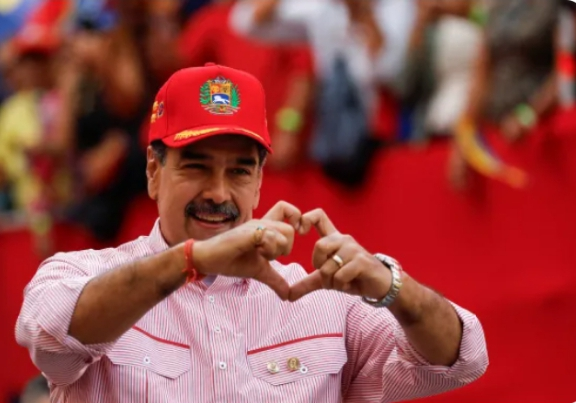
Maduro described the contact as “cordial,” maintaining that Venezuela sought peace despite increasing tension, repeated threats, and military posturing that continued raising concerns among observers throughout the hemisphere.
He expressed hope that continued communication could help create limited openings for dialogue, asserting that his country would always defend peace grounded in sovereignty, dignity, equality, and independence.
Maduro said he would not disclose further details, emphasising “prudence” and “respect,” explaining that delicate matters required a disciplined approach to prevent misinterpretation during such highly sensitive diplomatic periods.
“With the favour of God and our Commander of Commanders, Our Lord Jesus Christ, everything will go well for the peace, independence, dignity, and future of Venezuela,” he said.
His remarks followed Trump’s earlier confirmation that he had indeed spoken with Maduro, marking a rare direct exchange between two leaders embroiled in one of their most strained bilateral periods.
Trump told reporters he addressed only essential points, indicating that the outcome remained uncertain, adding vaguely that developments would “be seen” depending on future interactions between both sides.
“I spoke to him briefly, just told him a couple of things, and we’ll see what happens with that,” Trump said during his White House briefing.
He then repeated longstanding complaints about migration and drug flows, saying, “Venezuela sends us drugs, but Venezuela sends us people that they shouldn’t be sending,” reinforcing hardened rhetoric dominating his administration’s approach.
Trump previously escalated pressure by deploying the world’s largest aircraft carrier to the Caribbean, instructing forces to target alleged smuggling vessels, and warning of potential strikes on Venezuelan territory.
Officials framed the actions as part of an anti-drug strategy, defending the expansion as necessary to combat trafficking networks, despite widespread scepticism from analysts questioning the underlying political motivations.
Reports indicated that Venezuela accounted for a small fraction of global cocaine production but historically served as a transit route, creating persistent friction in Washington’s assessments and policy responses.
Maduro accused Trump of using anti-drug operations as a pretext to undermine the Venezuelan government, insisting the campaign sought to justify intervention and ultimately claim control of national oil reserves.
During a rally, Maduro asserted that Venezuela desired peace “with sovereignty, equality and freedom,” vowing resistance against what he called colonial ambitions and insisting the nation would “never” accept subjugation.
“We do not want a slave’s peace, nor the peace of colonies! Colony, never! Slaves, never!” he declared, drawing loud cheers from supporters gathered in Caracas during heightened national mobilisation.
Venezuelan officials said the nation remained ready for dialogue but simultaneously prepared for defensive measures, citing continuous military pressure from US forces moving across key Caribbean maritime approaches.
Analysts argued that the call offered a rare moment of diplomatic opening, though limited and fragile, given both leaders’ mutual distrust and sharply conflicting interests shaping the tense bilateral climate.
Observers noted that Maduro sought to project resilience, balancing internal support with cautious engagement, while Trump continued linking national security messaging to migration control and counter-narcotics justifications.
Regional experts believed the call served political objectives for both leaders, allowing each to claim initiative while maintaining rhetorical pressure aligned with respective domestic audiences and strategic priorities.
Diplomatic sources indicated concerns among neighbouring states, many fearing potential miscalculations, military incidents, or escalation following recent maritime encounters linked to US operations challenging suspected smuggling routes.
Caribbean governments privately expressed anxiety, with several urging restraint, warning that aggressive manoeuvres carried heavy risks for shipping lanes, energy security, and humanitarian conditions already strained across the region.
Human rights organisations cautioned that further escalation could deepen Venezuela’s humanitarian crisis, hamper aid deliveries, and worsen displacement affecting neighbouring countries already hosting significant Venezuelan migrant populations.
US lawmakers remained divided, some urging negotiation while others demanded continued pressure, arguing that Maduro’s governance required uncompromising enforcement mechanisms targeting alleged corruption, trafficking, and authoritarian practices.
Trump officials insisted their approach remained justified, citing intelligence reports describing trafficking routes and urging continued operational readiness to block narcotics networks exploiting maritime transit corridors.
Venezuelan analysts disputed those claims, accusing Washington of exaggeration for political purposes, contending that real motivations centred on ideological confrontation and control over strategic energy resources.
Experts said the tense environment underscored the significance of even brief communication between the leaders, though few believed the call would dramatically alter their entrenched geopolitical standoff.
Economic pressures remained severe, with sanctions continuing to limit revenue flows, constrain imports, and compound shortages of essential goods impacting daily life for millions of Venezuelans navigating worsening economic instability.
Business groups urged renewed talks, arguing that improved diplomatic engagement could unlock pathways toward easing sanctions and stimulating investment, contingent on verifiable political and institutional reforms.
Maduro reiterated that national sovereignty remained non-negotiable, insisting that any negotiation must respect Venezuelan institutions, constitutional order, and the leadership’s right to chart independent policy without external coercion.
Opposition leaders reacted cautiously, some criticising Maduro’s framing while others cautiously welcomed diplomatic contact, arguing that communication could help prevent further escalation threatening national stability.
Trump supporters in the US argued that the call demonstrated presidential strength, claiming that increased pressure forced Maduro into dialogue, while critics warned it lacked clear strategic direction.
International mediators encouraged both sides to establish sustainable communication channels, warning that missteps risked triggering broader conflict difficult to contain once hostilities escalated beyond preliminary maritime engagements.
European diplomats urged de-escalation, calling for renewed adherence to international law, humanitarian safeguards, and verification mechanisms ensuring that counter-narcotics actions did not threaten civilian populations or regional commerce.
Latin American blocs emphasised dialogue over confrontation, arguing that negotiated solutions historically outperformed punitive strategies that often deepened crises and destabilised neighbouring countries struggling with migrant inflows.
Economists warned that uncertainty surrounding the standoff discouraged investment, triggered market volatility, and complicated long-term planning essential for recovery across sectors critical to regional economic resilience.
Security analysts highlighted risks associated with carrier deployment, noting that confrontations between large vessels and regional navies could escalate quickly, especially amid heightened suspicion and hardened political rhetoric.
Humanitarian groups urged international support for displaced Venezuelans, emphasising that conflict escalation would inevitably worsen migration pressures already pushing regional infrastructure toward breaking points.
Maduro continued framing US actions as imperialist aggression, asserting that Venezuela’s resolve remained firm, while encouraging citizens to stay unified in defending independence and resisting foreign interference.
Trump supporters claimed the firm stance deterred hostile behaviour, citing military readiness as essential for national security, countering transnational criminal networks, and maintaining pressure on adversarial governments.
Policy experts warned that mutual escalation risks overshadowed diplomatic possibilities emerging from the leaders’ direct communication, despite its limited scope and uncertain future implications for bilateral relations.
State media in Venezuela promoted the call as evidence of Maduro’s leadership strength, reframing it as a sign that Washington recognised the necessity of engaging Caracas directly despite ongoing tensions.
US officials maintained that communication did not signal policy shifts, emphasising their continued commitment to addressing narcotics trafficking, migration issues, and governance concerns through sustained strategic pressure.
Latin American commentators argued that the exchange revealed political pragmatism beneath public rhetoric, as both leaders recognised benefits of limited engagement without appearing to concede ideological ground.
Militaries across the region monitored developments closely, wary of unexpected incidents involving naval assets, aircraft patrols, or disputed maritime zones vulnerable to misinterpretation during volatile operations.
Observers warned that expanded US patrols increased chances of confrontation, particularly around contested checkpoints where Venezuelan forces maintained heightened alert in response to perceived threats.
Diplomatic analysts suggested that even symbolic dialogue could reduce risk of miscalculation, providing channels for clarification during periods of heightened military activity on both sides.
Humanitarian monitors reiterated that conflict-related disruptions hindered efforts to deliver aid, increasing vulnerability among impoverished communities already coping with chronic shortages and deteriorating living standards.
Despite uncertainty, the confirmed call marked a unique moment in a tense geopolitical landscape, offering a narrow diplomatic opening amid military buildup, strategic calculations, sovereignty disputes, and public confrontation.
Regional governments indicated cautious optimism, welcoming any gesture that might prevent broader destabilisation, though acknowledging that entrenched positions and political posturing posed significant obstacles to meaningful progress.
Analysts concluded that outcomes would depend on sustained dialogue, mutual restraint, and willingness to separate political messaging from practical measures necessary to prevent dangerous escalation.
For now, both leaders kept details private, leaving the international community to interpret signals from limited statements while monitoring evolving conditions closely for signs of further diplomatic movement.
As tensions persisted, the call remained one of the few constructive developments, offering a fragile yet important window into potential de-escalation amid an increasingly volatile bilateral relationship.
About The Author