

Trump halts Project Freedom
Donald Trump has reportedly abandoned a controversial naval strategy known as “Project Freedom” after Saudi Arabia refused to allow the United States to use its military bases and airspace for operations linked to the increasingly volatile Strait of Hormuz crisis.
The proposed operation was designed to provide armed US military escorts for oil tankers trapped in the strategically vital waterway amid escalating regional instability involving Iran.
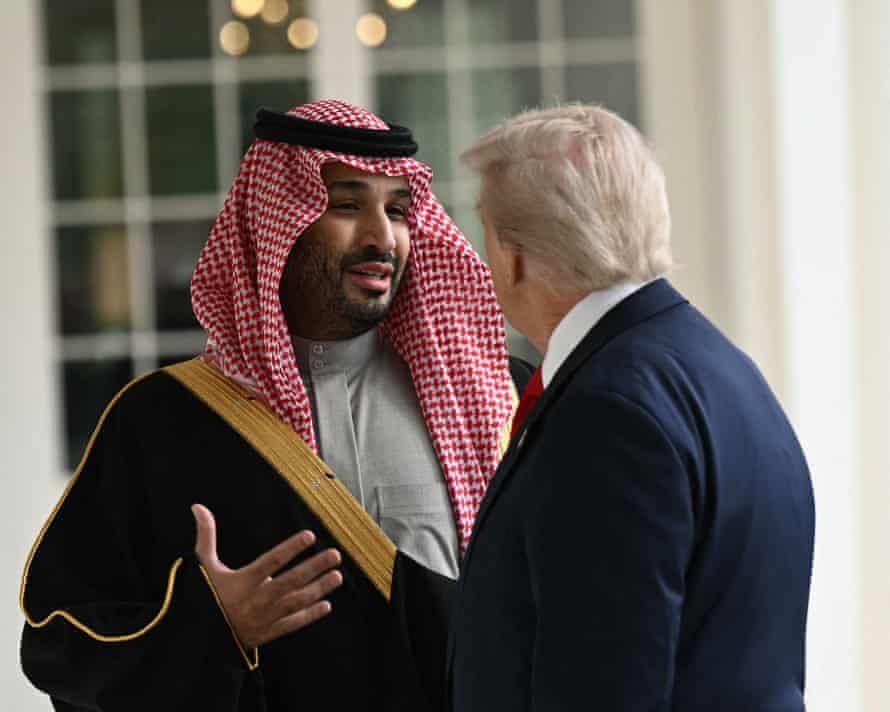
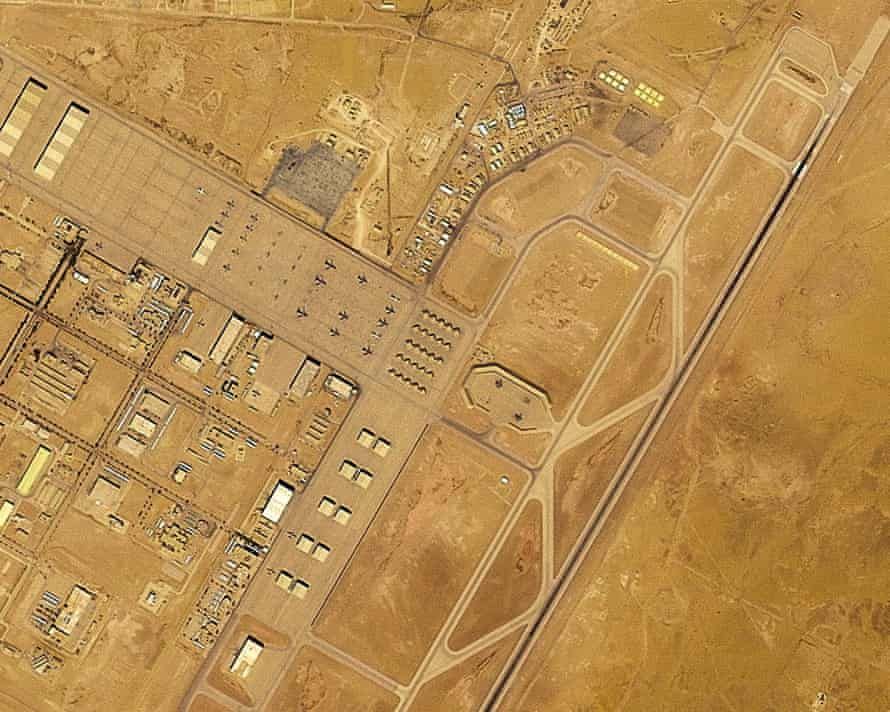
According to diplomatic sources and reports from Washington, Riyadh declined to grant access to Prince Sultan Air Base despite direct engagement between Trump and Saudi Crown Prince Mohammed bin Salman.
The decision represents a major setback for Washington’s efforts to project military strength in the Gulf and underscores growing cracks within America’s regional alliances.
Saudi Arabia Fears Wider Gulf Conflict
Saudi officials reportedly feared the operation could spiral into a direct naval confrontation between the US and Iran, threatening an already fragile ceasefire in the region.
Iran had previously warned that any American military escort for oil tankers or attacks on Iranian-linked shipping would be viewed as a violation of the ceasefire arrangement reached earlier this year.
Riyadh was also said to be deeply concerned that a renewed conflict could expose Gulf states to fresh missile and drone attacks targeting oil infrastructure, military installations and shipping routes.
The Saudis have spent months attempting to stabilize relations with Tehran after years of tensions that damaged regional economies and threatened global energy supplies.
Analysts believe Saudi Arabia’s refusal reflects increasing frustration with Washington’s handling of the crisis, with many Gulf leaders privately worried the US lacks a clear long-term strategy.
UAE Frustrated By Saudi Caution
The development has also reportedly widened tensions between Saudi Arabia and the United Arab Emirates.
While Riyadh pushed for restraint, the UAE has adopted a more assertive position toward Iran and has become increasingly frustrated with what it sees as Saudi Arabia’s cautious diplomacy.
Reports suggest Emirati leaders were angered by repeated Iranian attacks on regional assets and believed Gulf allies failed to show sufficient solidarity.
The UAE has also strengthened strategic ties with Israel in recent years through the Abraham Accords, further differentiating its regional approach from Saudi Arabia’s more measured posture.
Trump’s sudden reversal reportedly surprised senior US officials after days of strong messaging from top administration figures including Marco Rubio and Pete Hegseth, who had promoted Project Freedom as a mission aimed at guaranteeing freedom of navigation through the Strait of Hormuz.
The waterway remains one of the world’s most important oil transit routes, with roughly one-fifth of global oil shipments passing through it daily, making any military escalation there a major threat to global energy markets.
Observers now believe Washington may be forced to pursue diplomatic negotiations with Iran rather than military pressure after Saudi Arabia effectively blocked the operation.
Any prolonged disruption in the Strait of Hormuz could send shockwaves through global energy markets within days.
Read also: Jeffrey Epstein Suicide Note Unsealed By Federal Judge
The collapse of Project Freedom also highlights the shifting power dynamics in the Gulf, where traditional US allies are increasingly prioritizing regional stability over direct confrontation with Tehran.
About The Author

https://shorturl.fm/05HH8