Storm Chandra floods continue to cause widespread devastation across the UK and Ireland, with a lorry driver killed in Hampshire and dozens of families evacuated from their homes as rivers burst their banks and transport networks face prolonged disruption.
Emergency services remain on high alert as hundreds of flood warnings stay in force and further heavy rainfall is forecast in the coming days.
A man in his 60s died after his lorry crashed into a river in the New Forest on Tuesday, in what police described as a tragic incident occurring in the aftermath of Storm Chandra.
Hampshire Police confirmed the vehicle left Ringwood Road in North Gorley shortly after 1pm, with officers and emergency responders attending the scene. Despite their efforts, the driver was pronounced dead at the location, and enquiries are continuing to establish the full circumstances surrounding the crash.
As Storm Chandra floods continue to intensify, residents at Iford Bridge Home Park near Christchurch in Dorset were ordered to evacuate immediately due to a severe flood warning linked to rising levels on the River Stour.
Authorities warned of “deep and fast-flowing water” threatening the area, advising residents to pack overnight bags and leave as quickly as possible.
Around 80 homes at the residential park have now been evacuated, with electricity supplies switched off as a precautionary measure.
Many residents described the evacuation as distressing but not unexpected, with some recalling similar flooding incidents in previous years.
One resident, Ann Mallett, said the situation had become increasingly frustrating, arguing that flood prevention measures had not kept pace with worsening weather patterns.
She noted that while she was able to stay with family, others were less fortunate and faced significant uncertainty.
Elsewhere in southern England, a major incident has been declared in Somerset as torrential rain overwhelmed drainage systems and caused rivers to overflow.
Emergency planners confirmed that dozens of communities across the county had been affected, with properties inundated in towns and villages including Ilminster, Taunton, Mudford, West Coker and West Camel.
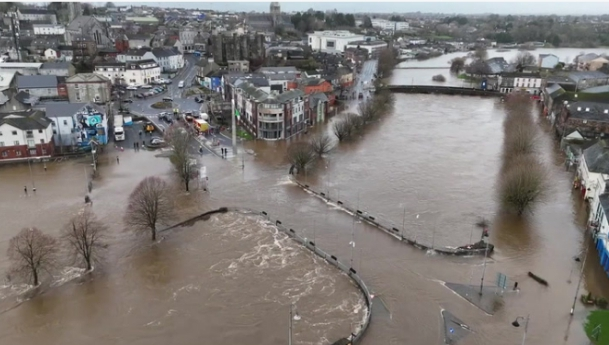
Around 50 properties are estimated to have suffered flood damage in Somerset alone, adding pressure to already stretched local resources.
Storm Chandra floods have also led to widespread disruption to education, with several hundred schools closed across the UK. More than 350 schools in Northern Ireland were shut, while numerous others across Devon and Somerset remained closed due to unsafe conditions, flooding, and ice warnings.
Parents have been advised to check local authority updates as conditions remain volatile.
The transport network has been severely impacted, with National Rail warning passengers to expect ongoing disruption until at least Friday.
Multiple train services across Devon have been cancelled, including routes to and from Exeter St Davids, while speed restrictions remain in place across parts of Scotland.
Rail operators have urged travellers to avoid non-essential journeys and to check for updates before setting out.
Ferry services have also been hit hard by Storm Chandra floods and associated high winds. Brittany Ferries cancelled sailings from Poole to Cherbourg and Bilbao, while DFDS Ferries suspended several routes linking Jersey with Portsmouth and St-Malo.
In Scotland, Caledonian MacBrayne confirmed continued disruption across the Western Isles, warning that sailings remained at heightened risk of cancellation due to strong winds and heavy sea swell.
Across Ireland, communities are beginning the clean-up after severe flooding earlier in the week, but further rain warnings suggest the situation may yet worsen.
Met Éireann issued Status Yellow rain warnings covering large parts of the country, including Dublin, Wexford, Wicklow and Waterford, citing saturated ground and high river levels as key concerns.
Northern Ireland is also under a Yellow rain warning from the Met Office, with heavy downpours forecast through Friday evening.
Storm Chandra floods have already caused extensive damage across Ireland, where rivers including the Slaney and the Dodder burst their banks.
Heavy winds and torrential rain led to power outages, flight cancellations and the closure of approximately 300 schools in Northern Ireland earlier in the week. Emergency crews continue to deal with fallen trees, flooded roads and damaged infrastructure across both rural and urban areas.
Meteorologists warn that although rainfall may ease briefly in some regions, the overall outlook remains unsettled. The Met Office forecasts cloudy conditions with further showers through the end of the week, with brisk winds and outbreaks of rain expected on Friday.
While some brighter spells may develop over the weekend, scattered showers are still likely, particularly in already flood-hit areas.
Authorities are urging the public to remain vigilant, heed weather warnings, and avoid driving through floodwater, stressing that conditions can change rapidly.
Emergency services continue to prioritise life-saving responses, while councils work to provide temporary accommodation and support to displaced residents.
Read also: South Korea former first lady jailed in bribery case
As Storm Chandra floods continue to dominate the UK’s weather outlook, questions are once again being raised about long-term flood resilience, infrastructure investment, and preparedness in the face of increasingly extreme weather events.
For many affected communities, the immediate focus remains on safety, recovery, and coping with the ongoing disruption caused by one of the most severe winter storms of the season.
About The Author