Storm Chandra has caused widespread disruption across the UK, bringing heavy rainfall, powerful winds, and severe flooding warnings.
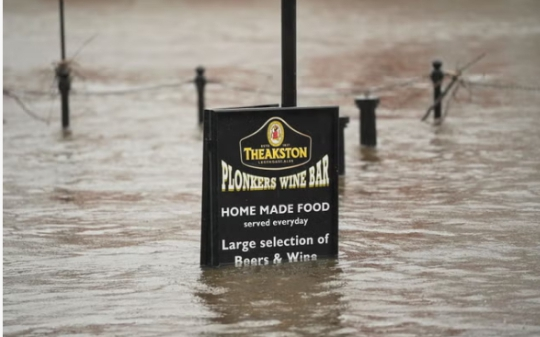
Authorities have issued a “danger to life” flood alert for the River Otter at Ottery St Mary in Devon, while more than 100 additional flood warnings are active in England, Scotland, and Northern Ireland.
The extreme weather is forcing school closures, road and rail disruptions, and flight cancellations, making travel across the country hazardous. Residents have been urged to take precautions, avoid unnecessary journeys, and stay informed about local conditions.
Northern Ireland has been particularly affected, with nearly 250 schools closed due to adverse weather conditions. The Met Office has issued an amber warning for high winds along the eastern coast of Northern Ireland, running from early morning to late evening.
The warning highlights the potential danger from flying debris and emphasizes the risk to life and property. Local authorities have also advised families to stay home where possible, as travel is considered unsafe in many areas.
Additional yellow warnings for rain and wind cover much of Northern Ireland, with officials urging caution on roads and public transport.
Roads across Devon and Cornwall are experiencing flooding and surface water, causing some routes to become impassable.
The police have released a list of affected roads, including the A30 at Daisy Mount, A30 around Honiton, London Road in Cranbrook, and the A3052 near Clyst St Mary.
Several other key routes, such as the A377 at Downes and Newton St Cyres, the A303 at Upottery, B3177 Iron Bridge, and A382 Wray Barton, are also blocked or dangerous to drive on.
Motorists have been warned against attempting alternative routes, as these areas are also prone to flooding and have already trapped vehicles in rising waters.
Emergency services have been heavily involved in rescue operations. Devon & Somerset Fire and Rescue Service reported rescuing occupants from 25 vehicles caught in floodwaters on Tuesday morning.
Fortunately, there were no casualties. Firefighters highlighted that floodwater can be deeper and move faster than it appears, stressing the importance of turning back rather than attempting to drive through submerged roads.
Images shared on social media by Axminster Fire Station showed multiple vehicles abandoned in rising water, illustrating the hazards faced by drivers. Authorities are also advising residents to secure outdoor property and remove valuable items from low-lying areas prone to flooding.
Air travel across the UK has been severely disrupted by Storm Chandra. Belfast City Airport cancelled more than 30 flights, affecting both domestic departures and arrivals.
Airlines including Aer Lingus, Aer Lingus Regional, and British Airways were among those impacted. Scottish regional carrier Loganair cancelled at least 12 flights between key routes, such as Manchester to Newquay and Isle of Man, Liverpool to Isle of Man, and Glasgow to Islay, Campbeltown, and Tiree.
Ferry services are also affected, with Stena Line overnight ferries between Liverpool and Belfast cancelled and morning sailings delayed.
In Scotland, Caledonian MacBrayne cancelled multiple routes from Oban to Mull, Iona, Barra, Coll, and Tiree, leaving travelers stranded and requiring alternative arrangements.
Rail services are also disrupted, with closures and delays across England, Wales, and Scotland. The West Coast Main Line is closed between Wilmslow and Crewe after a fallen tree blocked the track and caused electricity supply failures. Speed restrictions are in place on several routes in southern England, including between Exeter and Newton Abbot.
Other affected lines include Romsey to Salisbury, Weymouth to Dorchester, and Axminster to Honiton.
In Wales, the “Heart of Wales” line between Swansea and Shrewsbury is blocked, while in Scotland the West Highland line from Glasgow to Oban and Fort William faces speed restrictions.
Passengers are advised to check updates from operators such as Avanti West Coast, CrossCountry, and ScotRail before traveling.
Storm Chandra follows the impact of Storm Ingrid, which battered southwest England over the weekend, causing flooding and washing away parts of a historic pier.
Read also: Iran protest death toll rises amid claims of disappeared bodies, mass burials
Meteorologists predict more rainfall and gusty winds in areas already weakened by recent storms, raising fears of further flooding, property damage, and road closures.
Rivers in Devon, Cornwall, and parts of Wales are being closely monitored for rising levels, with local authorities issuing flood alerts and advising residents to prepare sandbags and protective measures.
The Environment Agency has been working with councils to monitor high-risk areas and respond quickly to emergency situations.
Schools in affected regions have taken a cautious approach. In Devon, 47 schools have either closed entirely or delayed opening, citing transport challenges and flooding risks.
Northern Ireland has seen the closure of hundreds of schools due to similar safety concerns. Local councils have encouraged parents to stay home with children and avoid travel unless absolutely necessary.
In addition, some schools have altered schedules for staff and pupils, with lessons postponed or delivered online to maintain education continuity during the extreme weather.
Authorities continue to emphasize safety and preparedness as Storm Chandra progresses. Residents in flood-prone areas are advised to move valuable belongings to higher ground and secure property against strong winds.
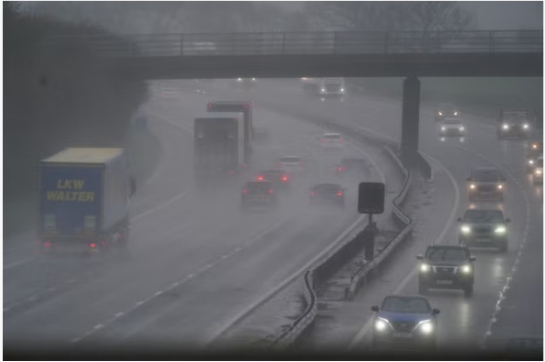
Travel warnings extend to drivers, pedestrians, and cyclists alike, with particular caution urged on bridges and exposed routes. High-sided vehicles are at increased risk, with several bridges, including the Humber and Severn, restricted or closed.
Emergency services remain on high alert to respond to incidents, including stranded vehicles, fallen trees, and localized flooding.
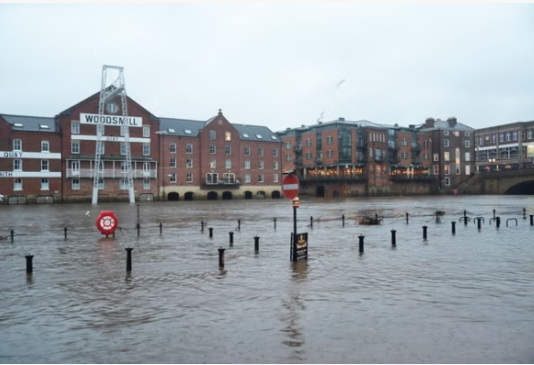
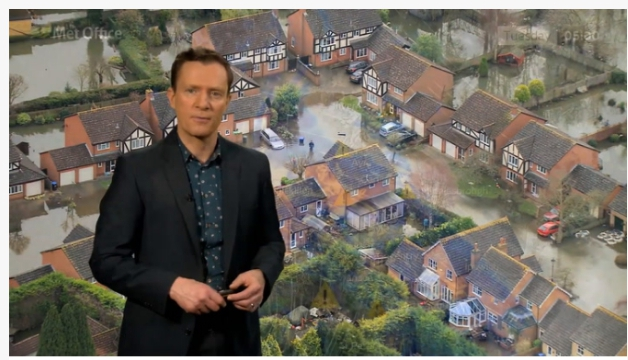
In cities like York, the River Ouse has already burst its banks, flooding streets and low-lying areas. Residents in these regions are being urged to remain indoors, avoid flooded roads, and follow official guidance for evacuations if required.
Local councils are coordinating sandbag distribution, temporary shelters, and monitoring water levels to reduce the impact on communities.
Meanwhile, coastal regions and estuaries are under observation for potential tidal surges, particularly in areas already saturated by prior rainfall.
For those traveling during the storm, updates from the Met Office and transport operators are crucial. Live information is available for rail, road, air, and ferry services.
Travelers are encouraged to delay journeys where possible, check flight and ferry cancellations, and plan alternative routes if travel is unavoidable.
Drivers must be alert for surface water, fallen debris, and sudden wind gusts that can make even short trips dangerous.
The public is also advised to maintain emergency supplies at home, including food, water, and medications, in case further weather disruptions occur.
Storm Chandra underscores the continuing threat of extreme weather events in the UK. With heavy rainfall, strong winds, and potential flooding affecting multiple regions, authorities, residents, and travelers must remain vigilant.
Ongoing monitoring and timely action remain essential to protect lives, reduce property damage, and maintain essential services.
Citizens are urged to follow local guidance, keep up to date with warnings, and prioritize safety until the storm passes.
About The Author