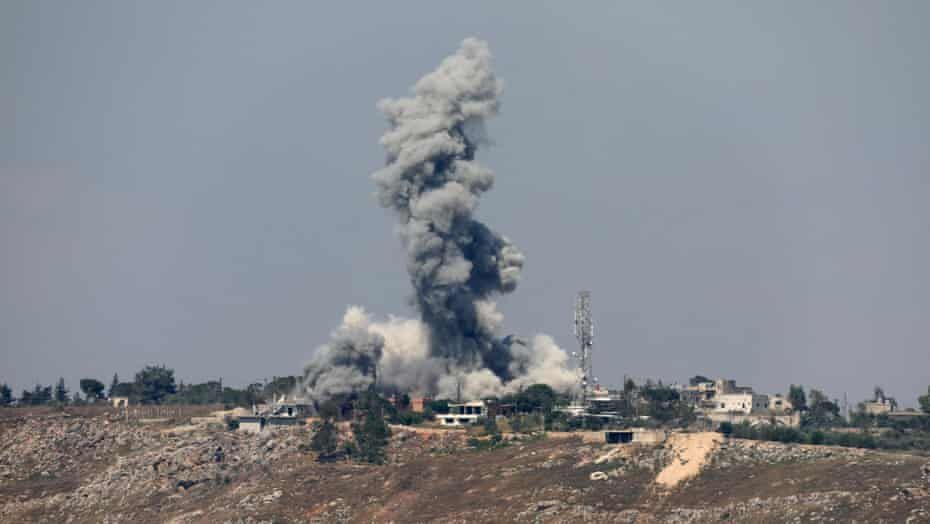

The Israel-Hezbollah ceasefire became the focus of international attention after United States President Donald Trump announced what he described as a breakthrough agreement designed to halt hostilities between Israel and Hezbollah.
The announcement came amid fears that the conflict could expand into a wider regional war, particularly after threats of military action against Beirut’s southern suburbs heightened tensions across Lebanon. While the declaration briefly raised hopes for peace, conflicting statements from both sides quickly cast uncertainty over whether the agreement would hold.
Trump Claims Diplomatic Efforts Produced Ceasefire Agreement
President Trump revealed that extensive diplomatic contacts had taken place with Israeli Prime Minister Benjamin Netanyahu and individuals linked to Hezbollah. According to Trump, both sides agreed to halt attacks in order to prevent further escalation.
Speaking about the development, Trump suggested that diplomacy had successfully prevented an imminent crisis. He indicated that Israel would refrain from launching planned strikes on Beirut if Hezbollah ceased attacks into Israeli territory.
The announcement was immediately viewed as a significant diplomatic intervention, with observers noting that the region stood dangerously close to a wider confrontation.
Why the Announcement Matters
The significance of the Israel-Hezbollah ceasefire extends beyond Lebanon and Israel. Analysts believe that any reduction in hostilities could help stabilize an already fragile Middle East landscape, where multiple conflicts and geopolitical rivalries continue to intersect.
For civilians living in affected areas, even a temporary cessation of violence would provide desperately needed relief after months of uncertainty, displacement and fear.
Conflicting Statements Raise Questions
Despite the optimism generated by Trump’s announcement, doubts emerged within hours. Officials and representatives from both camps appeared to offer differing interpretations of what had actually been agreed upon.
Hezbollah lawmaker Hassan Fadlallah reportedly dismissed suggestions of a partial ceasefire arrangement. According to reports, he argued that any agreement would need to address broader issues rather than isolated military actions.
Meanwhile, Netanyahu emphasized Israel’s right to continue military operations if attacks against Israeli citizens persisted.
His position reflected Israel’s long-standing security doctrine. Netanyahu reportedly maintained that any ceasefire could only survive if Hezbollah halted hostile actions completely.
These conflicting positions immediately raised concerns among international observers about the durability of the proposed arrangement.
Beirut Residents Flee Amid Strike Fears
The announcement came after one of the most tense periods in the recent conflict. Israeli authorities had signaled preparations for strikes against what they described as Hezbollah-linked targets in Beirut’s southern suburbs.
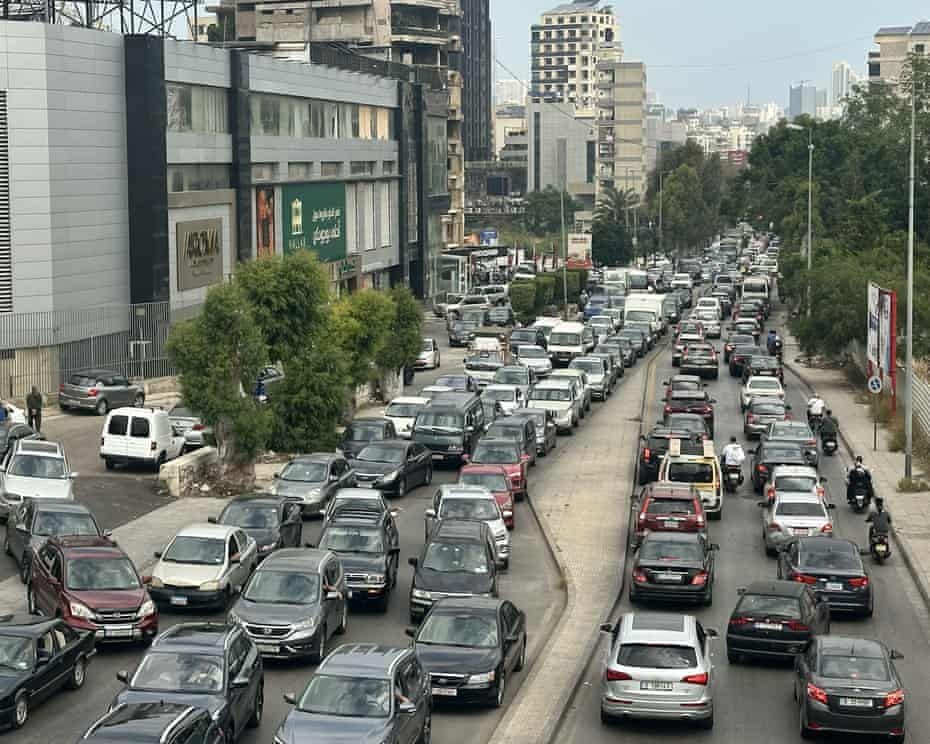
The threat triggered widespread panic among residents.
Thousands of families reportedly evacuated affected neighborhoods, carrying belongings and searching for safer areas. Images of crowded roads and hurried departures highlighted growing fears that a major military assault was imminent.
Humanitarian Concerns Continue to Grow
Humanitarian organizations warned that additional military operations could worsen an already severe crisis.
Many residents have already endured repeated displacement since hostilities intensified. Access to healthcare, education and essential services has become increasingly difficult in several parts of Lebanon.
Aid agencies stressed that a lasting Israel-Hezbollah ceasefire would be necessary to prevent further suffering among civilians caught in the conflict.
Lebanon Conflict Escalation Complicates Regional Diplomacy
The ongoing violence has also affected broader diplomatic efforts throughout the Middle East.
Reports indicated that Iran suspended certain peace discussions following Israel’s military activities in Lebanon. Iranian officials reportedly argued that meaningful regional negotiations could not continue while fighting remained active.
The development created additional challenges for international mediators attempting to reduce tensions across multiple fronts.
Trump nevertheless remained optimistic about future diplomatic progress.
“We will get back to negotiations very soon,” Trump reportedly stated, expressing confidence that diplomatic channels remained open despite recent setbacks.
Impact on Regional Stability
Experts note that the conflict involves more than just two parties.
The confrontation has implications for regional security, energy markets, international diplomacy and humanitarian conditions. Any escalation risks drawing additional actors into the crisis, increasing the potential consequences for the wider Middle East.
For this reason, governments around the world continue to monitor developments closely.
Previous Ceasefire Attempts Failed
One reason for skepticism surrounding the latest announcement is the history of unsuccessful ceasefire efforts.
Although ceasefire declarations were made earlier in the year, violence continued across several areas.
Military exchanges, airstrikes and retaliatory attacks repeatedly undermined attempts to establish lasting peace.
As a result, many observers have adopted a cautious approach toward the newest proposal.
Read also: Trump tells Americans to ‘sit back and relax’ after Iran Peace talks stall
Political analyst Karim Haddad summarized this concern, stating, “The challenge is not announcing a ceasefire. The challenge is ensuring both sides consistently respect it.”
His observation reflects a broader sentiment among experts who believe enforcement mechanisms will be crucial.
European Leaders Call for Restraint
The latest developments prompted reactions from several world leaders.
French President Emmanuel Macron joined officials from the United Kingdom and Germany in urging restraint. European governments expressed concern that continued military action could intensify the humanitarian crisis and destabilize the region further.
Macron reportedly emphasized the importance of honoring ceasefire commitments and pursuing diplomatic solutions.
International Pressure Mounts
Diplomatic pressure on both sides has increased significantly.
Governments and international organizations have repeatedly warned that further escalation could have devastating consequences for civilians and regional security.
Many leaders argue that dialogue remains the only sustainable path toward long-term peace.
Military Operations Continue in Southern Lebanon
Despite ceasefire discussions, military activity has remained intense in southern Lebanon.
Israeli forces have reportedly advanced deeper into Lebanese territory than at any time since the end of Israel’s occupation in 2000. Strategic locations have become focal points of military operations, raising concerns that both sides are attempting to strengthen their positions before future negotiations.
Security experts suggest this dynamic may complicate efforts to achieve a comprehensive settlement.
As one regional analyst observed, “Parties often seek leverage on the battlefield before entering serious political talks.”
Such realities underscore the fragile nature of current diplomatic efforts.
What Happens Next?
The future of the Israel-Hezbollah ceasefire remains uncertain.
While Trump’s announcement temporarily reduced fears of an immediate strike on Beirut, questions remain regarding implementation, verification and compliance. Continued military activity and conflicting public statements demonstrate the challenges facing negotiators.
For millions of people affected by the conflict, the coming days will be critical.
A successful ceasefire could open the door to broader diplomatic progress and humanitarian relief. Failure, however, could result in renewed violence and an even deeper regional crisis.
As world leaders continue negotiations behind closed doors, civilians across Lebanon and Israel remain hopeful that diplomacy will ultimately prevail over conflict. Whether the latest initiative becomes a lasting peace agreement or another short-lived truce will likely determine the next chapter in one of the Middle East’s most volatile confrontations.