The Andy Burnham Chagos deal dispute has intensified after US President Donald Trump described the agreement involving Mauritius as “terrible” and “ridiculous” during his first face-to-face meeting with the British prime minister.
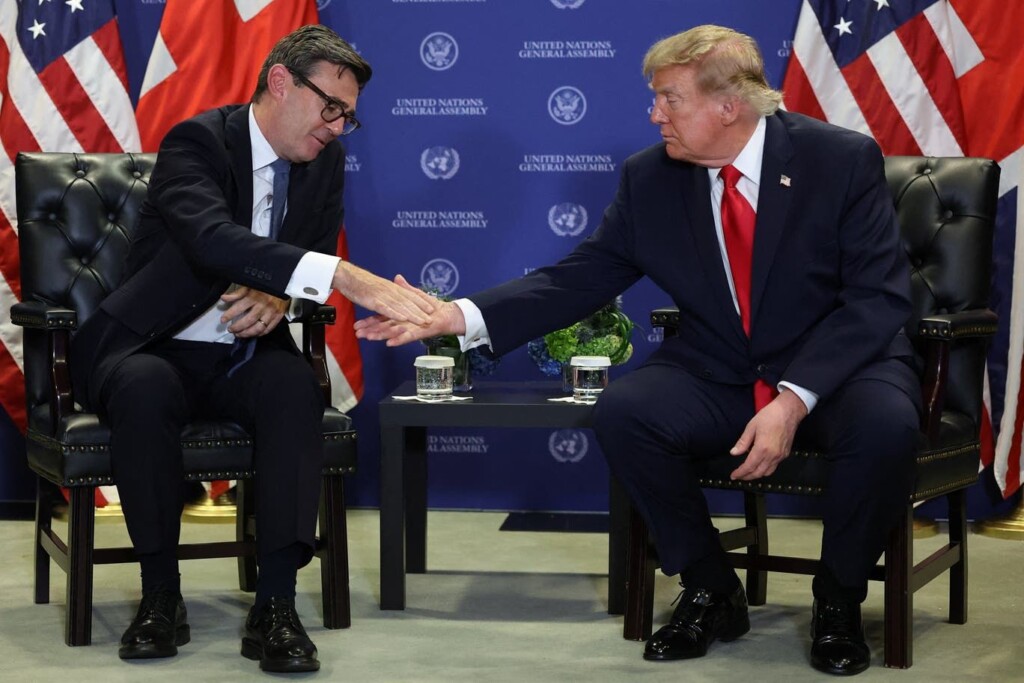
Trump’s comments came after the two leaders met on the sidelines of the 81st United Nations General Assembly in New York, where they discussed trade, energy, immigration, security and other issues affecting the UK-US relationship.
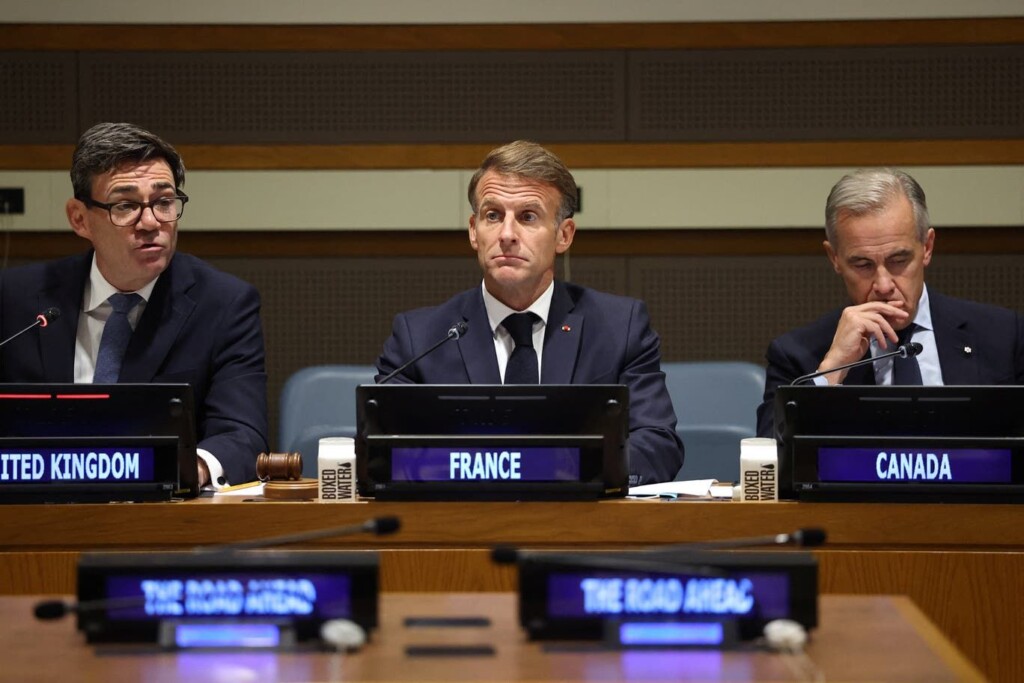
The meeting lasted about 40 minutes and was accompanied by friendly public remarks from both leaders, despite differences over the Chagos Islands agreement and other foreign-policy issues.
Trump described Burnham as a “natural business person” and said of the UK-US relationship: “I think right now, based on my relationship with your prime minister, Andy, I think we’re doing very well.”
Burnham, meanwhile, said he and Trump had “established a good connection” during their initial discussions, adding that they had “taken that further today” through their latest meeting.
Trump Raises Concerns Over Chagos Islands Deal
The Chagos Islands agreement became one of the most significant areas of disagreement during the meeting.
Trump described the islands as a “very important piece of real estate, militarily and strategically” for both Britain and the United States.
He also criticised the agreement under which Britain would transfer sovereignty over the Chagos Islands to Mauritius while retaining arrangements for the strategic military base on Diego Garcia.
Trump called the arrangement a “terrible deal” and indicated that Burnham would be “looking at it”. Burnham paused before responding “yep” when asked about reviewing the agreement.
The dispute has previously delayed the legislative process needed to implement the agreement. Reuters reported that Britain had agreed to transfer sovereignty to Mauritius while retaining a 99-year lease over Diego Garcia, but US objections have complicated the process.
Diego Garcia at Centre of Dispute
Diego Garcia, the largest island in the Chagos archipelago, hosts a strategically important joint UK-US military facility.
The proposed arrangement would allow Britain to maintain the military presence through a long-term lease while sovereignty over the wider Chagos Islands would pass to Mauritius.
Burnham said protecting the future of the base was a central concern for Britain and the United States.
“It’s critical to safeguard the future of the base, and that matters to us for security reasons, but also clearly to the United States as well,” he said.
He added that Britain would “work to find that resolution between the different sides” and said he was confident that an agreement could eventually be reached through cooperation with US partners.
Burnham Says Resolution Is Needed
Asked whether the Chagos deal was effectively dead following Trump’s criticism, Burnham did not give a definitive answer.
Instead, he described the agreement as something he had inherited and stressed the need for a resolution involving the relevant parties.
“The assurance I gave was I will work towards a resolution, at the moment we don’t have that, but I gave an assurance that I would commit to working towards one,” Burnham said in comments reported separately after speaking with Mauritius Prime Minister Navin Ramgoolam.
Take this poll: https://ireport247news.com/2027-oyo-governorship-poll/
The issue therefore remains unresolved, with Britain seeking to protect the future operation of Diego Garcia while addressing disagreements surrounding the proposed sovereignty transfer.
The UK had previously signed the agreement with Mauritius, but parliamentary approval required to bring it into effect has not been completed.
Falkland Islands Also Raised With Trump
Burnham also used his meeting with Trump to raise the status and security of the Falkland Islands.
The British prime minister said he felt obliged to make London’s position clear following comments from Trump that had raised questions about the circumstances in which the United States would respond to a possible future Argentine move against the islands.
“I felt I owed it to the people, obviously in the Falklands and back at home, to make the position very clear and that’s what I’ve done today,” Burnham said.
The Falkland Islands remain a longstanding sovereignty dispute between Britain and Argentina, although the islands are administered by Britain.
Burnham’s decision to raise the issue placed territorial security alongside the Chagos Islands, trade and other bilateral matters discussed during his first meeting with Trump.
Trade, Energy and Immigration Discussed
Trump said the meeting covered a wide range of issues, including Rolls-Royce, energy and immigration.
“And we talked about everything from Rolls-Royce to energy to immigration – we covered a lot,” Trump said.
He also praised Burnham’s recent electoral performance and said he believed the British prime minister could become a successful leader.
“I think he’s going to be a great prime minister. I think he’s got a lot of assets on his side,” Trump said.
Trump also said: “It’s a really special country and we are with you all the way, Mr prime minister.”
Burnham said he had raised a specific issue involving US tariffs and their effect on an unnamed factory in northeast England.
AI Policy Reveals Another Difference
The meeting also highlighted a difference between the two governments over artificial intelligence.
Burnham has called for internationally agreed rules and standards governing advanced AI, while Trump has criticised what he described as a “globalist scheme” for regulating the technology.
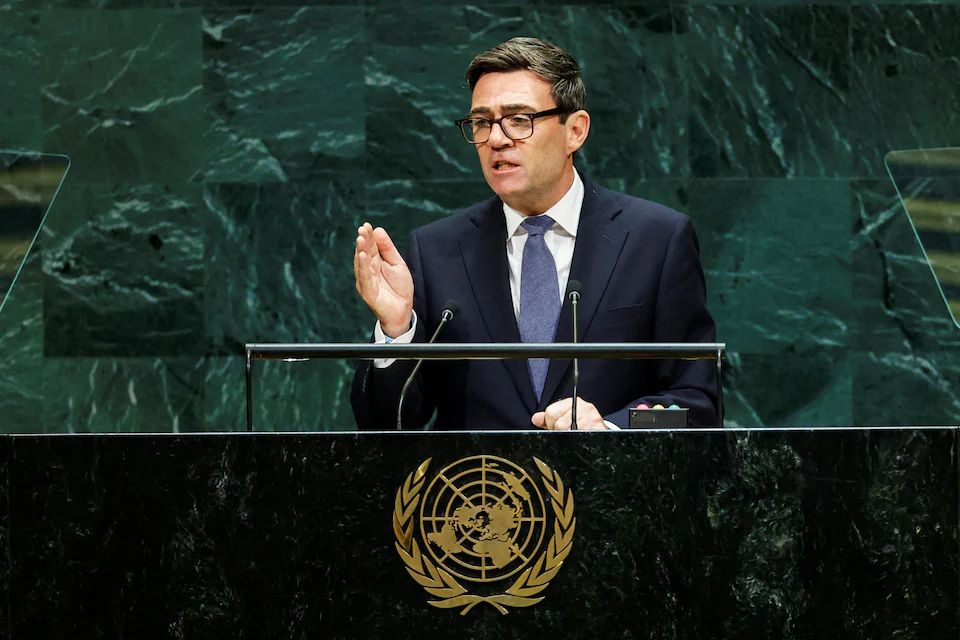
Burnham made AI a major theme of his first UN General Assembly speech, arguing that governments should work towards common principles covering transparency, access and safety.
“We will work towards agreeing a single set of global principles and standards to ensure the transparency and access we need to increase our preparedness – and to ensure that AI development is safe,” Burnham told world leaders.
He has also announced plans for a National Centre for Information Defence to detect and disrupt hostile state information operations and identify damaging deepfakes.
Burnham Presents Vision for Britain
During his UN appearance, Burnham also rejected the suggestion that Britain was in decline, arguing that the country could pursue a new direction after years of political and economic turbulence.
He told Trump that Britain had experienced “too much turbulence” and said his government would set out a 10-year plan for the country.
“I think you responded when I said we are going to lay out a plan for Britain, a 10-year direction,” Burnham said.
“The country’s got so much going for it, and it’s time to turn the story about Britain to a positive story, get some hopefulness going around the country, and I think you were saying today that very much is how you see it.”
Trump responded: “Right.”
Burnham’s comments formed part of his broader effort at the UN to present Britain as an active international partner while rebuilding relationships with the United States, Europe and other major powers.
Russian Disinformation Claims
Burnham also used his UN speech to warn about hostile information campaigns and alleged Russian efforts to influence public opinion in Britain.
“Russian agencies have used every means at their disposal to spread lies and disinformation and prey on people’s fears,” he said.
Read more here: Andy Burnham UN speech: UK ready to lead global push on AI standards
“They’ve used bots and fake websites. Falsified newspaper articles. Forged the branding of 28 British organisations – including universities and the BBC. They’ve amplified far right narratives. And we have evidence that they tried to interfere with the 2019 General Election.”
Russia has rejected such allegations.
Burnham said the threat was becoming more complicated because artificial intelligence could increase the scale and sophistication of information operations.
“And we know that AI will multiply the threat,” he said.
The Chagos Islands dispute, meanwhile, remains a separate issue requiring negotiations involving Britain, Mauritius and the United States, particularly over the future of Diego Garcia.
For Burnham, the immediate task is to work towards an arrangement that addresses the disagreement while maintaining the military base’s future and Britain’s wider diplomatic relationships.