The Iran strikes tankers in Hormuz incident has escalated the US-Iran war. Iran’s Islamic Revolutionary Guard Corps said Friday it hit two oil tankers passing through the strait under US military escort. Energy prices have soared again.
The attack happened as Donald Trump gathered his cabinet. They met to discuss the stalling war and rising prices ahead of US midterm elections. Four other tankers reportedly turned back immediately after the strike.
WHY IRAN TARGETED THE TANKERS
The Islamic Revolutionary Guard Corps said the ships were “non-compliant.” They claimed the tankers tried to pass via an “undeclared route” under US aerial escort. The strike brought two tankers to a halt.
“Non-compliant oil tankers … were struck and brought to a halt, while four other oil tankers quickly changed course and returned to their previous positions,” the IRGC stated Friday in a public announcement.

The Strait of Hormuz carries 20% of the world’s oil. Any disruption there hits global markets fast. Prices jumped after fighting between the US and Iran resumed two weeks ago across the region.
The US has not confirmed damage or casualties. But the incident puts American forces directly in confrontation with Iran. Washington now faces pressure to respond before midterm elections arrive.
Energy analysts expect more volatility next week. If Hormuz shipping is threatened further, oil could spike past $120 a barrel. That would hurt consumers ahead of winter.
DONALD TRUMP UNDER PRESSURE AS WAR SPREADS
This marks a dangerous expansion of the US-Israel war on Iran. What began with air strikes has now moved to naval attacks in Gulf waters. Diplomacy appears completely stalled.
Trump’s cabinet is divided on next steps. Options include sanctions, cyber attacks, and increased naval patrols. “Strong military action” was warned if diplomacy fails with Tehran.
Energy markets reacted immediately Friday morning. Oil prices climbed 4% as traders feared Hormuz could close. Consumers in the US and Europe will likely pay more at the pump.
Iran says it acted to enforce maritime law. The IRGC accused the tankers of ignoring proper channels. The US disputes Iran’s version and calls it an unprovoked attack on commerce.
Allies like Saudi Arabia and UAE asked for more US protection. They fear being dragged into a wider regional war. Shipping insurers may raise Gulf premiums significantly.
The strike shows Tehran’s willingness to target US-protected ships. That raises the risk of direct clashes between US and Iranian forces in the Gulf this month.
Four tankers diverted after the attack. Captains cited safety concerns and changing routes. The message is clear: passing Hormuz under escort is no longer safe.
Trump faces political risk at home. Voters are watching oil prices and troop safety closely. A weak response looks bad. A big strike risks another Middle East war.
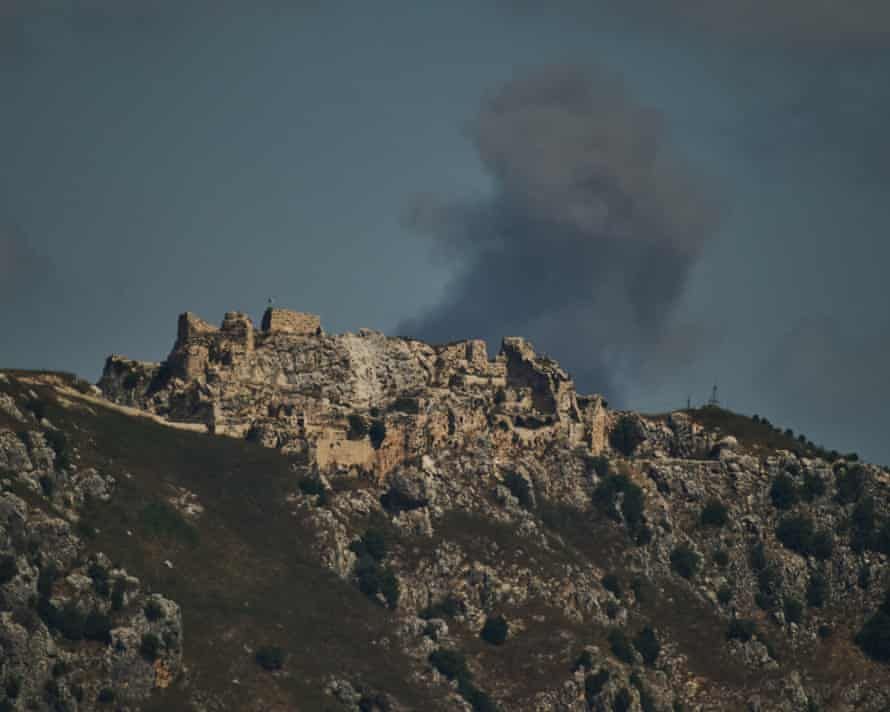
The Guardian reported the incident from Beirut. Tensions have spread across the Middle East since fighting resumed. Iraq and the Red Sea are also active hotspots now.
Iran faces internal crises too. But striking tankers projects strength abroad. It also pressures Washington during an election year when gas prices matter to voters.
The US Navy has increased patrols since Thursday. Aerial escort is now standard for tankers. Friday’s attack proves even that may not prevent Iranian strikes.
Analysts warn the region is in “uncharted territory.” US-Saudi strikes in Iraq and Houthi attacks have already destabilized shipping lanes across the Middle East.
Iran’s economy is under sanctions pressure. Targeting tankers gives Tehran leverage in negotiations. It also signals they will not back down under US military presence.
Washington insists freedom of navigation must be protected. The Pentagon said US forces will continue escorting commercial vessels through international waters despite risks.
The Islamic Revolutionary Guard Corps celebrated the operation. State media called it a warning to “foreign aggressors” interfering in Gulf waters without permission.
Oil companies are reviewing insurance policies. Some carriers have paused bookings through Hormuz. That could create supply bottlenecks if the standoff continues into next month.
Trump warned earlier this week of retaliation. He said a “massive attack” decision was close if Iran did not stop provocations in the region.
Democrats in Congress urged restraint. They fear another war will dominate midterms. Republicans pushed for a stronger show of force to deter future Iranian aggression.
The Strait of Hormuz is only 21 miles wide. That makes it easy to monitor and attack. Both sides know controlling it means controlling global oil flows.
China and Russia have called for de-escalation. Both have economic ties to Iran and buy discounted oil. They do not want prices to spike and hurt growth.
European leaders met in Brussels Friday. They discussed emergency oil reserves and diplomatic outreach to Tehran. The EU wants to avoid being caught in US-Iran crossfire.
Shipping traffic data shows delays building. Tankers are waiting outside Hormuz for US escort. That backlog could take weeks to clear if attacks continue.
The US-Israel war on Iran has widened fast. From airstrikes to naval strikes, the conflict now threatens global trade and energy security directly.
For now, the Strait of Hormuz remains open but tense. Friday’s Iran strikes tankers in Hormuz attack changed the rules for Gulf shipping permanently.

The world waits on Trump’s decision. War, energy, and politics now hinge on what happens next in the Strait of Hormuz and Washington.
If diplomacy fails, analysts expect more strikes. If talks resume, oil prices may stabilize. Either way, the Gulf will stay volatile through the election season.
This is the most serious naval confrontation since 2019. Back then, tanker attacks also pushed oil prices up and nearly triggered US military response.
Iran says it will defend its waters. The US says it will defend free passage. That collision course makes Hormuz the world’s most dangerous chokepoint today.
Markets hate uncertainty. Traders sold stocks Friday after the news. Gold and the dollar rose as investors sought safe havens amid Middle East escalation.
The next 48 hours are critical. Trump’s cabinet must choose between escalation and restraint. Either path carries huge economic and political consequences.
For Gulf states, the risk is existential. A closed Hormuz means no exports. A war means damaged infrastructure and displaced populations across the region.
The Iran strikes tankers in Hormuz incident is not just about oil. It is about power, deterrence, and who controls the world’s most vital waterway.
Read also: Ceuta Migration Crisis: 18 dead as 49,000 storm Spain’s border – What you need to know now
As night fell in Washington, the White House stayed silent. Officials said the president was “reviewing all options” with military and diplomatic advisors.
One thing is certain. The Strait of Hormuz will define the next phase of the US-Iran conflict. And the world is watching every move closely.
About The Author