

The Fifa World Cup sell-off plan has been scrapped. Gianni Infantino confirmed Friday that Fifa will not sell stakes in the World Cup to private investors after a week of outrage. The decision ended one of football’s biggest crises.
The proposal triggered instant backlash. Uefa threatened boycotts, senior officials resigned, and confederations rejected the deal. Infantino said he listened to concerns and chose unity over division.
WHY THE FIFA FORWARD ENTERPRISE COLLAPSED
Fifa unveiled the Fifa Forward Enterprise earlier this week. It aimed to raise hundreds of millions by selling part of the World Cup commercial rights. The promise was over $10bn for 211 member associations.
Each federation could get $20m for signing by September 19. U.S. firm Thrive Capital was leading investors. Fifa said the cash would help nations that need support most.
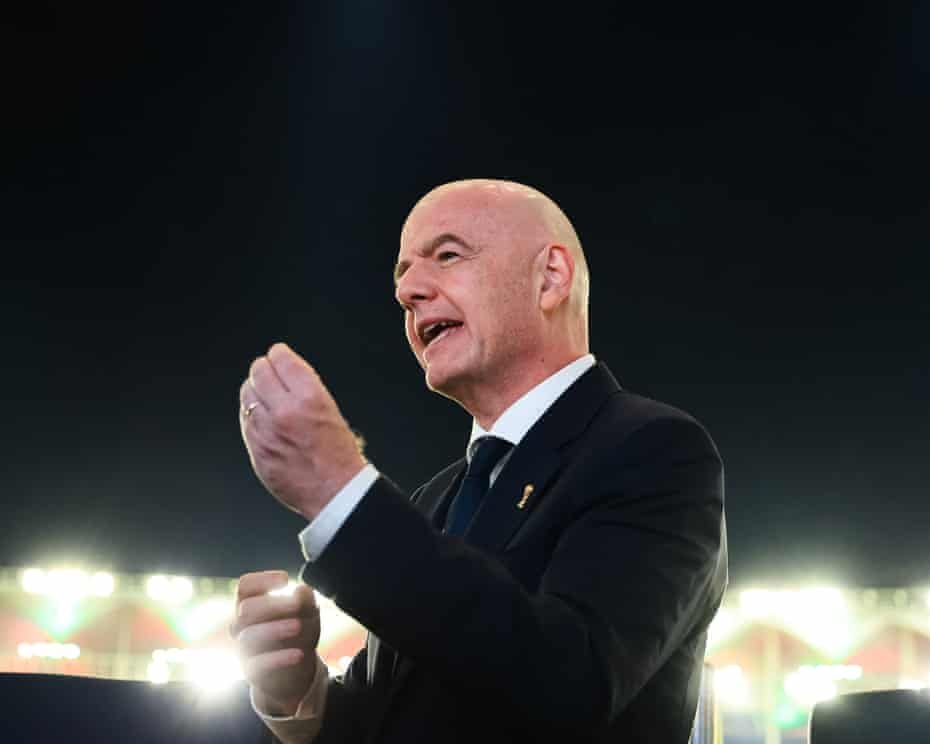
Europe led the revolt. Uefa held an emergency meeting Thursday and agreed to boycott future Fifa tournaments. Concacaf and the Asian Football Confederation also condemned the plan.
Inside Fifa, pressure mounted fast. Advisor Carlos Cordeiro resigned Friday. COO Kevin Lamour accused Infantino of “serious lack of respect” for pushing it without consultation.
“Having listened carefully to all the views, it has become clear that the project has created divisions,” Infantino stated. “This proposal will not proceed.”
GIANNI INFANTINO FACES POLITICAL SURVIVAL TEST
This is the biggest crisis of Gianni Infantino’s presidency. He called the move necessary to protect football politics and global unity. Many say trust is now broken.
“Our purpose has always been – and will always be – to unite and improve,” Infantino said. “Moving forward, my intent is to bring all interested parties back together in the spirit of shared interest.”
Manchester Mayor Andy Burnham demanded Infantino resign over “outrageous” World Cup plans. The criticism came from politicians, fans, and federations alike.
Infantino retains support in Africa. But without Europe, Asia and North America, he had no path to pass the Fifa World Cup sell-off plan.
Reports say Thrive Capital also got cold feet. Watching football implode made investors wary of brand damage and fan backlash.
Federations were already angry over the Folarin Balogun case three weeks ago. That dispute left deep wounds before this new fight began.
Now eyes turn to Fifa’s $4bn reserves. Some believe Infantino could use that money for payouts instead of selling equity to calm members.
Uefa and others are seeking candidates for next year’s Fifa election. Infantino was expected to win a fourth term easily. That looks uncertain now.
The revolt proved confederations can block Fifa together. Boycott threats worked and shifted power back to the regions.
The Fifa Forward Enterprise was meant to transform funding. Instead it exposed fears about selling the soul of the game.
For fans, the relief is simple. The World Cup will not be part-owned by private equity. The tournament stays under Fifa control.
But many small nations wanted that $10bn. They face real gaps in funding for youth, stadiums, and development programs across continents.
Selling World Cup commercial rights felt wrong to many. Critics warned investors could influence schedules, formats, and sponsorship deals.
Fifa argued the Fifa World Cup sell-off plan would grow football globally. Opponents said it risked turning the World Cup into a financial product.
The Asian Football Confederation released a strong statement. It said the proposal threatened the integrity of international competition.
Concacaf agreed and demanded more consultation. They want revenue, but not at the cost of losing control over football’s future.
Uefa’s unified stance was decisive. A European boycott forced Fifa to abandon the entire Fifa Forward Enterprise immediately.

Infantino now promises dialogue in coming weeks. He wants to rebuild consensus and find alternative ways to fund member associations.
Whether that restores credibility is unclear. The Fifa World Cup sell-off plan damaged relationships across every confederation.
This is about more than money. It is about who controls football and how decisions get made at the top of the sport.
The episode shows centralized decisions no longer work. Member associations demand transparency and a real voice in Fifa.
For Infantino, survival depends on new funding without selling assets. Using reserves could buy time before the 2027 election.
But the political damage is severe. Resignations and public rebukes show how isolated he became in just seven days.
Football’s economy is under pressure. Broadcast deals, Club World Cup expansion, and rising costs all strain Fifa’s finances.
The Fifa World Cup sell-off plan tried to unlock capital fast. It failed because it ignored the cultural value of the World Cup.
Read also:Man United Transfer News: Lewis Hall, Manu Kone, and Rashford updates as Carrick prepares for Atletico
Fans and federations sent one message. The World Cup is not for sale in pieces to private investors.
What happens next defines Infantino’s legacy. He must balance growth with the trust of 211 member associations worldwide.
The next few months will test Fifa’s unity. Rebuilding after the Fifa World Cup sell-off plan collapse requires compromise from everyone.
For now, football breathes. The game’s biggest prize remains intact, and the fight over its future continues.
About The Author


