Five members of the Iran women football team seek safety in Australia following their elimination from the Women’s Asian Cup, according to reports. The players reportedly avoided returning to Iran amid fears for their well-being.
The incident has drawn attention internationally, highlighting the precarious situation for athletes under strict regimes. Sources indicate the women slipped past team minders and are now receiving police protection on the Gold Coast, Queensland.
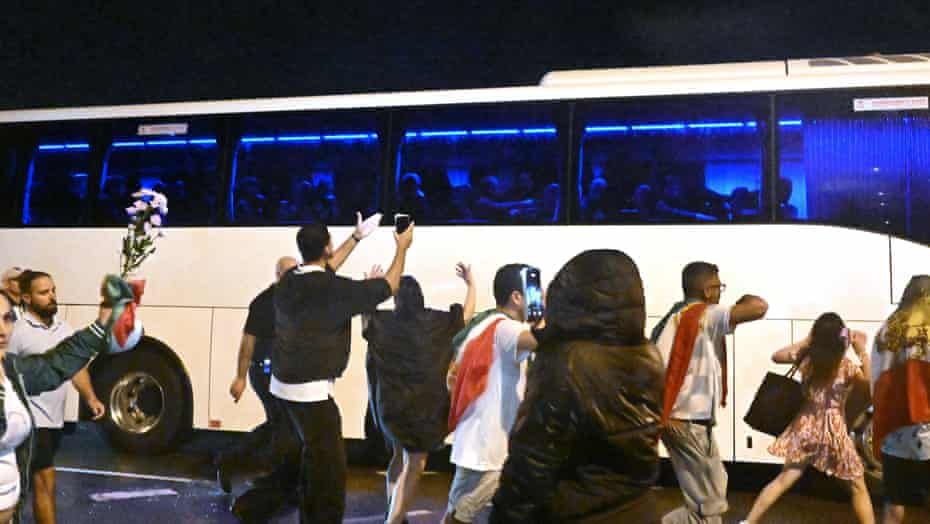
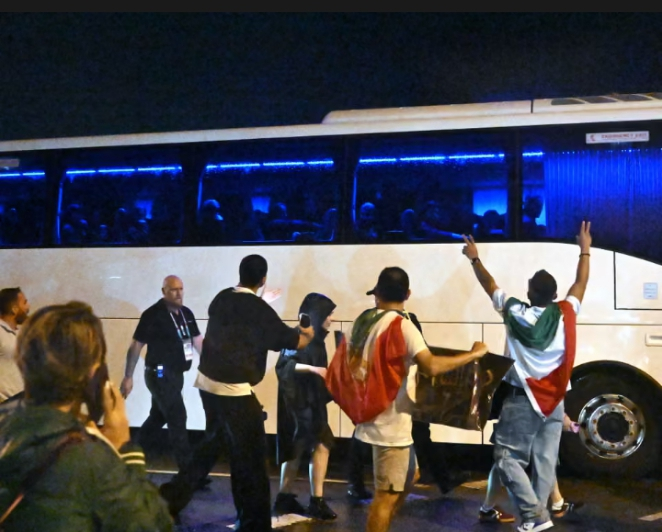
Tensions escalated at the Royal Pines hotel as protesters gathered outside, waving signs in solidarity with the players. Observers described the scene as chaotic, with hotel staff and security trying to control access.
Reports suggest the players were previously labelled “traitors” after declining to sing their national anthem before the tournament began, adding to fears that returning to Iran could be dangerous.
On Sunday, their 2-0 defeat to the Philippines ended Iran’s campaign in the Asian Cup exit, intensifying speculation that some team members might pursue asylum in Australia to avoid persecution.
Human rights activists have commended the Australian authorities for intervening. Hadi Karimi, a Brisbane-based advocate, told local media: “Police protection has ensured these women are somewhere safe. It’s a vital step for their immediate security.”
The Department of Home Affairs has reportedly begun processing initial asylum claims after discreet consultations with the players. Officials are said to be working quickly to maintain confidentiality and security.
Beau Busch, Asia/Oceania president of Fifpro, the global players’ union, emphasized the players’ right to autonomy. He stated, “The Iran women football team seek safety, and they must have agency over their next steps, whether they stay or leave Australia.”
Busch urged Fifa and the Asian Football Confederation to exert pressure to guarantee human rights protections. “It’s critical every lever is used. These women’s choices must be respected, and their safety maintained,” he said.
Protesters outside the stadium previously displayed the international distress signal for help. Some players appeared to respond, silently acknowledging support as they boarded buses to leave after matches.
The situation has sparked broader discussion about athletes and political expression. Observers note that women’s sports in Iran have long been tightly regulated, with restrictions on attire, conduct, and public presence.
Australia’s intervention has been described as unprecedented. Federal Home Affairs Minister Tony Burke reportedly flew to Queensland to meet the players, signaling high-level government engagement in the matter.
Local communities have offered support, providing temporary housing, food, and emotional assistance. Social media posts under hashtags supporting the team have amplified awareness of the women’s predicament.
International organizations are now calling for structured protocols to protect athletes fleeing politically sensitive situations. The case of the Iran women football team seek safety may set a precedent for future sporting events.
The players’ experience underscores the intersection of sports, politics, and human rights. Experts suggest it could catalyze policy discussions within Fifa regarding protective measures for athletes at risk.
Observers caution that while immediate safety is addressed, long-term decisions regarding asylum or repatriation remain complex, involving legal, diplomatic, and personal considerations.
Media coverage has focused on both the bravery of the players and the swift response by Australian authorities. Analysts suggest this could influence broader international responses to similar incidents.
Human rights advocates argue that the attention gained may pressure international sports bodies to enforce stricter protections and uphold athlete freedoms, particularly for women competing under authoritarian regimes.
The Asian Cup exit has thus not only been a sporting disappointment but also a catalyst for global human rights scrutiny, highlighting the challenges faced by women athletes in politically restrictive countries.
Authorities continue to coordinate with legal and humanitarian experts to ensure that the players are informed, supported, and protected while their asylum claims proceed.
The unfolding situation demonstrates the delicate balance governments face when responding to politically sensitive incidents involving foreign nationals in their jurisdiction.
The Iranian diaspora has actively voiced support, organizing rallies and petitions to keep international attention focused on the players’ safety and rights.
Fifpro has pledged continued advocacy and monitoring, ensuring that the players’ voices remain central to decisions about their immediate and long-term futures.
Read also: Roman Abramovich fights to keep £2.5bn from Chelsea sale
Australia’s actions may also prompt other nations to reconsider their protocols for athlete safety during international competitions, potentially influencing future human rights concerns in sports globally.