The UK suspends student visas for four countries in an unprecedented move, citing widespread abuse of the asylum system. The Home Office announced that nationals from Afghanistan, Cameroon, Myanmar, and Sudan will no longer be eligible for certain study visas, alongside specific work visas for Afghan citizens.
Home Secretary Shabana Mahmood emphasised that while Britain remains committed to protecting those fleeing war and persecution, the country’s visa system cannot be exploited.
The suspension, described by officials as “unprecedented,” follows a growing pattern of individuals using legal migration routes to gain asylum, a phenomenon that reportedly accounted for nearly 39% of all asylum claims in 2025.
Government data indicates that students from the four affected countries formed the largest portion of this spike, leading to urgent reforms in UK visa policy.
Ms Mahmood highlighted that the UK’s generosity must not be taken advantage of.
“Britain will always provide refuge to people fleeing conflict, but our visa system must not be abused,” she said, reinforcing the government’s position that stricter enforcement is now necessary.
Officials indicated that this suspension represents the first large-scale restriction of visas tied to asylum abuse, signaling a significant shift in the UK’s immigration policy approach.
Previous threats of visa suspensions for countries including Angola, Namibia, and the Democratic Republic of Congo were used to negotiate cooperation agreements for returning illegal migrants. These past measures resulted in successful deportations, a precedent the Home Office hopes to replicate with the new visa suspensions.

The Home Office argues that legal pathways such as study visas were increasingly being exploited as backdoors for asylum. Afghan nationals, in particular, faced the dual impact of halted study and work visas, with officials stressing that these actions are meant to restore “order and control” to Britain’s borders.
Immigration rules changes formalising these suspensions are set to be published on Thursday, making the measures legally enforceable.
The move comes amid wider plans to review asylum claims every 30 months, with refugees from countries deemed safe expected to return home.
The government believes that by limiting legal routes to asylum, the UK can reduce incentives for individuals to misuse the system. Ms Mahmood is expected to outline further reforms to tighten asylum procedures in a speech scheduled for Thursday, focusing on enforcement, monitoring, and deterrence.
Critics argue that the suspension could impact genuine students seeking education opportunities in the UK. However, the Home Office maintains that the measure is targeted specifically at nationals from the four countries showing patterns of exploitation.
Officials claim that this approach balances the UK’s humanitarian obligations with the need for an orderly and secure immigration system.
The affected countries—Afghanistan, Cameroon, Myanmar, and Sudan—have not formally responded to the suspension, though diplomats and education agencies in London have begun consultations with the Home Office to address potential humanitarian concerns.
Universities in the UK are preparing to advise current international students from these nations on their options, including visa extensions for those already enrolled.
Asylum claims via student and work visas have been monitored closely since 2021.
Home Office figures show a steady rise in claims, culminating in a peak in 2025. The government’s position is that by halting new visa grants, the UK can focus resources on processing existing claims more efficiently and prevent future misuse.
Read also: Iran-US war latest: Trump says ‘too late’ for talks as Israel strikes Tehran and Lebanon
The suspension has been described internally as “unprecedented” because it simultaneously affects multiple visa categories across several countries. Officials note that previous visa halts were limited in scope, whereas this new policy targets a broader demographic, reflecting the scale of the perceived exploitation.
Public reaction in the UK has been mixed. Some advocacy groups warn that the suspension could unfairly penalise genuine students seeking education, while others argue that stricter controls are necessary to maintain integrity in the asylum system.
Policymakers emphasize that these measures are intended as corrective, not punitive, aiming to prevent misuse rather than limit access for those in genuine need.
In her announcement, Ms Mahmood stressed that the UK remains open to refugees from war-torn regions but insists on responsible use of legal migration channels. “We are committed to providing refuge, but exploitation of study and work visas cannot continue unchecked,” she said.
The Home Office also highlighted the broader strategy of bilateral agreements with foreign governments to facilitate the return of illegal migrants, a method previously employed successfully with other nations.
The visa suspension is expected to have both immediate and long-term effects. Short-term, applicants from the four countries will be unable to submit new visa requests. Long-term, the government hopes the measure will act as a deterrent against future asylum misuse while maintaining the UK’s commitment to lawful, structured migration.
Home Secretary Shabana Mahmood reinforced that the UK will continue to protect those fleeing genuine persecution while ensuring the visa system is not exploited as a loophole for illegal immigration.
The policy also serves as a signal to other nations that the UK is serious about controlling legal migration routes and reducing asylum claims stemming from misuse.
Officials stress that the policy is temporary but could be extended or modified based on future assessments. The Home Office plans to publish regular updates on visa applications, asylum claims, and enforcement actions to ensure transparency and accountability.
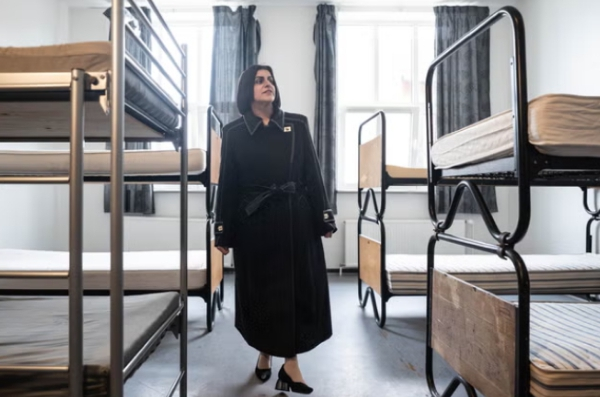
The government believes that such measures are crucial for maintaining public confidence in the immigration system.
The UK suspension of student visas for four countries represents a landmark step in addressing asylum abuse. By halting new visa grants for nationals from Afghanistan, Cameroon, Myanmar, and Sudan, the government aims to protect the integrity of the immigration system while continuing to provide refuge for those in genuine need.
About The Author