CIA Chief Warns Russia During Rare Moscow Visit
The CIA chief warns Russia against attacking NATO members during a rare Moscow meeting, according to US media reports, as the Kremlin dismisses the claims as “scare stories.”
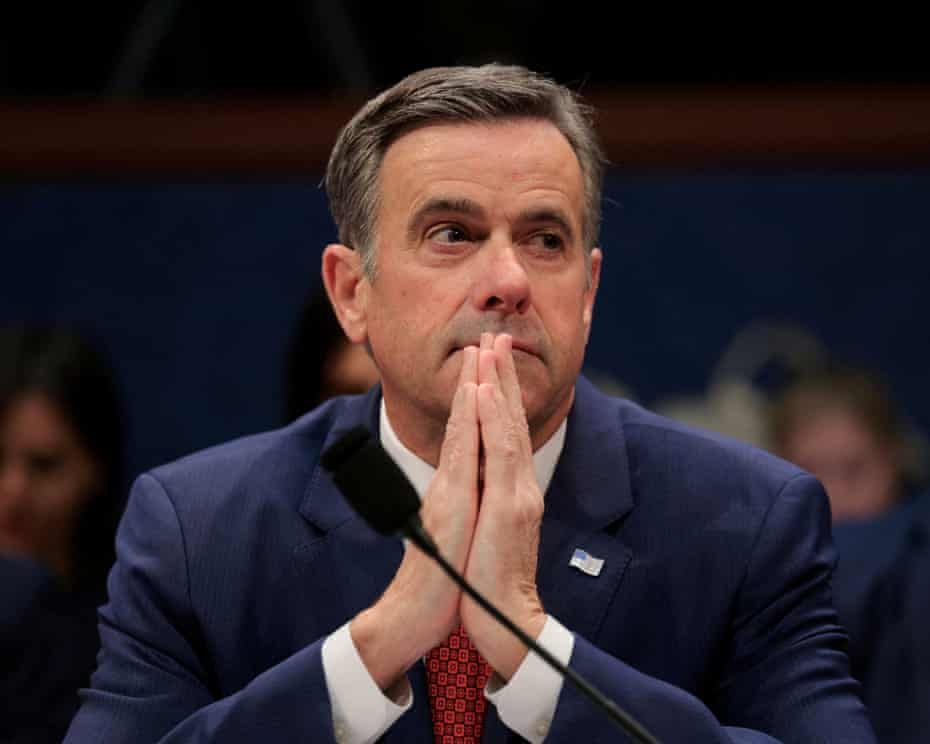
CIA Director John Ratcliffe reportedly travelled to Moscow aboard a US government aircraft on Tuesday, becoming one of the highest-ranking American officials to visit Russia since the Ukraine war began.
The Wall Street Journal and CBS News reported that Ratcliffe’s mission included an effort to discourage Moscow from attacking NATO members amid US intelligence assessments that Russia could seek to test the alliance.
The reports suggested President Vladimir Putin could potentially test NATO with a “limited assault” within the next few years, raising fresh concerns over the alliance’s security and Washington’s response.
However, the circumstances surrounding Ratcliffe’s trip remain closely guarded, with the White House, CIA and Pentagon declining to provide detailed public explanations about his discussions in Moscow.
Kremlin Rejects Reports As ‘Scare Stories’
The Kremlin moved quickly to dismiss reports that Ratcliffe travelled to Moscow to warn Russia against attacking NATO countries, insisting the allegations did not reflect Moscow’s intentions.
Kremlin spokesperson Dmitry Peskov described the reports as “scare stories” during a Thursday briefing, rejecting suggestions that Russia was preparing to test NATO’s collective defence commitments.
“A lot of such scare stories are being published right now,” Peskov said. “Of course, they have nothing to do with reality.”
Russia’s foreign intelligence chief, Sergei Naryshkin, separately confirmed that he met Ratcliffe, but sought to portray the encounter as a conventional intelligence engagement rather than an extraordinary diplomatic intervention.
“Yes, the meeting did take place, but there is nothing unusual about it,” Naryshkin was quoted as saying by Russia’s state news agency TASS.
According to Naryshkin, the two officials discussed “a number of issues that fall within the remit of intelligence services,” describing the matters as “quite a delicate and special” area.
Trump Downplays Ratcliffe’s Moscow Mission
US President Donald Trump has also sought to reduce speculation surrounding the John Ratcliffe Moscow visit, describing the meeting as “semi-routine” while saying Washington remains focused on ending the Ukraine conflict.
Speaking with conservative radio host Glenn Beck, Trump rejected suggestions that Ratcliffe had gone to Moscow because Washington feared Putin was preparing to test NATO’s resolve.
“None of the above,” Trump said when Beck raised the possibility, dismissing the speculation as “crazy” and insisting Ratcliffe’s mission was not about NATO or intensified pressure on Iran.
“He’s there, you know, very sort of semi-routine. I hate to disappoint people,” Trump said, adding that the United States wanted to see the war in Ukraine brought to an end.
Trump also praised Ratcliffe as a “fantastic guy” and indicated that something could emerge from the discussions, although he did not disclose what was discussed during the Moscow engagement.
Iran And Ukraine Also Feature In Reports
The CIA chief warns Russia development comes amid increasingly complicated relations between Washington and Moscow, with the Ukraine war and Iran conflict creating additional points of tension.
CBS News reported, citing people familiar with the matter, that Ratcliffe also discussed the war in Iran and warned about possible additional sanctions if the Strait of Hormuz remained closed to shipping traffic.
The reported discussions are significant because Russia and the United States have found themselves increasingly divided over several major international security issues, including Ukraine, Iran and European defence.
Peskov said Russia would prefer to achieve its objectives in Ukraine through peaceful means, but claimed Moscow was continuing its military operation because it believed a diplomatic opportunity remained unavailable.
“We would prefer to achieve our objectives by peaceful means,” Peskov said, “but in the absence of an opportunity to do so, it is continuing the special military operation.”
The Kremlin spokesperson also accused European supporters of Ukraine of pursuing what he described as a “very aggressive policy” towards Russia.
NATO Tensions Intensify
The Russia NATO tensions surrounding Ratcliffe’s visit come as fighting in Ukraine continues and concerns grow about Moscow’s longer-term intentions towards the military alliance.
US intelligence assessments cited by American media reportedly indicate that Russia could attempt to probe NATO’s willingness to respond collectively, although Moscow has rejected the suggestion.
Ratcliffe’s visit is particularly notable because CIA directors rarely travel to Moscow, especially during periods of severe confrontation between Washington and the Kremlin.
The last CIA director to visit Moscow was William Burns in November 2021, when he warned Putin about the consequences of sending Russian forces into Ukraine.
Russia subsequently launched its full-scale invasion three months later, turning the conflict into Europe’s largest war since the Second World War and creating years of confrontation between Moscow and Western governments.
The CIA has nevertheless maintained intelligence contacts with Russia, including involvement in prisoner-exchange arrangements, demonstrating that communication channels have remained open despite the wider deterioration in relations.
Washington Reviews European Defence
Ratcliffe’s Moscow meeting also coincided with discussions in Brussels over America’s future military commitments to Europe and NATO’s conventional defence responsibilities.
US Pentagon policy chief Elbridge Colby told NATO allies that European countries had made progress in assuming greater responsibility for their conventional defence but still needed to do more.
“Let’s look at some of things like access, basing, overflight,” Colby said, pointing to issues that Washington and European allies must resolve as defence responsibilities evolve.
Colby stressed that Europe remained a critical US interest, but his comments came amid discussions about potential changes to American troop deployments across the continent.
The timing adds another layer to the Trump Moscow talks, as Washington attempts to balance its European security commitments with efforts to negotiate an end to the Ukraine war.
Moscow Meeting Raises More Questions
The CIA chief warns Russia reports have therefore intensified attention on a meeting that both Washington and Moscow have attempted to portray as less significant than outside observers initially assumed.
While Ratcliffe and Naryshkin’s discussions remain largely undisclosed, the meeting demonstrates that intelligence channels between the United States and Russia remain active despite their profound strategic disagreements.
Meanwhile, Russia continues rejecting Ukrainian demands for direct peace negotiations between Putin and President Volodymyr Zelensky, while maintaining demands concerning Ukraine’s eastern Donbas region.
The situation remains fluid, with battlefield developments, sanctions, NATO security concerns and Washington’s diplomatic efforts all shaping the broader relationship between Russia and the West.
For now, there is no public confirmation from Washington that Ratcliffe explicitly warned Moscow against attacking NATO members, meaning the central claim remains based on reports from US media sources familiar with the matter.
Nevertheless, the combination of Ratcliffe’s unusual Moscow trip, intelligence concerns about NATO and continuing military tensions has ensured that the visit receives intense international scrutiny.
The Kremlin’s dismissal of the reports as “scare stories”, Trump’s description of the mission as “semi-routine”, and Ratcliffe’s silence have left the precise purpose of the meeting unclear.
About The Author