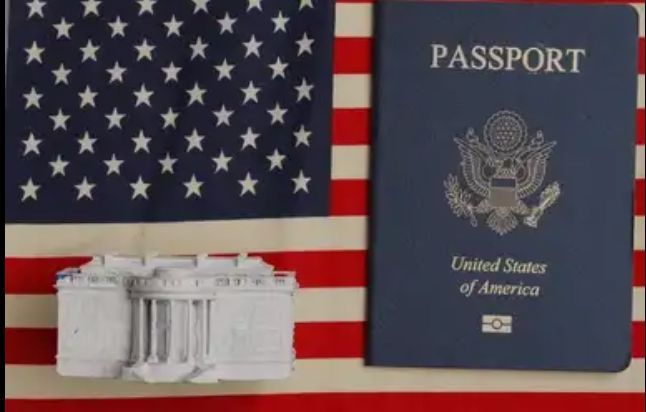
Ukraine’s NATO membership remained the central issue during lengthy Moscow negotiations between Russian officials and senior United States envoys, underscoring the geopolitical divide shaping efforts toward an eventual peace settlement.
Russian aide Yury Ushakov said Washington appeared willing to consider Moscow’s concerns, although no breakthrough emerged from the nearly five-hour meeting that generated cautious diplomatic expectations.
Ukraine argues its NATO membership is essential for long-term security against Russian aggression, maintaining only the alliance’s collective defence mechanism can prevent further incursions following years of sustained hostilities.
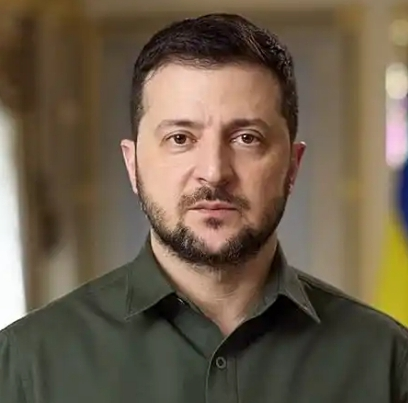
Moscow continues rejecting Ukrainian accession, insisting such a shift constitutes an unacceptable strategic threat, with officials repeatedly emphasising the issue remains fundamental to any future political resolution.
US President Donald Trump characterised the Moscow meeting as “reasonably good,” noting Russia appeared strongly interested in negotiating, although he admitted the diplomatic trajectory remains uncertain and unpredictable.
Trump highlighted that successful negotiations require commitment from both parties, insisting agreements are impossible unless each side demonstrates readiness to compromise sufficiently for meaningful, lasting progress.
Ukrainian President Volodymyr Zelenskyy later said pressure on Russia must accompany ongoing diplomatic activities, warning optimism alone cannot deliver peace without sustained international leverage targeting Moscow’s decision-making.
Zelenskyy stressed the world recognises a window of opportunity to end the war, insisting combined diplomatic momentum and strategic pressure remain essential to achieving a credible peace framework.
European allies reinforced Ukraine’s stance during a NATO ministerial gathering, accusing Russia of continuing aggression and demonstrating no genuine intention to cease battlefield operations or pursue constructive political solutions.
Estonian Foreign Minister Margus Tsahkna said Kremlin behaviour reveals unchanged ambitions, asserting Moscow remains determined to advance militarily while publicly presenting an appearance of diplomatic engagement.
Russian spokespeople dismissed claims they opposed the US peace initiative entirely, arguing negotiations are more productive when handled discreetly and without premature public disclosures complicating sensitive diplomatic discussions.
Ukraine’s Foreign Minister Andrii Sybiha confirmed US envoy Steve Witkoff briefed Kyiv following the Moscow meeting, describing American assessments as cautiously positive despite the evident absence of concrete breakthroughs.
Sybiha said Ukrainian representatives expected another invitation to Washington soon, following recent discussions in Florida where delegations examined possible frameworks for future negotiations involving all stakeholders.
The White House reported that Witkoff and Jared Kushner updated Trump and Ukrainian officials after a “thorough, productive meeting” with Putin, emphasising ongoing contacts remained focused on realistic outcomes.
NATO Secretary-General Mark Rutte insisted Russia is wrong to believe it can outlast Western support, emphasising alliance unity remains firm, with member states pledging substantial additional assistance.
Rutte highlighted that two-thirds of NATO members committed new military support, including billions in weaponry for Ukraine, signalling long-term backing regardless of Russian attempts to exhaust external assistance.
Hungary, however, reiterated its refusal to contribute weapons or funding for Ukraine, with Foreign Minister Peter Szijjarto accusing European partners of war-driven fanaticism undermining rational decision-making.
Szijjarto said Europe’s mainstream NATO members were frustrating Trump’s peace efforts, arguing current strategies escalate tensions unnecessarily rather than promoting constructive diplomacy capable of delivering sustainable stability.
Reporting from Kyiv, correspondents observed the Moscow meeting failed to advance Washington’s goal of reaching a mutually acceptable settlement, leaving the process appearing increasingly stalled.
Analysts note attention now centres on Trump’s next steps, questioning whether he will pressure Ukraine into concessions or potentially withdraw engagement if progress remains elusive.
Observers warn a loss of American interest would carry significant consequences, risking a power vacuum enabling Russia to dictate conditions more aggressively amid ongoing battlefield operations.
In other regional developments, the European Union agreed to phase out Russian gas imports by 2027, aiming to weaken Moscow’s revenues and demonstrate solidarity with Ukraine.
European Commission President Ursula von der Leyen said reducing dependence on Russian energy strengthens unity, deprives Putin of financial resources, and reinforces Europe’s long-term strategic resilience.
Meanwhile, Ukraine’s parliament approved its 2026 budget, allocating more than a quarter of national GDP to defence spending, procurement, and domestic production of weapons and military equipment.
Zelenskyy welcomed the budget approval, describing it as a demonstration of national resilience and financial preparedness, ensuring the armed forces maintain necessary capabilities throughout the coming year.
He emphasised defence, social support, and reconstruction remain national priorities, insisting Ukraine must sustain its capacity to defend territory while rebuilding areas devastated by Russian attacks.
Military analysts argue Kyiv’s heavy defence allocation reflects expectations of continued fighting, given Russia’s renewed offensives and entrenched battlefield positions across multiple contested regions.
Diplomatic experts maintain NATO membership remains an unavoidable component of Ukraine’s long-term security, even if short-term negotiations require calibrated approaches preserving room for political manoeuvring.
They note Russia’s insistence on blocking NATO expansion underscores the strategic stakes, revealing deeper concerns about alliance presence near its borders and perceived encirclement risks.
American officials privately acknowledge the NATO issue cannot be resolved quickly, recognising any decision requires Ukrainian consent, alliance consensus, and long-term security calculations shaped by evolving realities.
Negotiators face the challenge of bridging mutually exclusive positions: Ukraine demands protection through integration, while Russia seeks guarantees limiting Western military infrastructure near its frontier.
Security analysts highlight that the evolving battlefield situation influences negotiation dynamics, with each side measuring leverage through territorial control, momentum, and perceived international backing.
Recent Russian offensives indicate Moscow’s intent to strengthen bargaining power, attempting to secure positions enabling more favourable negotiating terms should diplomatic talks resume meaningfully.
Ukrainian forces continue resisting across multiple fronts, supported by Western weaponry and training, though officials acknowledge manpower shortages and resource strains remain significant challenges.
Washington policymakers stress any peace agreement must avoid rewarding aggression, warning premature concessions risk undermining global norms governing territorial sovereignty and collective security arrangements.
European capitals similarly insist negotiations cannot legitimise territorial seizures, maintaining sustainable peace requires full respect for internationally recognised borders and accountability for actions undertaken during the conflict.
The Kremlin nevertheless maintains territories it controls will not be surrendered, signalling that Moscow expects eventual negotiations to reflect what it describes as “new realities.”
This hardened stance complicates efforts to develop frameworks reconciling Ukraine’s territorial integrity with Russia’s demands, making the central dispute exceptionally difficult to resolve diplomatically.
Despite entrenched positions, diplomats emphasise negotiations remain indispensable, as neither side appears capable of achieving a decisive military victory capable of ending the conflict outright.
The broader international community continues evaluating possible mediating roles, though geopolitical rivalries and divergent interests limit the effectiveness of external pressure on the principal actors.
Strategic analysts argue that without aligned incentives, both sides may prolong the conflict, believing time could shift conditions more favourably despite continued human and economic losses.
Humanitarian agencies warn prolonged warfare deepens suffering for civilians across Ukraine, intensifies displacement, and jeopardises essential infrastructure critical to daily life and national recovery prospects.
Experts contend meaningful progress requires coordinated diplomatic pressure, military support calibrated to strategic objectives, and political frameworks balancing security guarantees with enforceable commitments.
For now, Ukraine’s NATO membership remains the defining issue shaping the trajectory of negotiations, influencing battlefield strategies, international alignment, and the long-term security architecture of Europe.
Washington and Kyiv argue durable peace requires anchoring Ukraine within a protected framework, while Moscow insists such a shift threatens regional stability and undermines its strategic sphere.
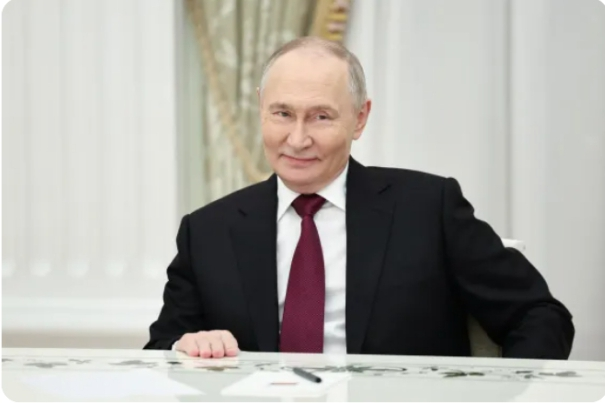
These incompatible perspectives ensure the NATO debate remains central, underscoring why the latest Moscow discussions, although substantive, failed to deliver concrete movement toward resolution.
As diplomatic channels remain open, the world continues watching whether upcoming engagements can narrow differences, resolve core disputes, and move the conflict closer to an eventual ceasefire.
About The Author