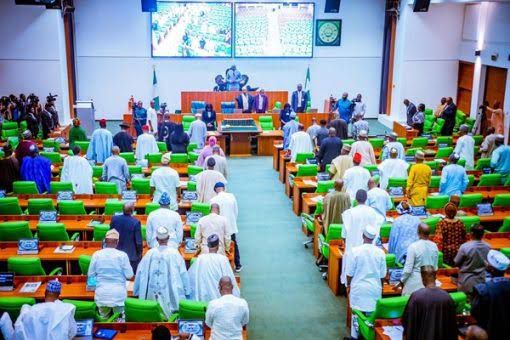
US Embassy Abuja Visa Appointments Cancelled Over Iran Conflict Tensions
The United States government has suspended all visa interviews scheduled at its Abuja mission following security concerns tied to escalating tensions between Washington and Tehran.
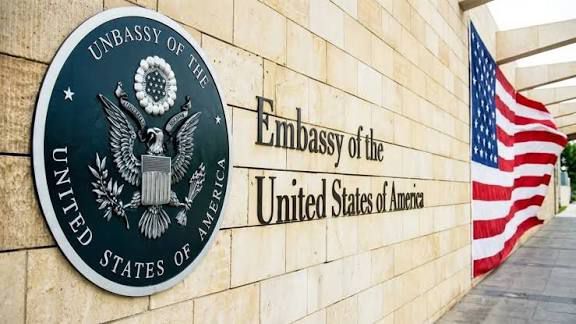
In a security advisory released on Wednesday, the US Embassy Abuja visa appointments cancelled decision was attributed to a “high potential for protests” in Nigeria’s Federal Capital Territory. The move comes amid intensifying hostilities linked to the ongoing conflict between the United States and Iran.
The notice urged American citizens residing in Abuja to remain indoors and avoid public gatherings, citing intelligence assessments that demonstrations could erupt in response to developments in the Middle East.
Security Advisory and Precautionary Measures
In its official communication, the United States Embassy in Nigeria said previous protest actions in Abuja had, in some instances, led to clashes with local security agencies. As a precaution, the embassy suspended visa services for the day while maintaining that other consular functions would continue.
Applicants affected by the disruption were informed that they would receive guidance on how to reschedule their appointments. The mission advised visa seekers to monitor its official website and verified social media channels for updates.
Although the US Embassy Abuja visa appointments cancelled directive affects only one day’s operations for now, officials signalled that further adjustments could be made depending on evolving security conditions.
The advisory also directed American nationals in Nigeria to stay alert, avoid large crowds, keep communication devices charged, and carry valid identification at all times.
Escalating Global Tensions
The embassy’s decision follows reports from Iranian media confirming the death of Iran’s Supreme Leader, Ali Khamenei, in airstrikes allegedly carried out by U.S. and Israeli forces.
The reported killing has significantly intensified the geopolitical crisis, prompting retaliatory missile launches targeting American military installations in Gulf states.
The United States Department of State had earlier issued a global caution advisory, urging citizens worldwide—particularly those in the Middle East—to exercise heightened vigilance.
The advisory referenced the launch of U.S. combat operations in Iran and warned of potential travel disruptions linked to airspace closures and regional instability. Officials also encouraged enrollment in the Smart Traveler Enrollment Program (STEP) to receive timely security updates.
Impact in Nigeria
In Nigeria, the fallout from the Middle East conflict has begun to manifest in public reactions. Members of the Islamic Movement in Nigeria, commonly referred to as Shi’ites, staged demonstrations in parts of the country, condemning the reported killing of Khamenei.
Security analysts note that Abuja, as the nation’s political capital and host to diplomatic missions, is particularly sensitive during periods of international tension.
The US Embassy Abuja visa appointments cancelled measure reflects a risk-mitigation approach aimed at preventing potential exposure of applicants and staff to unrest.
While the embassy in Abuja paused visa services, the United States Consulate General Lagos confirmed that operations in Lagos remain open, underscoring that the precautionary measure is geographically limited.
Broader Diplomatic Implications
Diplomatic observers say the temporary suspension of visa interviews underscores how global conflicts can have immediate ripple effects far beyond their geographic epicentres.
Visa services often serve as a visible interface between foreign missions and host country nationals. The US Embassy Abuja visa appointments cancelled announcement therefore carries both practical and symbolic weight, reflecting the seriousness with which security advisories are treated.
Experts point out that embassies routinely adjust operations based on risk assessments, especially when protests are anticipated.
Such measures are not uncommon during periods of political tension, but they can disrupt travel plans, academic schedules, and business engagements for affected applicants.
The embassy reiterated that emergency consular assistance remains available and advised U.S. citizens to contact official channels if urgent needs arise.
Travel and Economic Concerns
Beyond diplomatic circles, the escalating U.S.–Iran confrontation has triggered broader economic anxieties. Global oil markets have shown signs of volatility, while airlines in parts of the Middle East have altered flight routes to avoid potentially unsafe airspace.
Industry watchers caution that prolonged instability could strain supply chains and investor confidence, particularly in energy-dependent economies.
For Nigeria, Africa’s largest oil producer, geopolitical shifts in the Middle East often carry indirect fiscal implications. Although the embassy’s visa suspension is temporary, analysts suggest that sustained global tensions may influence bilateral engagements and travel flows in the coming weeks.
Monitoring the Situation
The US Embassy Abuja visa appointments cancelled notice emphasised the importance of vigilance and situational awareness. American citizens were urged to monitor local news outlets, avoid protest areas, and familiarise themselves with emergency exit routes in public spaces.
Officials have not indicated whether additional restrictions are under consideration, but they stressed that updates would be issued as developments unfold.
As the U.S.–Iran conflict enters a critical phase, diplomatic missions worldwide are reassessing security postures. In Abuja, the immediate priority remains safeguarding personnel and citizens while maintaining essential consular services.
For visa applicants and American residents alike, the coming days will determine whether operations return to normal or if further precautions become necessary amid the evolving geopolitical landscape.
About The Author