Reps demand fresh submissions over pre-shipment inspection probe
The House of Representatives has intensified its investigation into Nigeria’s export value chain, directing key government institutions to provide fresh and comprehensive documentation on their roles in the country’s pre-shipment inspection regime.
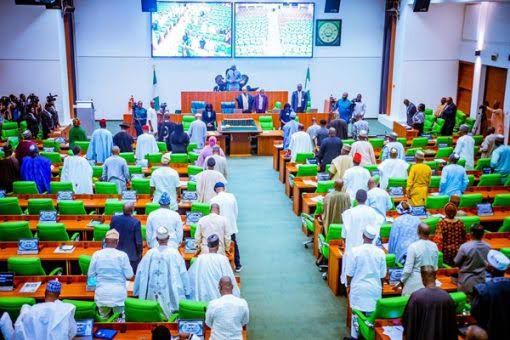
At a resumed hearing in Abuja on Wednesday, the Ad-hoc Committee probing pre-shipment inspection of exports and the non-remittance of crude oil proceeds said earlier submissions by agencies were either incomplete or outdated.
The panel subsequently mandated new filings from the Nigeria Customs Service, the Central Bank of Nigeria, the Nigerian Ports Authority and the Nigerian Association of Chambers of Commerce, Industry, Mines and Agriculture.
Chairman of the committee, Hon. Seyi Sowunmi, described the review of the pre-shipment inspection framework as critical to blocking revenue leakages and restoring public confidence in the management of export proceeds.
The ongoing probe follows a resolution of the House to examine persistent allegations surrounding weak oversight, under-remittance and procedural gaps in the handling of crude oil export earnings.
Lawmakers have expressed concern that lapses within the pre-shipment inspection architecture may have created vulnerabilities in both oil and non-oil export transactions.
Agencies defend statutory mandates
During the session, representatives of the affected institutions outlined their statutory responsibilities, distancing themselves from any direct role in revenue collection while emphasising compliance with existing laws governing pre-shipment inspection.
The Deputy Comptroller-General of the Nigeria Customs Service, Caroline Diagwan, appearing on behalf of Comptroller-General Bashir Adeniyi, stated that the Service operates strictly within the confines of its establishing Act and related regulations.
She explained that Customs’ role in the pre-shipment inspection process is largely verification-based. According to her, exporters are required to process the Nigeria Export Proceeds (NXP) Form electronically and obtain relevant inspection certificates and export permits before shipment.
“Our responsibility is to ensure that documentation aligns with the goods physically presented for export,” she told the committee. “We conduct examinations and physical inspections where necessary, but we do not determine or collect export proceeds.”
Diagwan stressed that Customs relies on electronic data transmitted through the banking system and does not receive manual submissions from the apex bank.
She added that export operations occur under designated commands, including oil and gas terminals in Port Harcourt as well as other commands in Edo and Delta states, with periodic returns submitted to headquarters.
Similarly, a Director at the Central Bank of Nigeria, Dr. Musa Nakurji, representing Governor Yemi Cardoso, clarified the bank’s administrative role under the Pre-Shipment Inspection Act of 1992.
He noted that while the CBN coordinates export documentation through automated platforms, it does not appoint pre-inspection agents. Instead, the bank oversees the electronic processing of export proceeds through its trade monitoring systems.
“The entire NXP process is automated,” Nakurji said. “Customs accesses the platform directly. In terms of pre-shipment inspection, agents are required to verify quantity, quality and value before issuing the relevant inspection certification.”
He further explained that the Clean Certificate of Inspection serves as confirmation that goods meet stipulated requirements prior to export, forming a critical compliance layer within the pre-shipment inspection regime.
Ports authority, NACCIMA clarify roles
For its part, the Nigerian Ports Authority said its responsibilities are confined to port operations and terminal oversight. Represented by its General Manager, Tariff, Ibrahim Lukman, the authority explained that it appoints operational agents at export terminals who transmit data to the agency in line with statutory provisions.
Lukman emphasised that the NPA collaborates with other government bodies but does not engage in financial reconciliation of export proceeds.
Meanwhile, the Nigerian Association of Chambers of Commerce, Industry, Mines and Agriculture clarified that it plays no role in crude oil exports.
According to its Director, Dr. Emmanuel Akeh, the association’s involvement is limited to issuing certificates of origin for non-oil exports to authenticate the source and legitimacy of goods.
Akeh maintained that NACCIMA’s certification function is trade-facilitative and does not intersect with fiscal management or revenue remittance.
Revenue accountability at the core
Despite the explanations offered, members of the committee signalled dissatisfaction with the depth and currency of the submissions presented.
Sowunmi reiterated that the investigation into pre-shipment inspection is anchored on ensuring that every dollar earned from exports is duly accounted for in the Federation Account.
“Revenue leakages undermine national development,” he said. “This inquiry is about accountability and institutional clarity. We must determine whether there are overlaps, loopholes or systemic weaknesses within the pre-shipment inspection structure.”
The lawmaker linked the probe to the broader fiscal reform agenda of the Federal Government, particularly efforts aimed at improving transparency in the oil sector.
Industry analysts note that Nigeria’s export value chain involves multiple agencies with intersecting mandates, often creating grey areas in enforcement and monitoring. The committee is expected to scrutinise whether such overlaps have contributed to alleged under-remittance of crude oil proceeds.
Stakeholders have been assured that new dates will be communicated for further appearances. The panel insisted that all requested documents must be submitted promptly to facilitate a comprehensive assessment of the pre-shipment inspection framework.
As the investigation progresses, attention will remain fixed on whether procedural reforms, legislative amendments or enhanced inter-agency coordination will emerge as solutions to longstanding concerns over export revenue management.