


A Chilling Turn in the US Blockade of Iran Ports
The US blockade of Iran ports has entered a far more dangerous phase after Donald Trump warned that any vessel approaching restricted waters would be “eliminated” instantly.
The escalation comes amid reports of expanding US naval operations across key Iranian maritime zones, including strategic areas near Bandar Abbas, Kharg Island, and the heavily monitored Strait of Hormuz.
Trump claimed that US forces have already “obliterated” 158 Iranian vessels, describing the Iranian navy as “laying at the bottom of the sea,” a statement both triumphant and deeply tragic.
“Quick and Brutal”: A New Level of Naval Aggression
A Doctrine Built on Immediate Force
Trump’s declaration signals a shift toward rapid, uncompromising enforcement of the US blockade of Iran ports, with military engagement described as immediate and decisive.
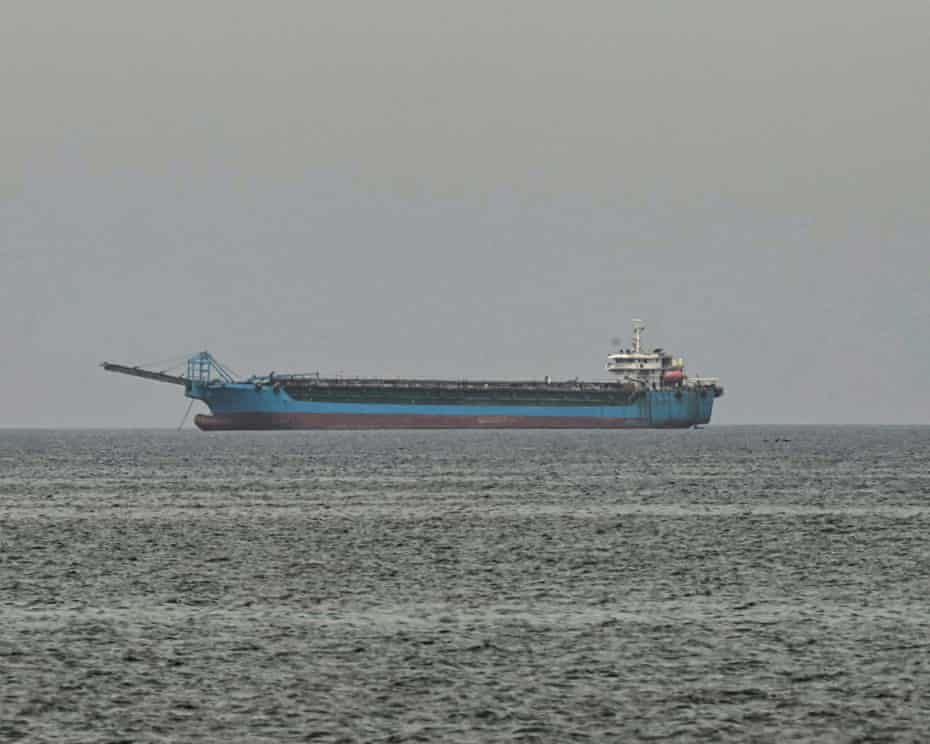
“It is quick and brutal,” he wrote, referring to a “system of kill” reportedly used in maritime interdictions. Analysts suggest this may involve precision drone strikes, naval gun systems, and real-time surveillance targeting.
Recent defence estimates indicate that over 60% of Iran’s smaller patrol vessels operate within fast-response zones, increasing the risk of sudden and deadly encounters in confined waters.
Strategic Flashpoints: Bandar Abbas, Kharg Island, and Beyond
Where Conflict Could Ignite Instantly
Geographical pressure points are central to the unfolding US Iran military tension, particularly around Iran’s primary naval hub at Bandar Abbas and the vital oil export terminal at Kharg Island.
Kharg Island alone accounts for a significant portion of Iran’s crude exports, making it both an economic lifeline and a potential flashpoint in the growing Strait of Hormuz crisis.
Any sustained disruption in these area could remove millions of barrels of oil per day from global supply, triggering sharp price spikes and economic instability worldwide.
Iran Navy Destruction Claims Under Scrutiny
Reality or Strategic Messaging?
Trump’s assertion of widespread naval destruction has raised serious questions among analysts tracking Iran navy destruction claims.
While no independent verification confirms the loss of 158 vessels, regional intelligence suggests Iran maintains a dispersed fleet of fast attack craft designed for swarm tactics and rapid redeployment.
Underestimating these assets could prove costly. Historically, smaller, agile vessels have posed significant threats in narrow waterways, particularly in high-pressure environments like the Strait of Hormuz.
Human Cost Beneath the Surface
The Tragedy Hidden in Military Language
Beyond strategy and statistics, the US blockade of Iran ports carries a deeply human toll that is often overshadowed by political rhetoric.
Each vessel lost represents lives — sailors who may never return, families left in uncertainty, and communities burdened with silent grief. The phrase “bottom of the sea” echoes with irreversible loss.
Naval warfare rarely shows its scars publicly, but its consequences are enduring, tragic, and often invisible beneath the surface of geopolitical narratives.
Economic Shockwaves and Global Fallout
Oil Markets on Edge
The intensifying Strait of Hormuz crisis is already sending ripples through global energy markets, with analysts warning that even a partial disruption could push oil prices sharply higher.
Approximately 20% of the world’s oil supply passes through this narrow corridor daily, making any escalation tied to the US blockade of Iran ports a direct threat to global economic stability.
Shipping insurers are also reportedly increasing risk premiums, raising costs for international trade and adding further pressure to already fragile supply chains.
Psychological Warfare and Power Messaging
Language as a Strategic Weapon
The tone of Trump’s statements reflects a calculated Trump Iran naval threat strategy, using stark and forceful language to project dominance and deter resistance.
Words such as “obliterated” and “eliminated” are designed not only to describe action but to shape perception, reinforcing an image of overwhelming control.
However, such rhetoric can also escalate tensions, narrowing diplomatic options and increasing the likelihood of miscalculation in already volatile waters.
A Crisis Without Clear Off-Ramp
Escalation Risks Continue to Grow
The current trajectory of the US Iran military tension raises serious concerns about the absence of a clear path to de-escalation.
Military analysts warn that densely trafficked waters, combined with heightened alert levels, create conditions where a single misstep could trigger a wider and more destructive confrontation.
The risk is no longer hypothetical. It is immediate, evolving, and deeply concerning for global security.
A Defining Moment of Fear and Uncertainty
The US blockade of Iran ports now stands at the centre of a rapidly intensifying global crisis, marked by aggressive warnings, contested claims, and rising human and economic costs.
Trump’s declaration that ships will be “eliminated” signals a hardened stance that leaves little room for hesitation — or recovery from error.
Read also: Russia strikes Kharkiv civilians in latest updates as fresh attacks leave elderly woman critically injured
What unfolds next could shape not only regional stability but the broader trajectory of global peace, as the world watches standoff edge closer to irreversible tragedy.
Read more: www.ireport247news.com
About The Author
